

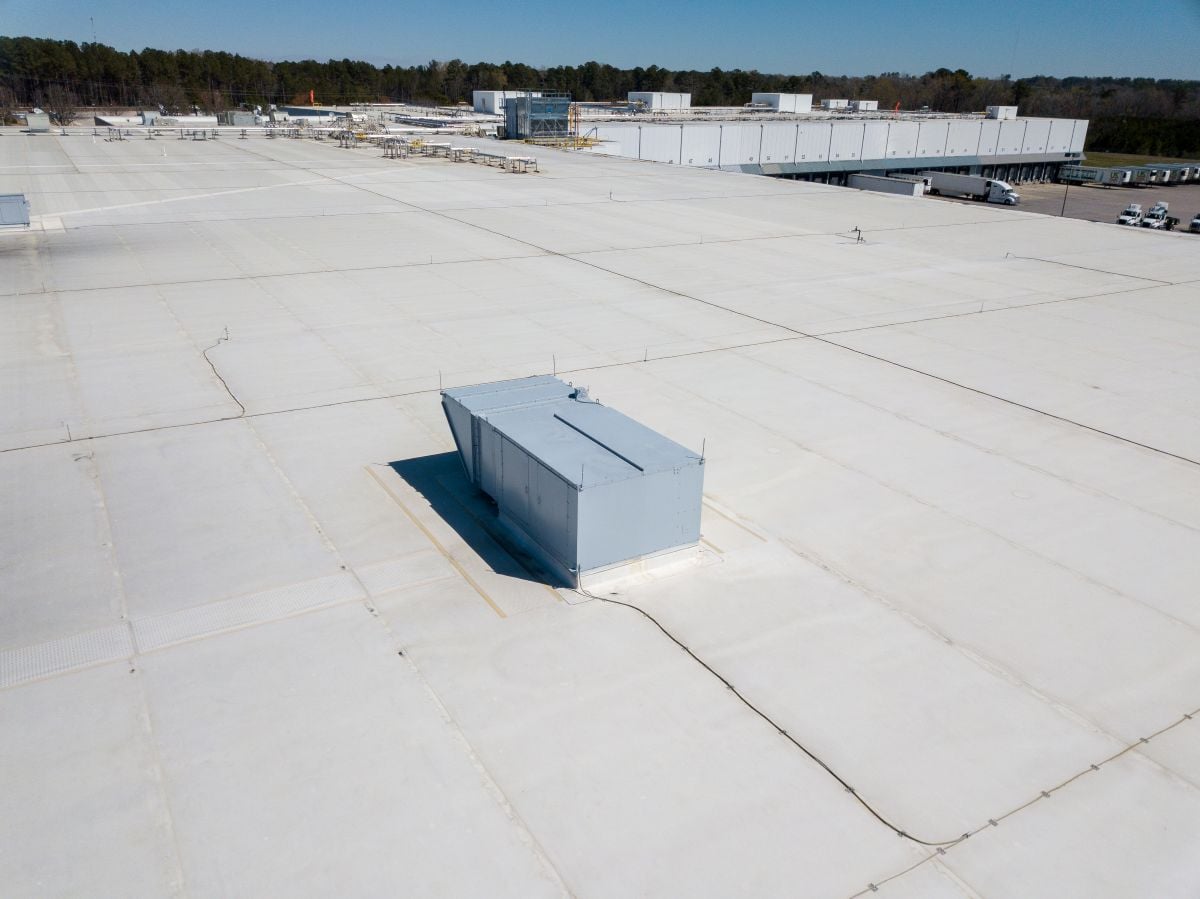
The TPO vs EPDM roofing decision is one of the most important choices commercial property owners face when planning a new flat roof installation or replacement. Both are leading single-ply membrane systems used on commercial buildings across the country, and each offers a unique mix of performance, durability, and value. Understanding how TPO roofing and EPDM roofing compare will help you choose the right commercial roofing system for your building, climate, and long-term goals.
- Material composition: TPO and EPDM are made from very different chemistry, which affects performance.
- Installation method: TPO seams are heat-welded, while EPDM seams are typically adhesive-bonded.
- Cost and lifespan: Both commercial roofing systems offer strong value, but their pricing and life expectancy differ.
Why TPO and EPDM Are the Most Common Single-Ply Roofing Options
TPO and EPDM dominate the single-ply commercial roofing market for good reason. Both have decades of proven performance on flat and low-slope roofs, and both offer dependable protection at a reasonable cost compared to other commercial roofing systems.
A Quick Overview of TPO Roofing
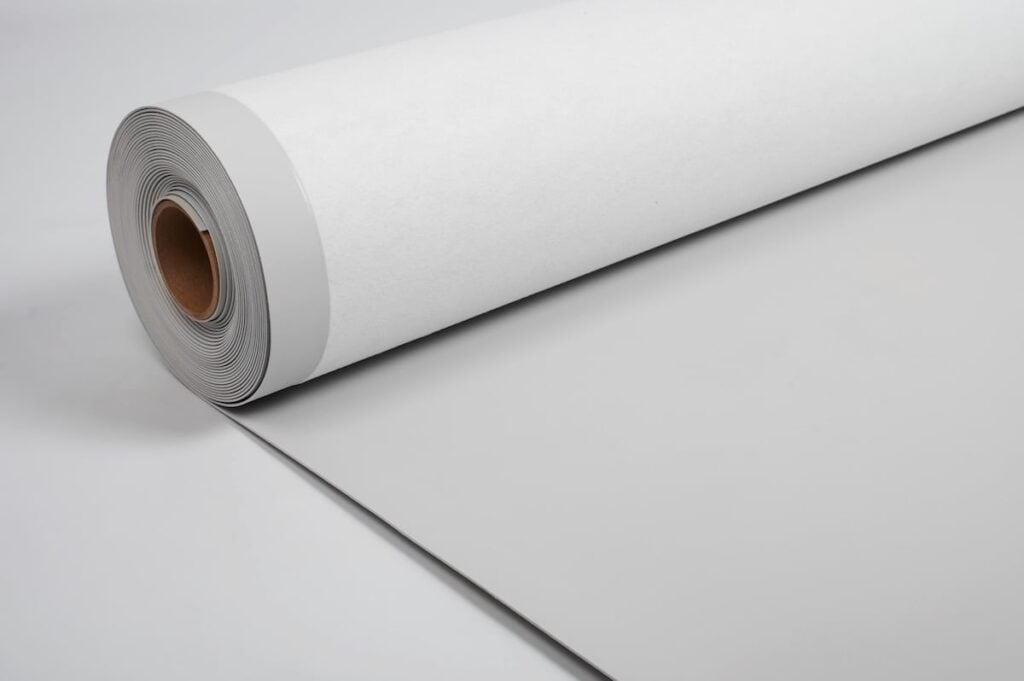
TPO roofing is a thermoplastic polyolefin single-ply membrane that has become one of the most popular commercial roofing systems in recent years. Its reflective white surface, energy efficiency, and competitive pricing make it a top choice for warehouses, office buildings, and retail centers. TPO roofs typically install quickly using hot-air welded seams, which create a strong, watertight bond across the membrane.
- Reflective surface: TPO roofing reflects sunlight and helps lower cooling costs.
- Welded seams: Heat-welded seams produce a strong, leak-resistant bond.
- Energy efficiency: TPO is often classified as a cool roofing system.
A Quick Overview of EPDM Roofing
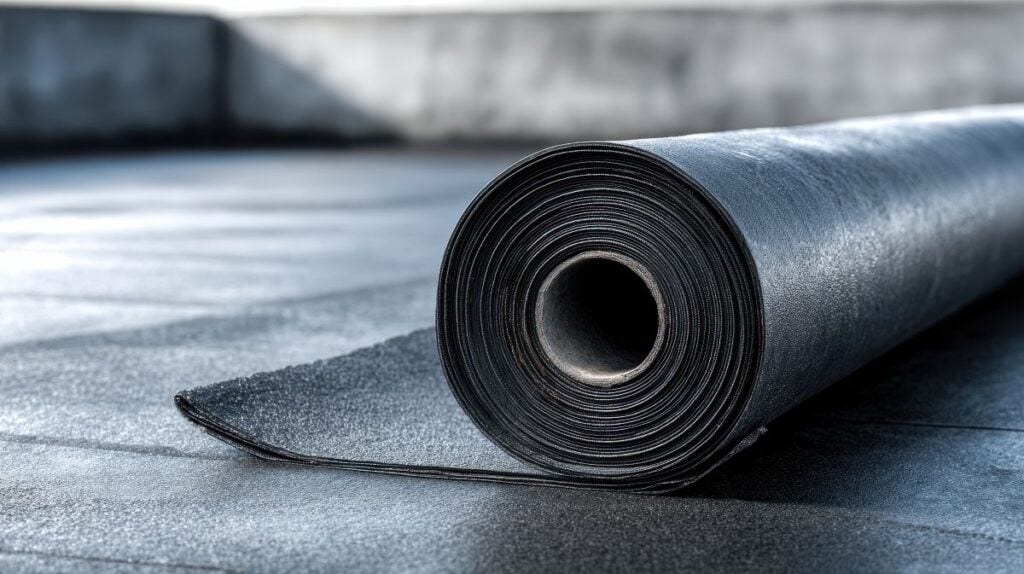
EPDM roofing is a synthetic rubber single-ply membrane that has protected commercial buildings for more than 50 years. Known for its flexibility and weather resistance, EPDM is especially popular on flat roofs in cold climates such as Minnesota and Wisconsin. The membrane is available in large sheets, which reduces the number of seams and creates fewer opportunities for leaks over the life of the roof.
- Rubber membrane: EPDM is a proven rubber roofing material with decades of field performance.
- Cold-weather strength: EPDM stays flexible in low temperatures without cracking.
- Long sheet sizes: Large rolls reduce seams and simplify installation.
6 Key Differences Between TPO and EPDM Roofing
Choosing between TPO and EPDM roofing comes down to understanding how each commercial roofing system performs across the factors that matter most. Below are the six most important differences to consider before making a final decision on your flat roof project.
- Material and chemistry: TPO is a thermoplastic polyolefin membrane that combines polypropylene and ethylene-propylene rubber, while EPDM is a synthetic rubber made from ethylene, propylene, and diene monomer. This basic chemistry difference affects how each commercial roofing membrane responds to heat, UV, and chemical exposure. TPO is engineered for reflectivity and weldability, while EPDM is built for flexibility and long-term elasticity. Both materials are proven on commercial buildings, but they perform best in different conditions.
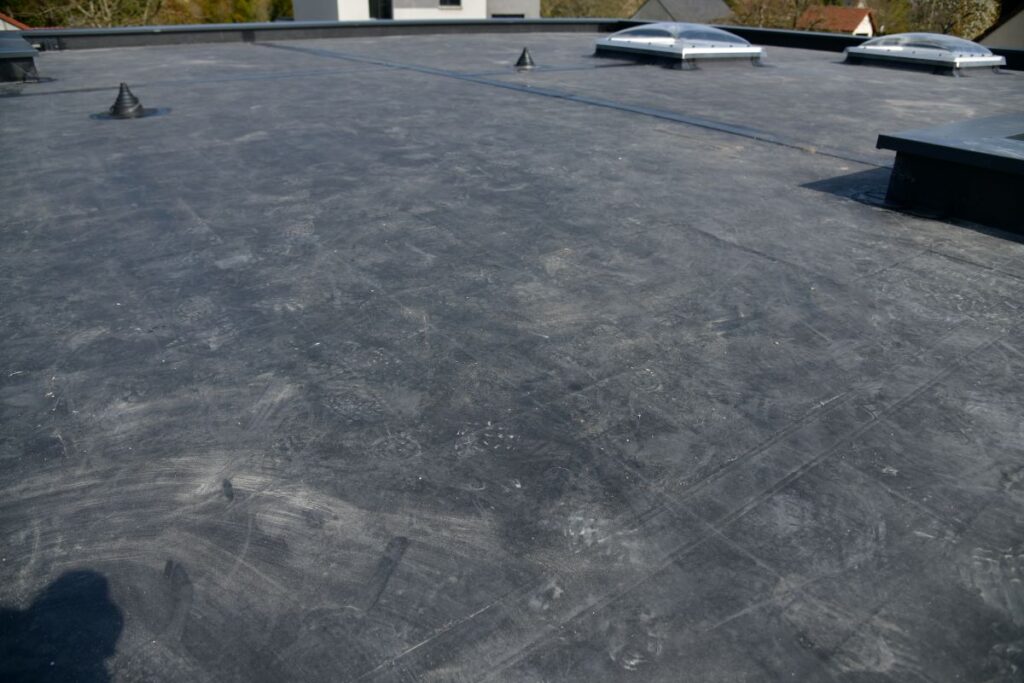
- Color and energy efficiency: TPO roofing is most commonly installed in white, which reflects sunlight and lowers cooling demand inside the building. EPDM roofing is typically installed in black, which absorbs heat and can help reduce heating costs in colder climates. White TPO is often the preferred choice for warm climates or buildings with significant cooling loads. Black EPDM can be a smart commercial roofing option for properties in northern climates where heat retention provides a benefit.
- Seam strength and installation: TPO seams are heat-welded with a hot-air gun, which fuses the membrane together into a single continuous surface. EPDM seams are usually joined with adhesive tape or liquid bonding agents, which create a strong but slightly different type of seal. Welded TPO seams are often considered stronger over time, while modern EPDM seam tapes have improved significantly. The right installation method depends on the building, the contractor, and the roof design.
- Durability and lifespan: Both commercial roofing systems offer strong durability, but their lifespans differ slightly depending on installation quality and climate. TPO roofs typically last 20 to 30 years with proper maintenance and inspection. EPDM roofs often last 25 to 30 years, with some installations performing well beyond that range. Hail, foot traffic, and UV exposure all influence the long-term performance of both systems.
- Cost and value: TPO and EPDM are both cost-effective single-ply commercial roofing options, but their pricing varies based on thickness, accessories, and installation method. EPDM tends to have a slightly lower material cost, while TPO can offer better long-term value through energy savings. Both systems are typically less expensive than PVC or metal roofing. The right choice depends on your upfront budget and your long-term performance goals.
- Resistance to weather and chemicals: TPO roofing offers strong resistance to UV exposure, chemical spills, and grease, which makes it a good choice for restaurants and industrial buildings. EPDM roofing performs exceptionally well in extreme temperature swings, hail, and high wind, which makes it a strong fit for Midwest weather. Each commercial roofing system has clear strengths depending on building use and climate. A qualified commercial roofing contractor can help match the right membrane to your conditions.
When TPO Roofing Is the Better Choice
TPO is often the right choice for commercial buildings that prioritize energy efficiency, modern performance, and strong seam strength. Its reflective surface and welded seams make it an excellent option for many flat and low-slope commercial properties.
Best Building Types for TPO
TPO performs especially well on commercial properties where cooling costs, UV exposure, and chemical resistance matter. Many warehouses, office buildings, schools, and retail centers use TPO roofing for its strong balance of cost and long-term performance. The system also installs quickly, which helps minimize disruption during a roof replacement.
- Warehouses and distribution centers: Large flat roofs benefit from TPO’s energy efficiency.
- Retail and office buildings: Reflective TPO helps reduce cooling costs in busy commercial spaces.
- Restaurants: TPO holds up well against grease and chemical exposure.
Climate and Performance Advantages
TPO roofing performs especially well in warm or sunny climates where reflectivity reduces energy costs. The white membrane keeps the surface cooler, lowers indoor temperatures, and reduces strain on HVAC systems. TPO is also a smart commercial roofing option for buildings with strong energy efficiency or sustainability goals because it qualifies as a cool roofing system in many regions.
- Cool roofing benefits: TPO can lower cooling costs by reflecting sunlight.
- Welded seams: Heat-welded seams hold up well under UV exposure.
- Modern performance: TPO continues to improve as manufacturers refine the formula.
When EPDM Roofing Is the Better Choice
EPDM is often the right choice for commercial buildings in colder climates, properties with long roof spans, and owners who want a proven rubber roofing system with decades of field history. Its flexibility and weather resistance make it a strong choice for the upper Midwest.
Best Building Types for EPDM
EPDM works well on a wide range of commercial buildings, especially those located in colder climates or featuring large, simple flat roofs. Its long sheet sizes reduce the number of seams, which can be a major advantage on warehouses and industrial buildings. EPDM is also a strong option for property owners who want a commercial roofing system with a long, established track record.
- Industrial buildings: Large rolls reduce seams on big flat roofs.
- Warehouses: EPDM offers reliable performance with minimal maintenance.
- Cold-climate properties: EPDM stays flexible in low temperatures.
Climate and Performance Advantages
EPDM roofing has long been a top choice for commercial buildings in Minnesota, Wisconsin, and other cold-climate states. The rubber membrane stays flexible in freezing temperatures, resists hail damage, and stands up well against high winds. EPDM is also forgiving during installation, which is helpful for buildings with complex rooftop equipment or irregular layouts.
- Cold weather flexibility: EPDM remains pliable in harsh Midwest winters.
- Hail resistance: The rubber membrane absorbs impact without cracking.
- Long service life: EPDM has a proven track record going back 50 years.
Make the Right TPO vs EPDM Decision With Classic Construction
Choosing between TPO and EPDM roofing is a major decision that affects your commercial property for decades. Both commercial roofing systems offer strong performance, lasting durability, and reliable protection when installed correctly. The right choice depends on your building, your climate, your budget, and your long-term goals, which is why working with an experienced commercial roofing contractor is so important.
At Classic Construction, we specialize in installing TPO, EPDM, and other commercial roofing systems across Minnesota and Wisconsin. Our team brings deep expertise in single-ply membrane roofing, expert craftsmanship, and a commitment to delivering long-term value for every commercial property owner we work with. If you are weighing TPO vs EPDM roofing for your building, contact Classic Construction today to schedule a free roof inspection and get an expert recommendation tailored to your property.


