

Understanding Flat or Low Slope Roofs
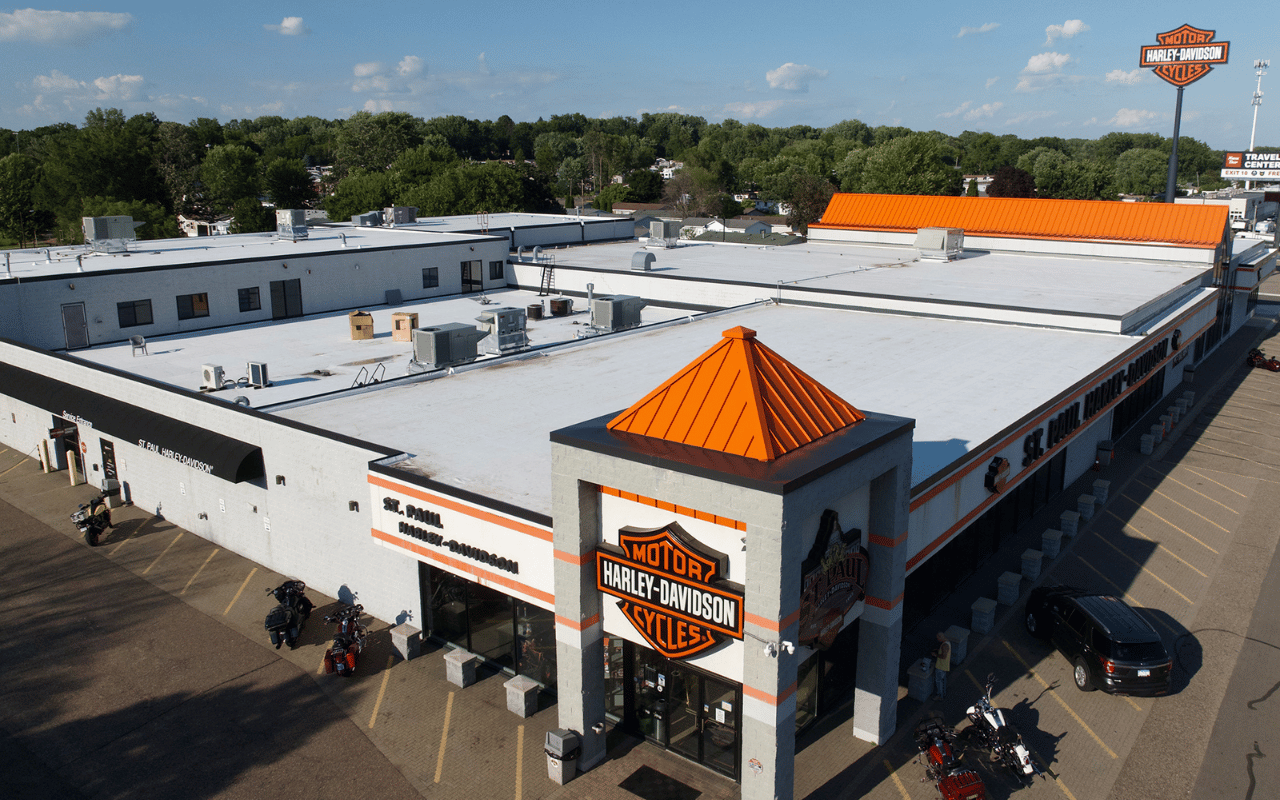
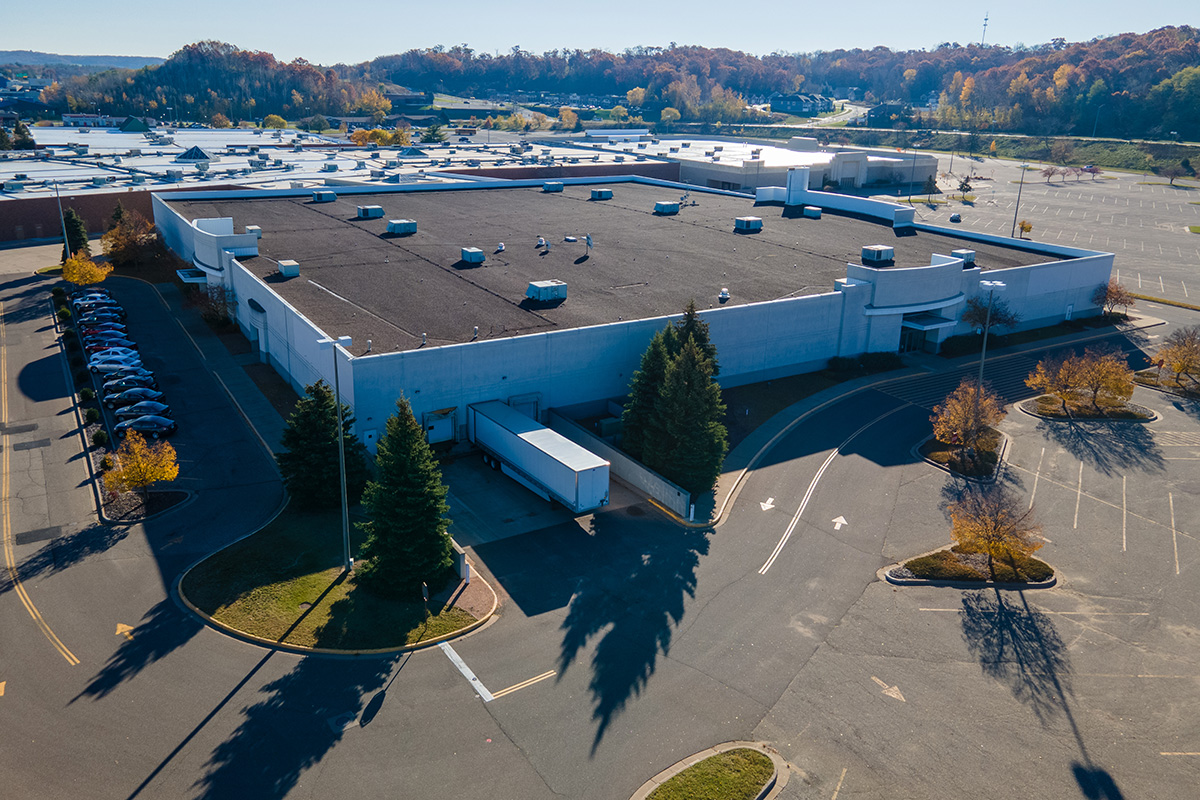
Learning about flat or low-slope roofs is essential for anyone involved in construction, architecture, or exterior home and business services. A flat roof, defined by a pitch of less than 3:12, rises less than three inches for every twelve inches across. This distinctive design offers numerous advantages, but it also comes with important considerations.
One of the key advantages of flat roofs is their innovative design and multifunctional potential. They provide an adaptable space ideal for installing HVAC systems, solar panels, roof gardens, and more. Additionally, their low-slope structure makes maintenance and access much easier compared to traditional steeply pitched roofs.
In roofing terminology, understanding the difference between various roof pitches or slopes is an integral part of your building’s efficiency and aesthetic. Traditional high-pitched roofs that we see in most homes with shingles can shed water better because of gravity. In contrast, flat or low-sloped roofs need sound drainage systems to manage rainwater well.
The prevalence of low-slope roofs in commercial buildings and even agricultural structures is no coincidence. Their practicality, drainage efficiency, and versatility make them a great choice. They are also cost-effective for anyone wanting to invest wisely in their properties. Choosing a low-slope roof means opting for durability and functionality—two key factors that every large building should prioritize.
Types of Flat or Low Slope Roofs
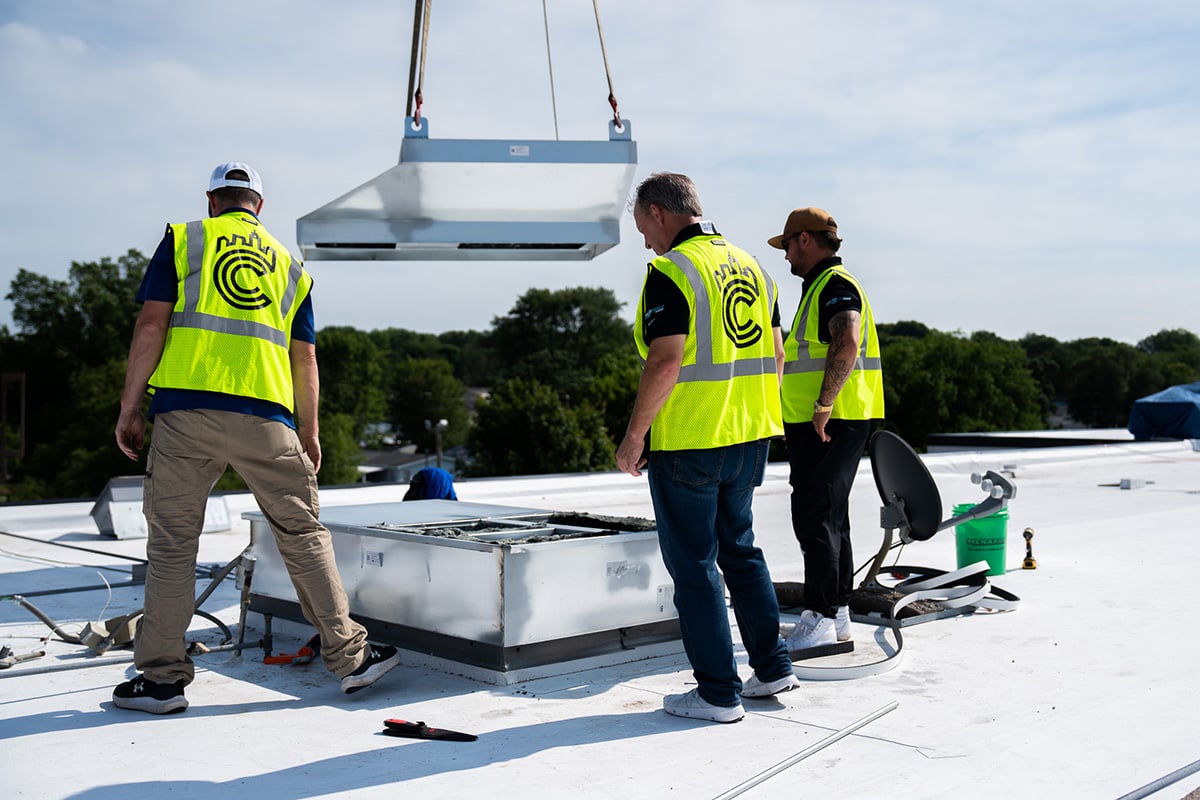
When choosing the best type of roofing system for your building, it is vital to know the different kinds of flat roof applications. Each type offers unique benefits tailored to specific needs, making it crucial to choose wisely.
TPO Roofing
TPO roofing, which stands for Thermoplastic Polyolefin, is a single-ply roofing membrane used primarily on commercial buildings—a popular choice because of its energy efficiency and cost-effectiveness. People know TPO membrane roofs for their reflective qualities. These qualities help lower cooling costs and offer excellent durability against the weather in Minneapolis.
EPDM Roofing
EPDM stands for Ethylene Propylene Diene Monomer, and it is renowned for its longevity and ease of installation. This rubber membrane resists UV radiation and extreme temperatures. This makes it an excellent choice for commercial and residential flat roofs.
Modified Bitumen Roofs
Modified bitumen membrane flat roofs combine traditional asphalt with modern technology, offering enhanced flexibility and resistance to temperature fluctuations. This type is particularly advantageous in areas with severe weather conditions.
Built-Up Roofing (BUR)
A Built-Up Roofing system is a hybrid roofing solution that has multiple layers of bitumen and strong fabrics. Bitumen, also known as asphalt or tar, is a black, viscous, and sticky substance derived from petroleum. These layers create a strong barrier against leaks. Its proven track record makes BUR a reliable choice for low-slope applications. It also has inherent fire resistance.
Gravel is commonly used in BUR roofing for several reasons, primarily for protection and ballast. It protects the roofing material from UV rays, weather damage, and foot traffic. It also adds weight to keep the roof secure and stop strong winds from lifting it.
Custom Metal Roofs
For those looking for aesthetics alongside functionality, custom metal roofs provide a sleek appearance while ensuring exceptional durability and are non-combustible. They can also support solar panels seamlessly, allowing homeowners to harness renewable energy without compromising on style.
Each type of flat roof has distinct advantages that cater to different requirements. By understanding these flat roofing options, you can make an informed decision that enhances your property’s value.
The Pros of Having a Flat or Low Slope Roof
Flat roofs offer many benefits for new and old buildings in Minnesota and Wisconsin. They are handy for commercial roofs like retail stores, shopping centers, multi-unit complexes, schools, churches, and agricultural buildings.
One of the most compelling reasons to consider flat roofs is their energy efficiency benefits. With sound insulation and reflective materials, flat roofs can lower heating and cooling costs. This makes a low-pitch roof a wise choice for any building and is important in Minnesota’s changing climate.
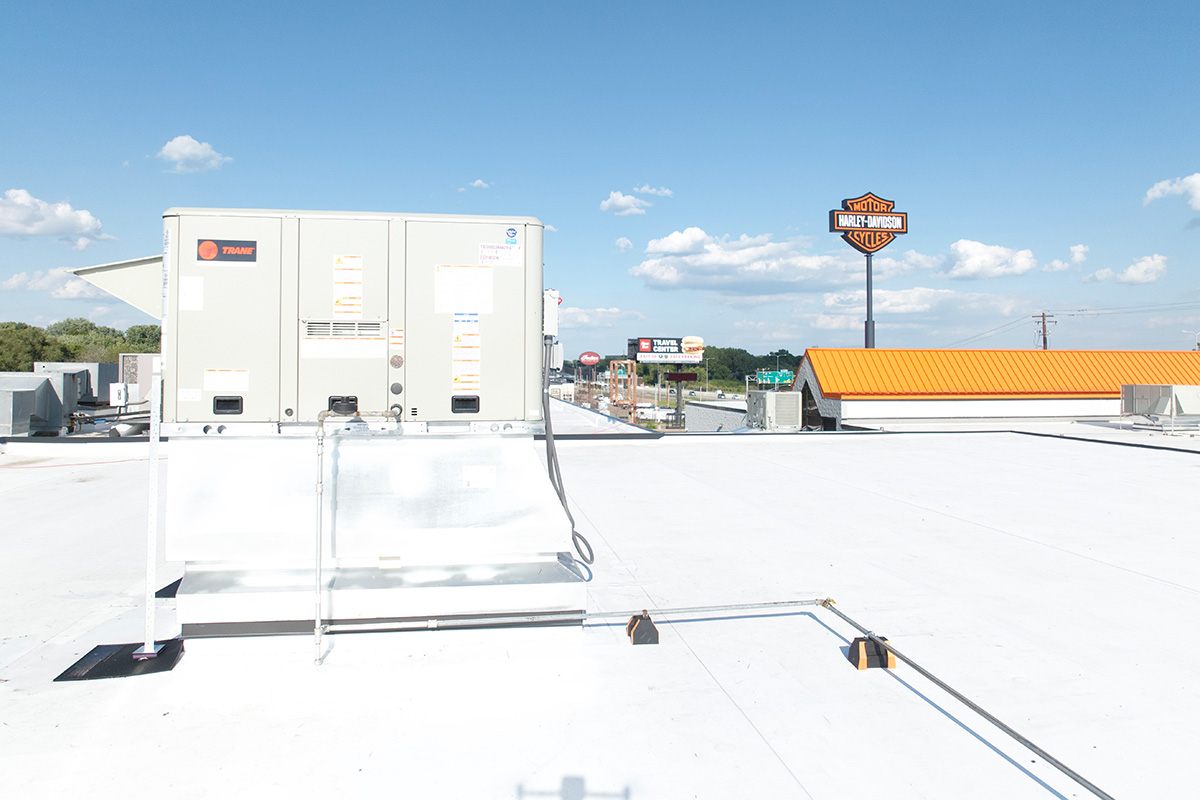
These roofs are great for HVAC systems or solar panels. They also allow for rooftop gardens or recreational spaces. This trend is becoming more popular in urban areas like the Twin Cities. This roofing not only maximizes usable space but also enhances the aesthetic appeal of your property.
When looking for cost-effective options for Minnesota’s climate, flat roofs are a good choice. They often have lower installation costs than pitched roofs. This affordability makes them a good choice for businesses. They can invest wisely in long-term infrastructure without losing quality or performance.
Common Issues with Flat or Low Slope Roofs in Wisconsin & Minnesota
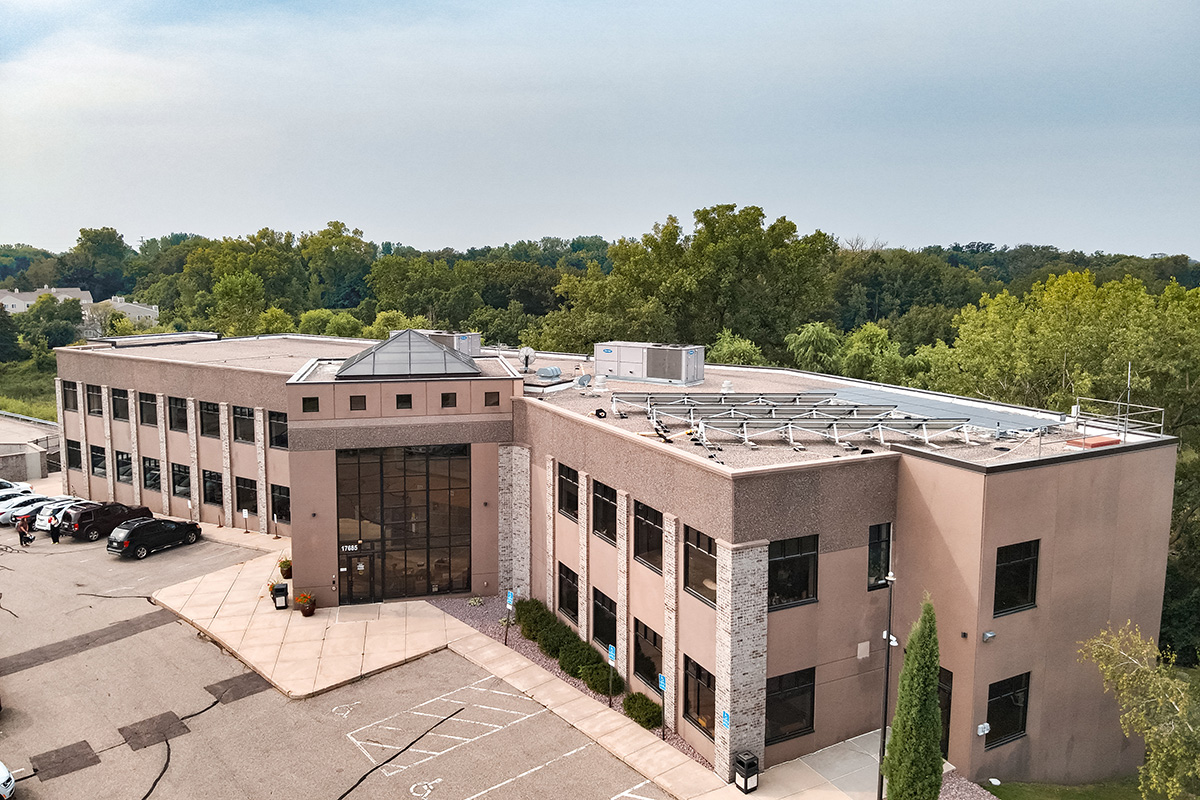
One primary concern with flat roofs is drainage issues—especially in areas prone to snow accumulation like Minnesota and Wisconsin. Poor drainage can lead to water pooling on the roof surface during thawing periods or heavy rains. This situation increases the potential for leaks and water damage over time if not correctly installed and managed.
Flat roofs can offer many benefits for buildings. However, it is crucial to think about maintenance plans to reduce these risks. Home and business owners in Minnesota with flat or low-slope roofs should be aware of common issues. These problems can lead to significant issues if unaddressed.
Ice Dams
One of the primary concerns is ice damming during the winter months in Wisconsin and Minnesota. As snow builds up and melts, water can become trapped at the eaves. This water buildup can cause moisture to seep into your roof and structure.
To keep the roof in good shape, make sure it is well insulated and ventilated. Also, remove snow and ask about different ice dam prevention systems.
Storm Damage & Wear
Wear and tear on roofing materials is an inevitable result of Minnesota’s harsh climate. The constant freeze-thaw cycles can worsen flat roof problems, and hail, heavy rain, and wind can cause storm damage, including cracks and tears that undermine your roof’s integrity. Flat roof cracks and tears will eventually allow water to leak in. They also lead to more damage to the roof membrane.
Separated or Exposed Roof Layers
Another issue to be mindful of is separated or exposed layers within your roofing system. A single separated membrane can cause a lot of headaches. These separations can cause UV damage over time. Unprotected areas become weak against sun exposure, leading to faster deterioration.
If you see any signs of damage to the roof membrane, like bubbling or blistering, it’s essential to fix these issues quickly. This will help prevent expensive repairs later.
Buckling or Pooling Water on Roof
The roofing membrane may buckle, especially in areas where water collects or temperatures vary. Flat roofs require proper drainage to prevent water buildup, which can lead to leaks and structural harm.
By knowing about these potential problems with flat roofs in Minnesota, you can take steps to keep your home strong and lasting. Regular inspections and quick repairs will save you money over time.
Low-Pitched Roof Maintenance Tips: Keeping Your Investment Safe
Keeping a low-pitched roof in good shape is important for protecting your investment. It also helps your property last longer. One key part of maintenance is checking your flat roof often. Make sure it is clear of debris and free from damage. Clogged gutters from debris can lead to water pooling and damage, so it’s vital to keep them clear.
Additionally, addressing minor repairs promptly can prevent small problems from becoming major headaches down the line. Whether it’s a cracked membrane or a small leak, acting early will save you time and money. Don’t overlook the importance of professional maintenance services. The maintenance checklist for a flat roof can feel overwhelming for business owners.
Experts in roof care have the knowledge and tools necessary to perform thorough inspections and address any concerns efficiently. By investing in these services, you protect your property and increase its value. Flat roofs are not easy to install or do yourself. Keep your low-pitched roof in top shape with these simple yet effective maintenance tips!
Looking for Flat Roof Maintenance or Replacement?
When it comes to flat roofs, Classic Construction knows that our Classic Club Service is your trusted choice. We help maintain the value of your commercial and residential properties.
At Classic Construction, we know that a strong exterior is important for your property. We have been working in Minnesota and Wisconsin for many years. We use only the best roofing materials and take pride in our craftsmanship and reputation. Comprehensive commercial exterior services extend beyond just roofing; we also specialize in siding, windows, and essential structural elements.
By choosing to work with us for your flat roof replacement or maintenance, you support quality work and local business. This choice helps preserve the life and appearance of your building and our community. Let us help you enhance and protect your investment with our dedicated services. Let’s get started today.


