

Opening a letter saying the insurance company denied your roof claim can feel like a door slamming shut, especially when you know the damage is real. The good news is that a roof insurance claim denied once isn’t always the end of the story. Many denials come down to missing information, unclear documentation, or a disagreement about what caused the damage. If you’re working on restoring your roof after a damaging storm, knowing how to respond to a denial can help you move forward with confidence.
Here’s a quick rundown of what’s ahead:
- Seven steps to take after a denial
- Common reasons roof claims get denied
- Your options for challenging the decision
- How to avoid problems on future claims
Why a Denial Doesn’t Have to Be the Final Word
Insurance companies make decisions based on the information in front of them, and that information isn’t always complete. The insurance company’s adjuster may have missed hidden damage, misjudged whether a covered event occurred, or relied on photos that didn’t tell the full story. For homeowners in Denver and surrounding areas, where hail damage and wind roof damage claims are common, learning to avoid common roof claim pitfalls and respond to a denial the right way can make a real difference.
Here’s why it pays to push back thoughtfully:
- You may be owed coverage: If the damage came from a covered peril, you have every right to ask the insurer to revisit the insurance company’s initial decision.
- Repairs can’t wait forever: A damaged roof only gets worse over time, and a successful appeal can help you fix it before leaks spread.
- Better documentation helps: A second inspection with stronger evidence often gives the insurer a clearer picture than the first inspection did.
- Knowing your rights protects you: Understanding the appeal process keeps you from walking away from a claim that deserves a fair settlement.
A denial is a decision, not a final verdict. With the right approach, many homeowners are able to get roof damage insurance claims reconsidered and their roofs repaired.
7 Steps to Take After Your Roof Claim Is Denied
If your claim was denied, you may be wondering, now what? Responding to an insurance claim denial works best when you stay calm, organized, and methodical. These steps help you understand what went wrong and build a stronger case for reconsideration.
1. Read the Denial Letter Carefully
Most insurance companies must explain why your claim was denied. Look for the specific reason and any policy language they cite, since this tells you exactly what you need to address.
- Note the reason given for the denial
- Highlight the policy sections referenced
- Check for any deadlines to respond or appeal
2. Review Your Insurance Policy
Compare the denial reason with your homeowners insurance policy, including any coverage limits. Sometimes the language is open to interpretation, and you may find that the damage falls under coverage the insurer overlooked. If something is unclear, ask your agent to explain how the language applies to your damage.
3. Request the Adjuster’s Report
Ask for a copy of the adjuster’s report, photos, and estimate. Reviewing the insurance adjuster’s assessment helps you see what was documented, what was missed, and where your evidence may need to be stronger.
4. Get an Independent Roof Inspection
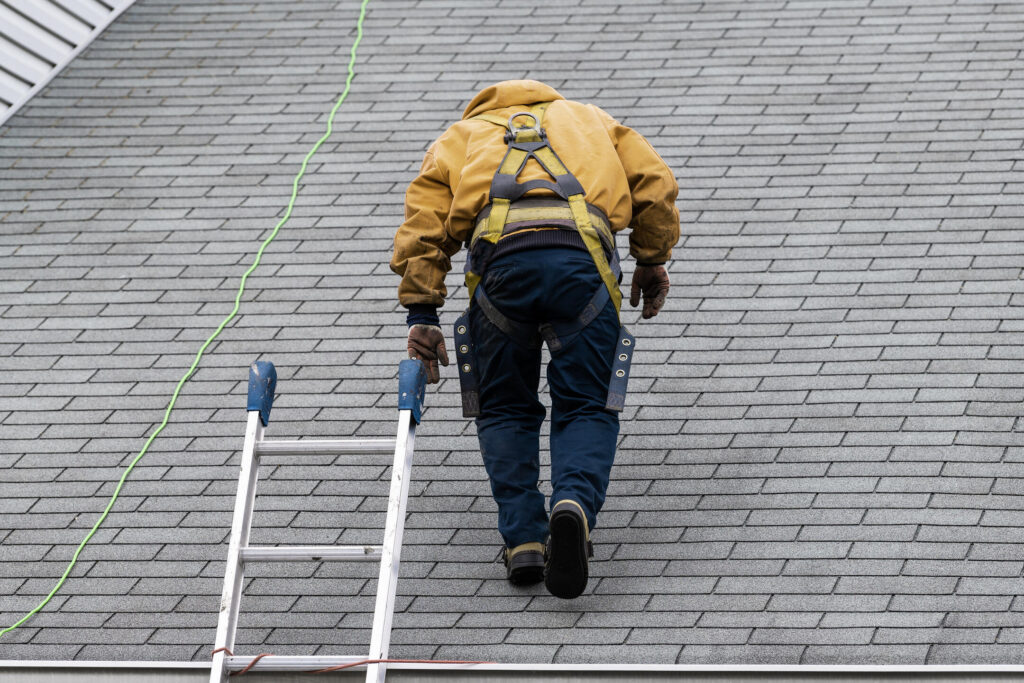
A knowledgeable roofing contractor can get your roof inspected and give you a second opinion. Their inspection reports may uncover damage the adjuster didn’t record or clarify the true cause of the problem.
- Ask for detailed photos with dates
- Request a written report of the damage
- Make sure the report explains the likely cause and the roof’s age

5. Gather Additional Evidence
The more proof you have, the stronger your appeal will be. Gather evidence that connects the damage to a specific weather event.
- National Weather Service data showing hail or high winds on the date of loss
- Reports of nearby homes damaged in the same storm
- Before and after photos of your roof
- Maintenance records and receipts for emergency repairs
6. Submit a Written Appeal
Write a formal appeal letter asking the insurer to reconsider. Include your claim number, explain why you disagree, and attach your supporting documents. Keep copies of everything you send and note the date. Stick to the facts and avoid emotional language, since a calm, organized letter is easier for the insurer to review.
7. Escalate if Needed
If your appeal doesn’t succeed, you still have options. You can request a reinspection, invoke your policy’s appraisal clause, file a complaint with your state’s insurance department, or consult a public adjuster or an attorney if legal action becomes necessary. Each option has different costs and timelines, which are compared later in this guide.
Following these steps in order helps you build a clear, well-documented case. Even if the first appeal doesn’t work, the evidence you gather will support every option that comes after it.
Common Reasons Roof Claims Get Denied
Understanding why insurers deny roof damage claims can help you spot weaknesses in your own claim. Some of these issues can be corrected with better documentation, while others point to gaps in coverage.
- Wear and tear: Insurers may decide the damage came from normal wear or normal aging rather than a storm, which typically isn’t covered.
- Lack of maintenance: Signs of neglect, like clogged gutters or long-ignored leaks, can lead to a denial.
- Late filing: Many policies require claims within a set time after the storm, so waiting too long can cause problems.
- Insufficient evidence: Without clear photos and reports, it’s harder to prove a covered event occurred.
- Cosmetic damage exclusions: Some policies don’t cover dents or marks that don’t affect how the roof performs.
- Pre-existing damage: If the insurer believes the damage happened before your policy started, they may refuse coverage.
- Improper installation: Problems caused by poor workmanship or defective roofing materials are generally not covered.
- Payout disagreements: Some claims aren’t fully denied but are paid at actual cash value, which is replacement cost minus depreciation, instead of replacement cost value. Knowing which one your policy uses helps you spot an unfair payout.
If your denial falls into one of these categories, focus your appeal on evidence that addresses that specific reason. A targeted response is far more effective than a general request to reconsider.
Comparing Your Options to Challenge a Denial
Not every denied insurance claim calls for the same response. The right path depends on the size of your claim, the reason for the denial, and how much time and money you’re willing to invest.
| Option | How It Works | Best For |
| Written appeal | You submit evidence and request reconsideration | Most denials, as a first step |
| Reinspection | A new adjuster reviews the damage | Claims where damage may have been missed |
| Appraisal clause | Each side hires an appraiser, with an umpire to resolve disputes | Disagreements over the amount of loss |
| State insurance complaint | Regulators review how the insurer handled your claim | Suspected unfair or delayed handling |
| Public adjuster | A licensed professional negotiates for you | Large or complex claims |
| Attorney | Legal advice or legal action in serious insurance disputes | Suspected bad faith or major losses |
Protecting Yourself on Future Claims
Once you’ve dealt with a denial, it’s worth taking steps to make future claims smoother:
- Schedule regular inspections with a licensed roofing contractor and keep the reports
- Take photos of your roof after installation and once a year
- Report storm damage promptly
- Review your policy each year for changes in insurance coverage
Homeowners in Denver and surrounding areas often find that a professional inspection right after a storm makes all the difference when it’s time to file. Good records today can save you from a frustrating denial tomorrow.
Frequently Asked Questions About a Denied Roof Insurance Claim
A denied claim raises a lot of questions, especially when you’re unsure what to do next. Here are clear answers to some of the most common ones.
Can I appeal a denied roof insurance claim?
Yes. Many insurance companies allow you to request reconsideration, usually through a written appeal with supporting evidence. Check your denial letter and policy for any deadlines.
How long do I have to appeal?
It depends on your insurer and your state. Some policies set specific timelines, so act quickly and ask your insurer to confirm the deadline in writing.
Should I get a second inspection?
Yes, in most cases. An independent inspection from a licensed roofing contractor can reveal damage the adjuster missed and give you stronger evidence for your appeal.
What is an appraisal clause?
An appraisal clause allows you and your insurer to each hire an appraiser to settle disagreements about the amount of loss. If the appraisers can’t agree, an umpire makes the final call.
Will appealing my claim affect my insurance rates?
Appealing a decision is part of the normal claims process. Your rates are more likely to be affected by the claim itself than by asking the insurer to reconsider.
Every claim is different, and the right next step depends on your situation. Experienced local roofing companies can help you understand the condition of your roof and what evidence may strengthen your case.
Get a Second Opinion on Your Roof Damage
A roof claim denial is frustrating, but it doesn’t have to leave you stuck with a damaged roof and no plan. With careful documentation, a professional inspection, and a clear appeal, many homeowners are able to get their claims reconsidered. Classic Construction helps homeowners in Denver and surrounding areas inspect and document roof damage and provide the detailed reports that support a stronger case. If your claim was denied and you believe your roof was damaged in a storm, contact us today to schedule an inspection.


