

Hail can turn a perfectly good roof into a patchwork of cracks, dents, and bruised shingles in a matter of minutes. Choosing hail resistant roofing gives your home a much better chance of coming through storm season without leaks, repairs, or a stressful insurance claim. Not every material handles impact the same way, so knowing your options matters before your next roof goes on. If you’ve already been through the work of getting your roof back in shape after a damaging storm, you know how valuable a tougher roof can be.
Here’s a preview of what’s inside:
- Five materials that stand up to hail
- What to look for in a storm-ready roof
- A side-by-side material comparison
- Answers to common homeowner questions
Why Your Roofing Material Is Your First Line of Defense
Your roof takes the direct impact of every hailstorm, and its material largely decides whether a severe storm leaves significant damage behind. Common roofing materials can crack or suffer granule loss under hail impact, while impact resistant roofing materials absorb or deflect the blow and keep protecting your home. For homeowners in Stillwater and surrounding areas, where severe storms can arrive with little warning, choosing storm-ready roofing materials is one of the most practical upgrades you can make.
Here’s what the right material can do for you:
- Fewer storm repairs: Tougher materials resist cracking and punctures, so you avoid the frequent repairs that often come with a standard roof.
- Better leak protection: When the roof surface stays intact, rain has a harder time reaching the underlayment, decking, and attic below.
- Possible insurance benefits: Many insurance companies offer discounts for impact-rated roofing, and those insurance savings can help offset the higher upfront cost.
- Longer roof life: Enhanced durability means reduced maintenance and more years before replacement.
Hail alley gets most of the headlines, but Minnesota sees its share of severe hail too. There’s no such thing as a truly hail proof roof, but picking the right material is about balancing protection, appearance, and budget in a way that fits your home.
5 Hail-Resistant Roofing Materials Worth Considering
Each of these hail resistant roofing solutions offers strong hail protection, but they differ in cost, appearance, and long-term performance. Looking at them side by side helps you narrow down which one makes the most sense for your home.
1. Class 4 Impact-Resistant Asphalt Shingles
These impact resistant shingles look much like standard shingles but are built to handle far more punishment. Many use styrene butadiene styrene (SBS) polymer-modified asphalt, which gives them a rubber-like flexibility that absorbs impact instead of cracking.
- Earn the highest rating under UL 2218, a test from Underwriters Laboratories that uses a 2-inch steel ball dropped from 20 feet
- Many are also rated for high winds, with some warranted up to 130 mph when installed to manufacturer specifications
- Available in many familiar colors and styles
- Typically the most budget-friendly hail-resistant option
For homeowners who like the look of asphalt but want better protection, this is often the easiest upgrade.
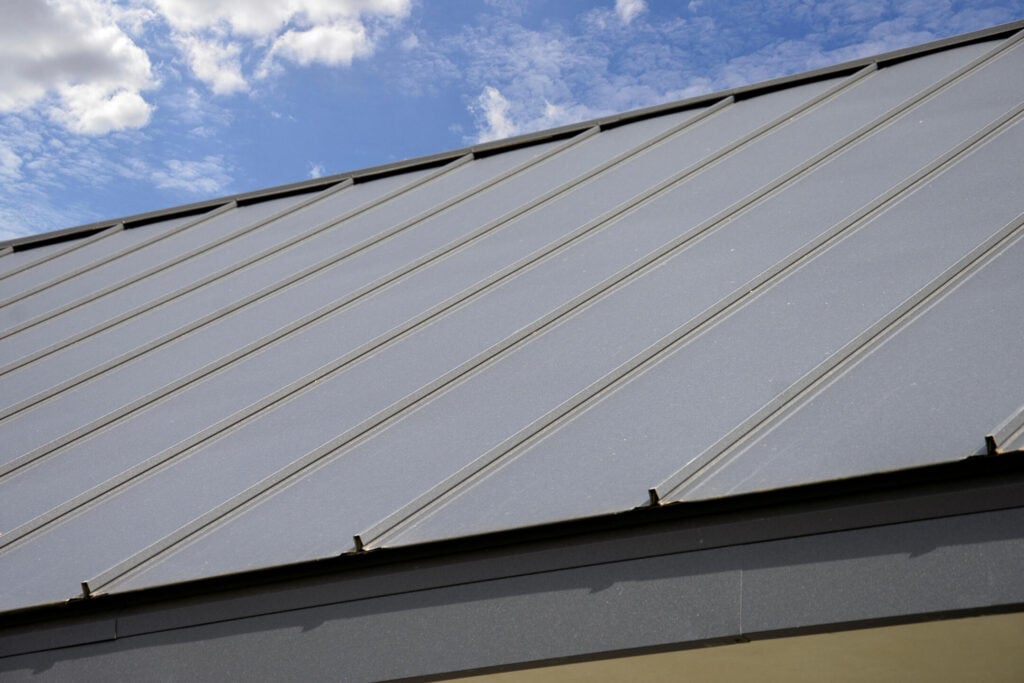
2. Standing Seam Metal Roofing
Metal roofing is naturally strong and rarely cracks or punctures from typical hail. Standing seam panels, with their raised interlocking seams and concealed fasteners, are especially durable and shed snow and water well.
- Long lifespan with low maintenance
- Many panels carry Class 4 impact ratings
- Can dent from very large hail, though cosmetic dents often don’t affect performance
With proper installation, a metal roof can last 40 to 70 years. Thicker gauge panels hold up better against dents, so it’s worth asking about panel thickness when comparing quotes.
3. Stone-Coated Steel
Stone-coated steel combines the strength of metal with a textured surface that mimics shingles, shake, or tile. The stone granules help hide minor dings and give the roof a more traditional look than standard metal panels.
- Strong impact resistance with a classic appearance
- Lightweight compared to tile or slate
- Granule coating helps mask small cosmetic marks
4. Synthetic and Composite Shingles
Made from engineered polymers, rubber, or recycled materials, synthetic shingles are designed to look like slate or cedar shake while offering far better hail resistance than the natural materials they imitate. Many products are flexible enough to absorb hail without cracking.
- Many products carry Class 4 impact ratings
- Lighter than natural slate, so less structural support is needed
- Resist moisture, rot, and insects
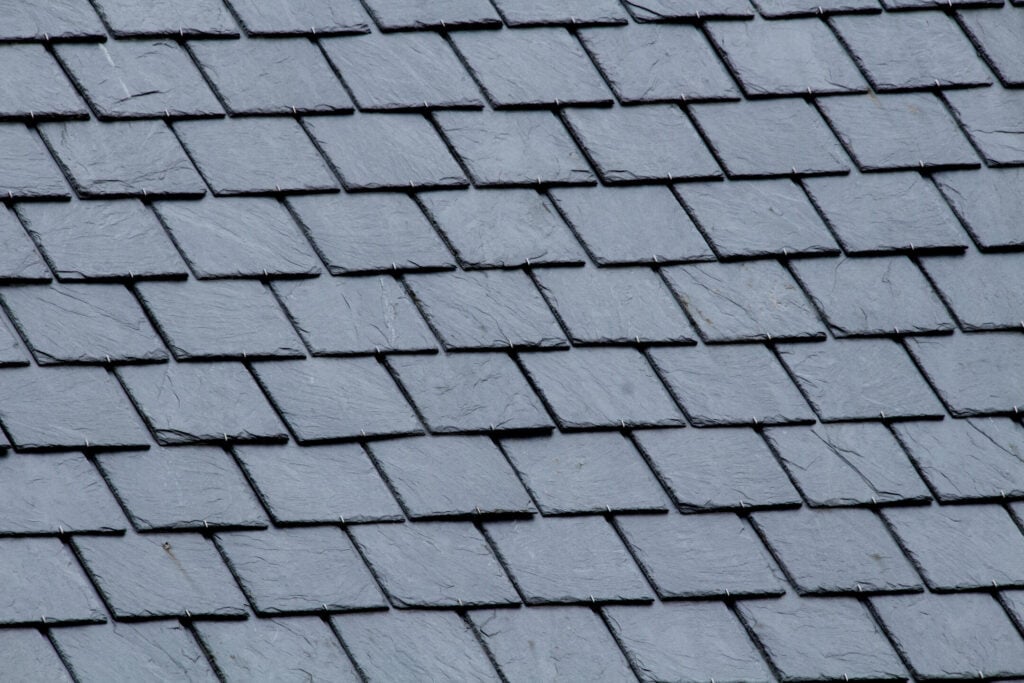
5. Natural Slate
Slate is one of the longest-lasting roofing materials available, and thick, high-quality slate can stand up well to moderate hail. It’s a premium choice that offers timeless curb appeal and exceptional longevity.
- Can last for generations with proper care
- Thicker slate performs better under impact
- Heavy and expensive, often requiring added roof support
Slate quality varies widely, and while thicker slate holds up well, thinner ones can fracture under extraordinarily large hail. A knowledgeable contractor can help you decide whether it’s the right fit for your home and your structure.
Each of these materials brings something different to the table. The best choice depends on how much protection you need, how long you plan to stay in your home, and the look you want to achieve.
What to Look for in a Truly Storm-Ready Roof
The material you choose is only part of the picture. A few key details separate a roof that simply sounds durable from one that actually holds up when hail starts falling.
- Impact ratings: Look for products rated Class 4 under UL 2218, the most widely recognized rating system for impact resistance. Some rigid materials are also tested under FM 4473, which uses ice balls instead of a steel ball, so ask which testing standards a product meets.
- Material thickness: Thicker metal panels and heavier shingles generally resist dents and cracks better than thinner versions of the same product.
- Quality underlayment: A strong underlayment adds a second layer of protection if the roof surface is ever compromised.
- Solid roof decking: A firm, well-supported deck helps the roof absorb impact evenly and prevents weak spots.
- Warranty details: Some manufacturers offer specific hail or impact coverage, while others exclude it. Read the fine print before you buy.
- Experienced installation: Even the best material can underperform if it’s installed incorrectly, so the crew matters as much as the product in a well-built roofing system.
Paying attention to these details helps you get full value from your investment. When the material, underlayment, decking, and installation all work together, your roof is ready for whatever the next storm brings.
Comparing Hail-Resistant Roofing Materials Side by Side
Seeing the options together makes it easier to weigh cost against performance and appearance. Lifespans and costs vary based on product, installation, and price per square foot, so use these as general guidelines rather than exact figures.
| Material | Relative Cost | Typical Lifespan | Hail Performance | Look |
| Class 4 asphalt shingles | Lower | 20 to 30 years | Very good | Traditional shingle |
| Standing seam metal | Moderate to higher | 40 to 70 years | Excellent, may dent | Clean, modern lines |
| Stone-coated steel | Moderate to higher | 40 to 70 years | Excellent | Shingle, shake, or tile style |
| Synthetic or composite | Moderate to higher | 30 to 50 years | Very good to excellent | Slate or shake style |
| Natural slate | Highest | 75 years or more | Good to very good | Classic natural stone |
Matching the Material to Your Home
The right roof isn’t always the toughest one on paper. Consider these practical questions as you decide:
- How often does your area see a major storm with hail?
- How long do you plan to live in your home?
- Can your roof structure support heavier materials?
- Does your neighborhood or HOA have style requirements?
- How much do you want to spend upfront versus over time?
Homeowners in Stillwater and surrounding areas often weigh these factors differently depending on the age and style of their home. A professional assessment can help you narrow the list and choose a material that delivers the protection you need without overspending.
Frequently Asked Questions About Hail-Resistant Roofing
Choosing a new roof brings up plenty of questions, especially when storm protection is a priority. Here are clear answers to some of the most common ones.
Is any roof completely hail-proof?
No roofing material is entirely hail-proof. Hail-resistant materials greatly reduce the chance of damage, but extremely large hail can still cause problems on almost any roof.
What is the most hail-resistant roofing material?
Metal and stone-coated steel are often considered among the best at helping a roof withstand impact, followed closely by Class 4 shingles and many synthetic products. The best choice for you depends on budget, style, and structural needs.
Will hail-resistant roofing lower my insurance costs?
It may. Many homeowners qualify for insurance discounts on impact-rated roofing, though savings vary based on your insurer and state. Ask your agent what qualifies and what documentation they need.
Do metal roofs dent in hailstorms?
Metal roofs can dent from large hail, but the dents are often cosmetic and don’t affect performance. Thicker panels and textured finishes help reduce visible marks.
Can I upgrade to a hail-resistant roof during a storm repair?
Often, yes. If your roof needs replacement after a storm, it can be a great time to upgrade. You may need to pay the difference in cost if your policy only covers like-kind materials.
Every home and every budget is different, so your best option may not be the same as your neighbor’s. A local roofing professional can walk you through the choices that fit your situation.
Build a Roof That’s Ready for the Next Storm
Hail isn’t going anywhere, but the damage it causes doesn’t have to be a regular part of homeownership. Choosing the right hail-resistant material protects your home, reduces repairs, and provides peace of mind every time the sky turns dark. Classic Construction helps homeowners in Stillwater and surrounding areas compare roofing options and install systems built to stand up to extreme weather events. If you’re ready to explore a stronger roof, contact us today to schedule an inspection and talk through the best materials for your home.


