

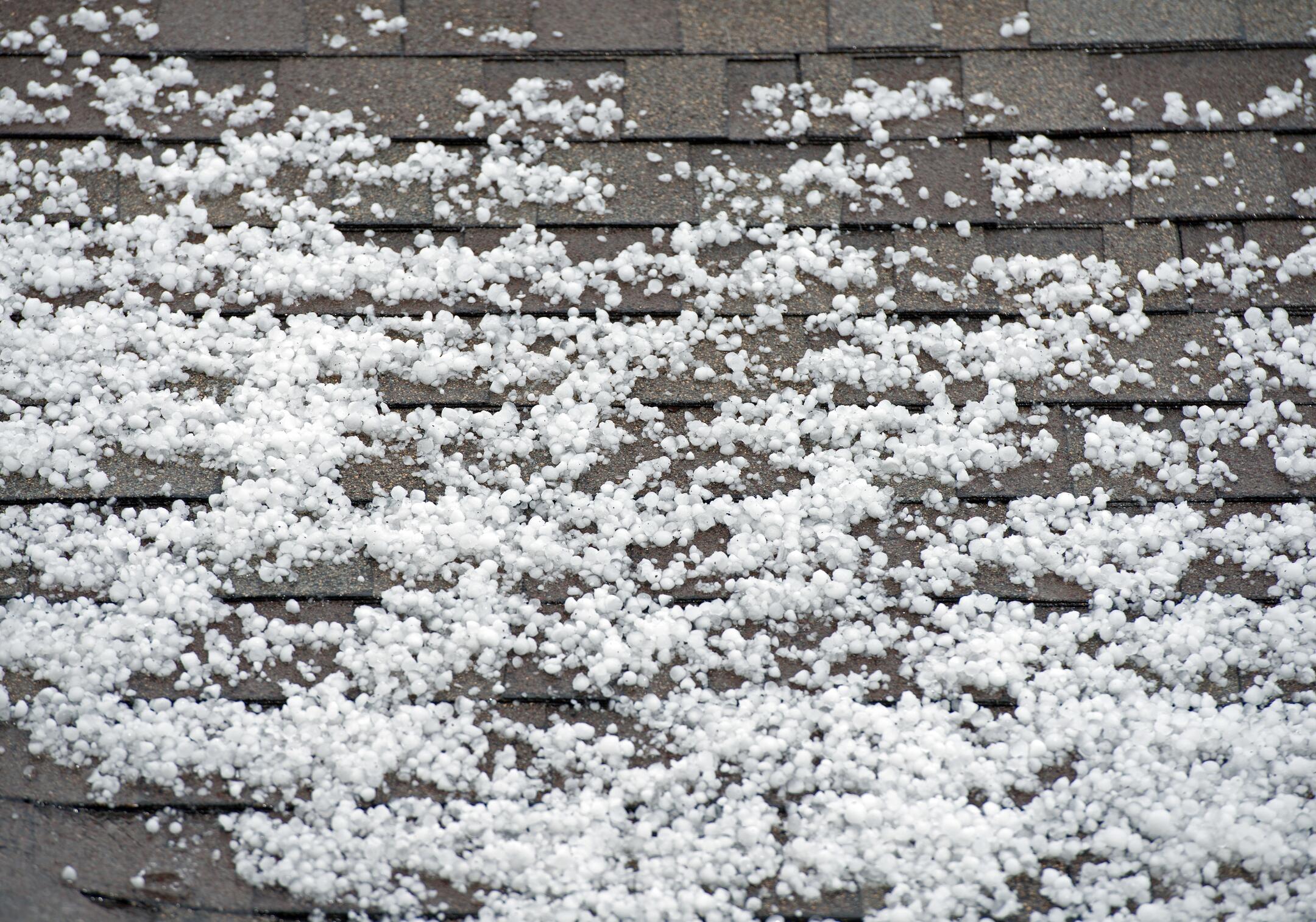
A hailstorm can pass in minutes, but sorting out the damage it leaves behind can take weeks if you’re not prepared. Filing a hail damage insurance claim correctly helps you get the coverage you’ve paid for, avoid delays, and move forward with repairs that actually protect your home. Small mistakes, like waiting too long or skipping documentation, can cost you money and time. If you’re focused on bringing your roof back to full strength after a hailstorm, knowing the right steps from the start makes the whole process far less stressful.
A few things you’ll walk away with:
- The step-by-step claim process
- Key policy terms that affect your payout
- Common mistakes that can weaken a claim
- Answers to the questions homeowners ask most
Why the Way You File Matters as Much as the Damage
Two homeowners on the same street can file claims for the same storm and end up with very different results. The difference usually comes down to timing, documentation, and how well each homeowner understands their policy. For families in Minneapolis and surrounding areas, where hail season can bring several damaging storms in a single year, learning the basics of filing a claim after a hailstorm is time well spent.
Getting the process right offers real advantages:
- A fairer settlement: Clear evidence and a thorough inspection help make sure all of the damage is included, not just the most obvious spots.
- Faster repairs: A complete, well-organized claim tends to move through the system with fewer delays and back-and-forth requests.
- Less risk of denial: Meeting deadlines and following your policy’s requirements reduces the chances of a claim being rejected on a technicality.
- Better long-term protection: When the full scope of damage is covered, your roof gets the repairs it truly needs instead of a quick patch.
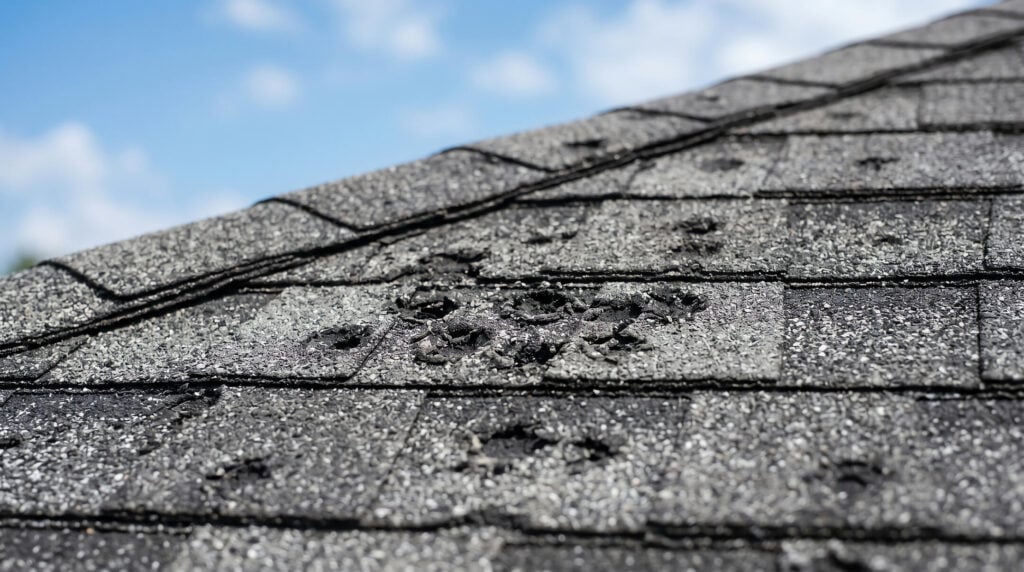
Hail damage is not always visible from the ground, and it can take months to show up as a leak. Handling the claim carefully from day one helps make sure hidden problems are caught and covered.
8 Steps to File a Hail Damage Claim Successfully
The claims process can feel complicated, but it becomes much easier when you break it into clear steps. Following them in order keeps you organized and helps you avoid the most common pitfalls.
1. Make Sure Everyone Is Safe
Before thinking about paperwork, check that your family is safe and your home is secure. Watch for broken windows, downed branches, and any signs of water coming inside.
2. Document the Damage Right Away
Photos and videos are some of the most important evidence you can provide. Capture damage as soon as it’s safe, and include dates whenever possible.
- Photograph dents on gutters, downspouts, vents, and siding
- Take pictures of hailstones next to a coin or ruler for scale
- Record interior damage like ceiling stains or wet insulation
3. Review Your Homeowners Policy
Pull out your policy and look at your coverage, deductible, and any deadlines for reporting damage. Many policies set a time limit for filing, often within a year of the storm, though this varies by insurer and state.
4. Prevent Further Damage
Most policies expect homeowners to take reasonable steps to stop damage from getting worse. Covering broken windows or tarping an exposed section of roof can help, and you should keep receipts for any temporary repairs.
5. Schedule a Professional Roof Inspection
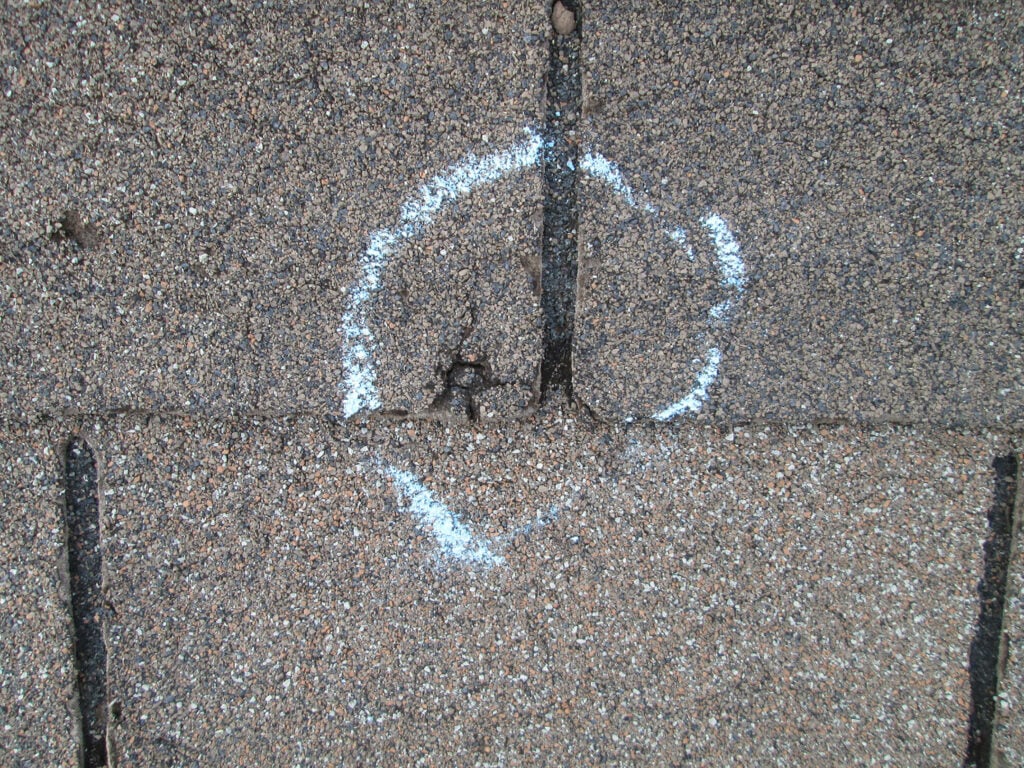
A qualified roofing contractor can spot hail damage that’s easy to miss, such as bruised shingles, cracked mats, and granule loss. Their findings give you a clearer picture of the damage before you speak with your insurer.
6. Contact Your Insurance Company
Report the damage promptly and ask for a claim number. Write down the name of every representative you speak with, along with the date and what was discussed.
- Ask what documentation the insurer needs
- Confirm the timeline for an adjuster visit
- Request written confirmation of your claim
7. Meet With the Insurance Adjuster
The adjuster will inspect your property to estimate the cost of repairs. Having your roofer present during this visit helps make sure all of the damage is identified and discussed.
8. Review the Settlement and Plan Repairs
Once you receive the adjuster’s estimate, compare it with your roofer’s findings. If something seems missing, you can ask questions, provide additional evidence, or request a second look before work begins.
Taking these steps in order gives you a strong foundation for a smooth claim. Staying organized and keeping clear records will help at every stage, from the first phone call to the final repair.
Policy Terms That Shape Your Payout
Your policy language has a big impact on how much your insurer pays and when. Understanding a few key terms ahead of time helps you set realistic expectations and avoid surprises.
Actual Cash Value vs. Replacement Cost Value
These two terms describe how your insurer values the damaged roof:
| Term | What It Means | What to Expect |
| Actual Cash Value (ACV) | Pays the depreciated value of your roof | Lower payout, especially for older roofs |
| Replacement Cost Value (RCV) | Pays the cost to replace the roof with similar materials | Higher payout, often issued in two payments |
With many RCV policies, the insurer releases the first payment upfront and the remaining amount, sometimes called recoverable depreciation, once repairs are complete.
Deductibles
Your deductible is the amount you pay before coverage kicks in. Some policies use a flat dollar amount, while others use a percentage of your home’s insured value for wind and hail damage, which can be significantly higher.
Cosmetic Damage Exclusions
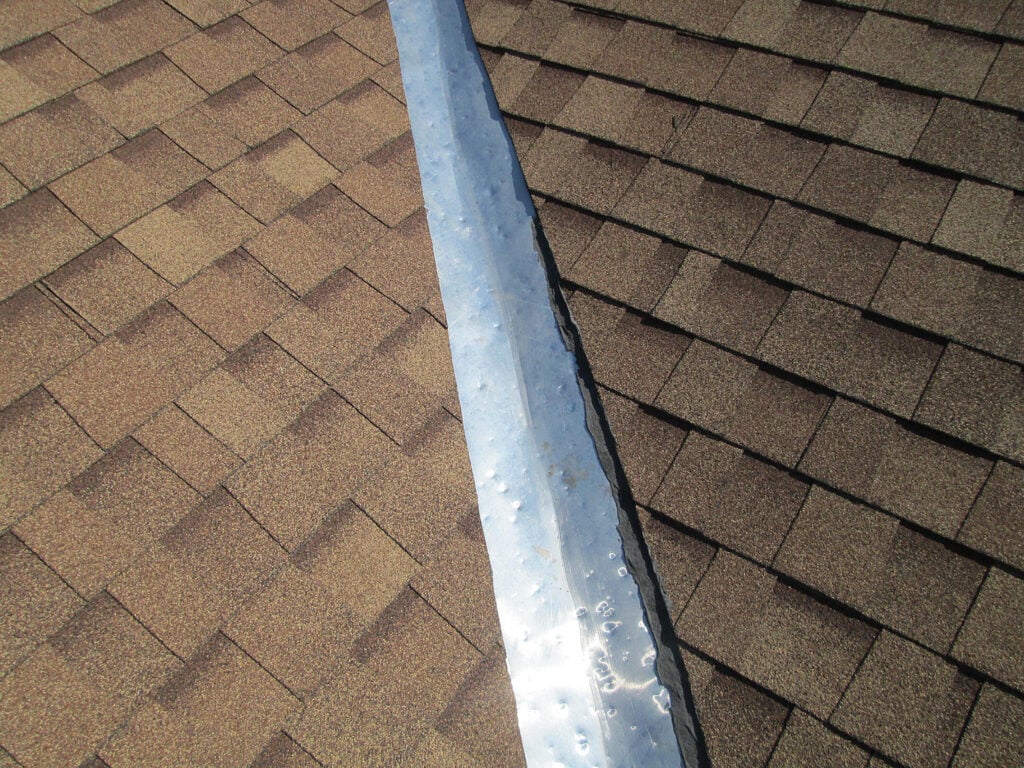
Some policies exclude damage that affects appearance but not performance, like small dents in metal roofing or gutters. Knowing whether your policy includes this language helps you understand what may or may not be covered.
Reading your policy before a storm hits is one of the best ways to prepare. If anything is unclear, your insurance agent can explain how each term applies to your specific coverage.
Mistakes That Can Weaken Your Claim
Even well-meaning homeowners can make choices that slow down or reduce their claim. Knowing what to avoid is just as important as knowing what to do.
Waiting Too Long to Act
Delays can make it harder to prove the damage came from a specific storm. They also give water more time to cause additional problems, which may not be covered if the insurer believes the damage could have been prevented.
Skipping the Professional Inspection
Hail damage on asphalt shingles is often subtle. Without a trained eye, you might report only a fraction of the actual damage and leave money on the table.
Falling for Storm Chasers
After major hailstorms, out-of-town contractors often go door to door offering fast repairs. Watch for these warning signs:
- Pressure to sign a contract on the spot
- Requests for large upfront payments
- No local address or verifiable references
- Offers to “cover” your deductible, which may be illegal in some states
Homeowners in Minneapolis and surrounding areas are better served by working with a local, established roofer who will be around long after the storm passes. A trustworthy contractor will answer your questions, explain your options, and never pressure you into a quick decision.
Frequently Asked Questions About Hail Damage Insurance Claims
Filing a claim raises plenty of questions, especially if it’s your first time. Here are clear answers to some of the most common ones.
Will filing a hail damage claim raise my insurance rates?
Hail claims are generally considered weather-related rather than caused by the homeowner. However, insurers may still review your claims history, and multiple claims in a short period can affect your rates.
How long do I have to file a claim after a hailstorm?
It depends on your policy and state, but many insurers require claims within a year of the storm. Filing sooner is always better, since it’s easier to connect the damage to a specific event.
What if my claim is denied?
Ask your insurer for a written explanation. You can provide additional evidence, request a reinspection, or explore your policy’s appeal options.
Do I need a roofer before calling my insurance company?
It’s not required, but a professional inspection first can help you understand the extent of the damage and decide whether filing a claim makes sense.
Will insurance pay for a full roof replacement?
If the damage is widespread enough, your insurer may approve a full replacement. Smaller, localized damage is more likely to be covered as a repair.
Every policy and every storm is a little different, so your answers may vary. A local roofing professional can help you understand how these questions apply to your home.
Get Expert Help With Your Hail Damage Claim
Filing a hail damage claim the right way can make a real difference in how quickly your home is repaired and how much of the cost is covered. With careful documentation, a professional inspection, and a clear understanding of your policy, you can approach the process with confidence. Classic Construction helps homeowners in Minneapolis and surrounding areas identify hail damage, prepare for adjuster visits, and complete quality repairs. If your home took a hit in a recent storm, contact us today to schedule an inspection and take the first step toward a stronger roof.


