

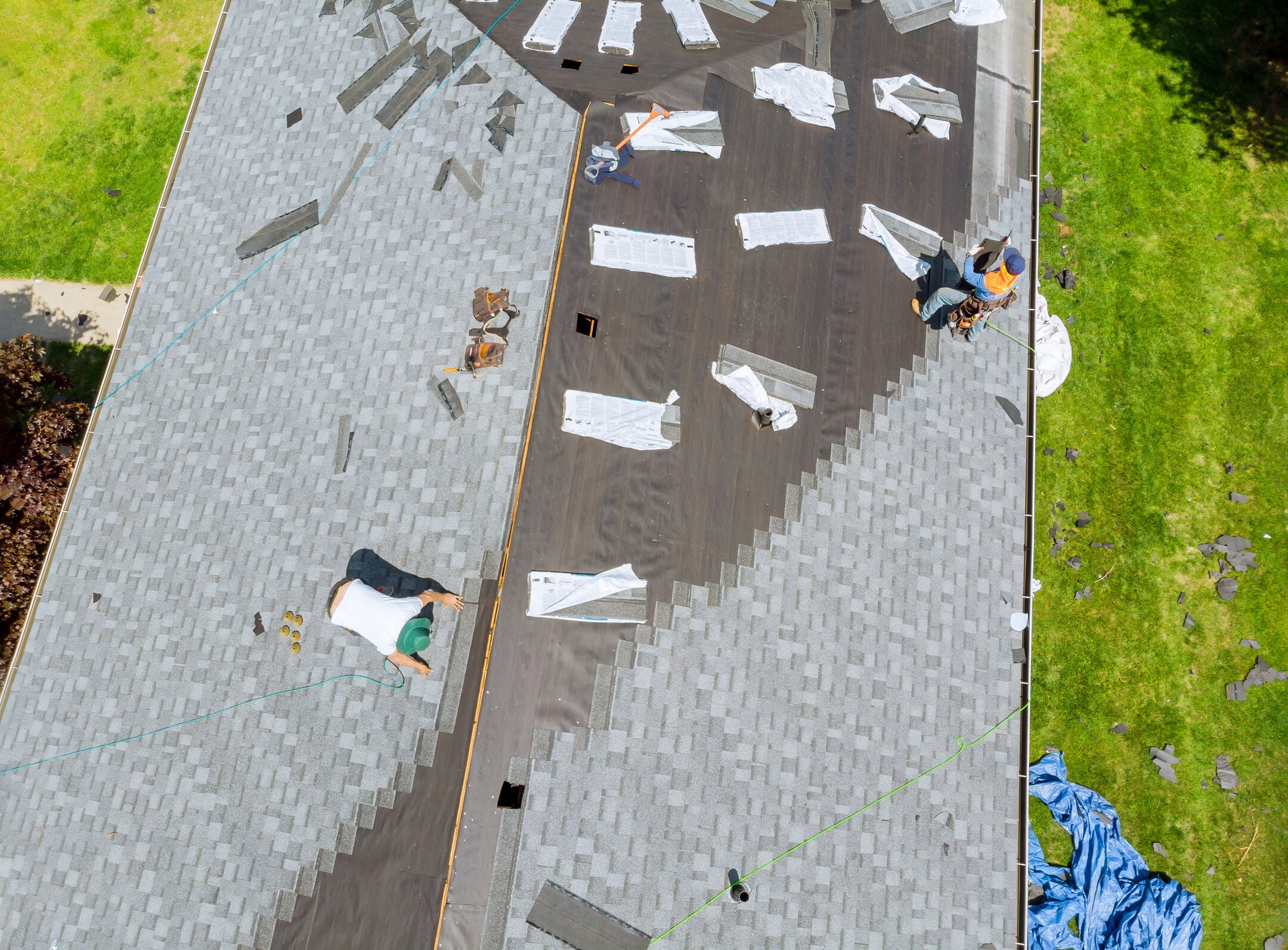
A new roof is one of the biggest investments you’ll make in your home, so it’s natural to wonder who will pay for it when the time comes. The answer to does homeowners insurance cover roof replacement depends on what caused the damage, how old your roof is, and what your policy actually says. Knowing those details ahead of time can save you from an unexpected bill. If you’re working on helping your home bounce back from storm damage, understanding your coverage is the best place to start.
In this guide, you’ll find:
- The factors that decide whether you’re covered
- What policies usually include and exclude
- Your options if insurance won’t pay
- Quick answers to common coverage questions
What Your Coverage Means for Your Wallet and Your Home
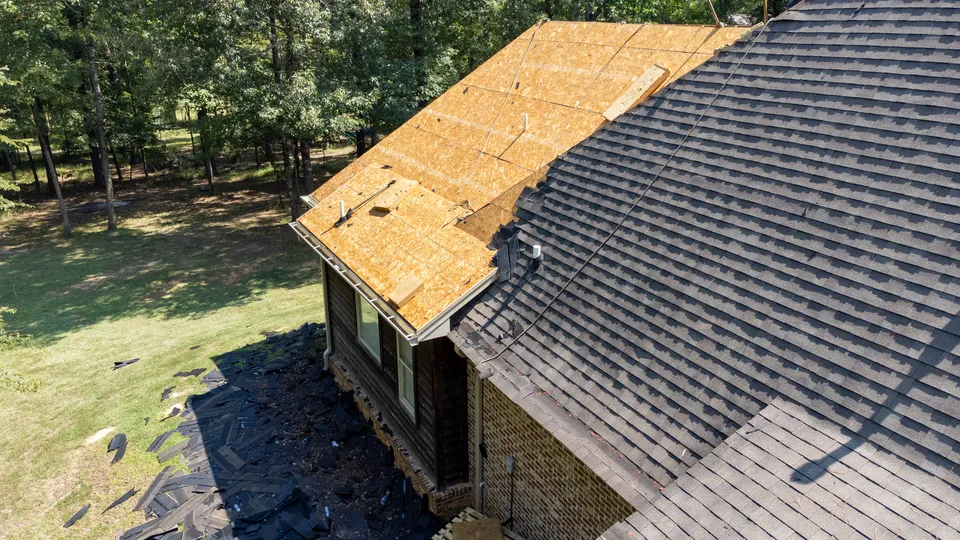
Roof replacement is not a small expense, and most homeowners don’t have the full cost set aside for a surprise. Knowing whether your policy will step in helps you plan ahead, file claims with confidence, and avoid putting off repairs your home truly needs. For homeowners in Eau Claire and surrounding areas, where heavy snow, ice, and summer storms all take a toll, it pays to understand the roof coverage rules in your policy before something goes wrong.
Here’s why this knowledge matters:
- Fewer financial surprises: Understanding your coverage helps you budget for what insurance won’t pay, like your deductible or depreciation.
- Stronger claims: When you know what your insurer looks for, you can document damage in a way that supports your case.
- Smarter maintenance decisions: Since neglect can lead to a denied claim, knowing the rules encourages regular upkeep that protects both your roof and your coverage.
- Better long-term planning: If your roof is aging, you can start setting money aside or explore upgrades before replacement becomes urgent.
Insurance can be a valuable safety net, but it only works when you know where its limits are. A little homework now can make a stressful situation much easier to handle later.
4 Factors That Decide Whether Insurance Pays for a New Roof
Insurance companies don’t approve roof replacements automatically, even after a big storm. Instead, they look at a handful of key factors to decide whether the damage is covered and how much they’ll pay.
1. The Cause of the Damage
This is the most important factor of all. Homeowners insurance is designed to cover sudden, accidental damage from events called covered perils, not problems that develop slowly over time.
- Covered events often include wind, hail, fire, lightning, and falling trees
- Gradual wear, aging, and neglect are typically not covered
- Flooding usually requires a separate flood insurance policy
If a storm tears shingles from your roof, you likely have a strong case. If your roof simply wears out after decades of service, replacement will usually be your responsibility.
2. The Age and Condition of Your Roof
Older roofs face more scrutiny from insurers. Some companies limit coverage on roofs past a certain age, require inspections before renewing a policy, or refuse to write new policies on homes with very old roofs.
- Older roofs may only qualify for depreciated value
- Visible wear can make it harder to prove storm damage
- Regular maintenance records can help support your claim
3. Your Policy Type and Payout Method
The way your policy values your roof makes a big difference in your payout. A replacement cost policy pays to replace your roof with similar materials, while an actual cash value policy subtracts depreciation based on the roof’s age. Some policies also switch older roofs to a separate roof payment schedule, which can reduce what you receive.
4. Your Deductible and the Extent of Damage
Your insurer will also consider whether the damage is severe enough to need a full replacement or whether repairs will do the job. Then your deductible comes into play, which may be a flat amount or a percentage of your home’s insured value for wind and hail.
- Localized damage is more likely to be paid as a repair
- Widespread damage across multiple slopes is more likely to justify replacement
- If the repair cost is close to your deductible, filing may not be worth it
These four factors work together, so a strong case in one area can’t always make up for a weak one in another. Understanding all of them helps you predict how your insurer is likely to respond.
What Policies Typically Cover and Exclude
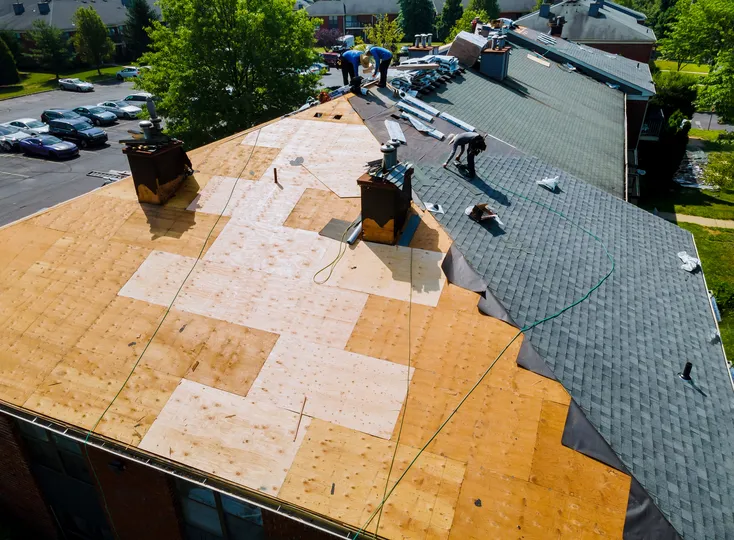
Every policy is different, but most standard homeowners policies follow similar patterns. Knowing these general rules helps you quickly gauge whether a claim is worth pursuing.
Usually Covered
- Wind damage: Shingles torn off or lifted by strong storms
- Hail damage: Cracked, bruised, or punctured roofing materials
- Fire and lightning: Sudden damage from flames or electrical strikes
- Falling objects: Trees, limbs, or debris that land on the roof
- Weight of snow and ice: Damage from heavy buildup, depending on your policy
Usually Excluded
- Normal wear and tear: Aging shingles, curling, and general deterioration
- Neglect: Damage that could have been prevented with routine upkeep
- Poor installation: Problems caused by faulty workmanship
- Pests and animals: Damage from rodents, birds, or insects in many policies
- Cosmetic damage: Dents or marks that don’t affect performance, if your policy has this exclusion
The fine print matters, so always read your specific policy or ask your agent to walk you through it. A short conversation can clarify exactly what’s covered before you ever need to file a claim.
When Insurance Won’t Pay: Your Other Options
Sometimes a roof needs to be replaced simply because it has reached the end of its life, and insurance won’t help with that cost. The good news is that homeowners still have practical ways to move forward without putting their home at risk.
| Option | Best For | Things to Consider |
| Targeted repairs | Roofs with a few problem areas and life left | Buys time but won’t fix widespread aging |
| Full replacement with financing | Homeowners who need a new roof now | Spreads payments out, but interest applies |
| Planned replacement | Roofs showing early signs of age | Lets you budget and schedule on your terms |
| Roof overlay (re-cover) | Some roofs with one existing layer and solid decking | Not allowed by all codes and can hide deck issues |
Protecting Your Coverage Going Forward
Even if your current roof isn’t covered, you can set yourself up for better outcomes in the future:
- Schedule regular inspections: Catch small problems before they become denied claims.
- Keep records: Save receipts, photos, and inspection reports in one place.
- Review your policy yearly: Confirm your roof is still covered at replacement cost, if possible.
- Consider durable materials: Impact-resistant shingles may lower your risk of damage and qualify for discounts with some insurers.
Homeowners in Eau Claire and surrounding areas often find that a professional inspection makes the decision much clearer. Knowing the true condition of your roof helps you choose the option that fits both your budget and your timeline.
Frequently Asked Questions About Homeowners Insurance and Roof Replacement
Coverage questions come up often, especially after a big storm or when a roof starts to show its age. Here are straightforward answers to some of the most common ones.
Will insurance replace my roof just because it’s old?
No. Insurance covers sudden damage from covered events, not normal aging. An old roof that wears out on its own is usually the homeowner’s responsibility.
How old is too old for insurance coverage?
It depends on the insurer. Some companies start limiting coverage or paying only depreciated value once a roof reaches a certain age, so it’s worth asking your agent where your roof stands.
Can my insurer cancel my policy because of my roof?
In some cases, yes. Insurers may decline to renew a policy if a roof is in poor condition or past a certain age, especially after an inspection.
Does insurance cover a roof leak?
It can, if the leak was caused by a covered event like a storm or a falling tree. Leaks caused by wear, aging, or poor maintenance are typically excluded.
Should I get a roof inspection before filing a claim?
Yes, it’s a smart move. A professional inspection shows you the extent of the damage and helps you decide whether filing makes sense based on your deductible.
Coverage rules can feel complicated, but you don’t have to sort through them alone. A local roofer and your insurance agent together can give you a clear picture of your options.
Get Clear Answers About Your Roof and Your Coverage
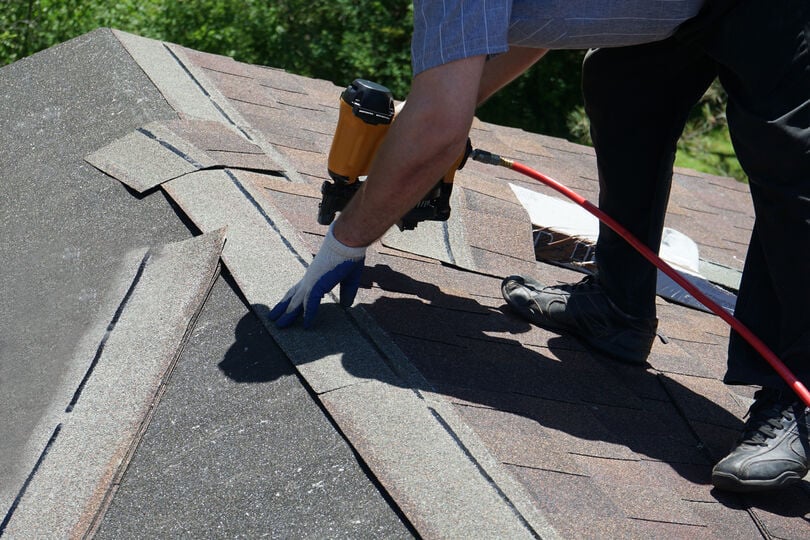
Whether insurance covers your roof replacement comes down to the cause of the damage, your roof’s condition, and the details of your policy. Knowing those factors helps you make confident decisions and avoid costly surprises. Classic Construction helps homeowners in Eau Claire and surrounding areas understand the condition of their roof, document storm damage, and plan the right next step. If you’re unsure whether your roof qualifies for coverage, contact us today to schedule an inspection and get honest guidance.


