

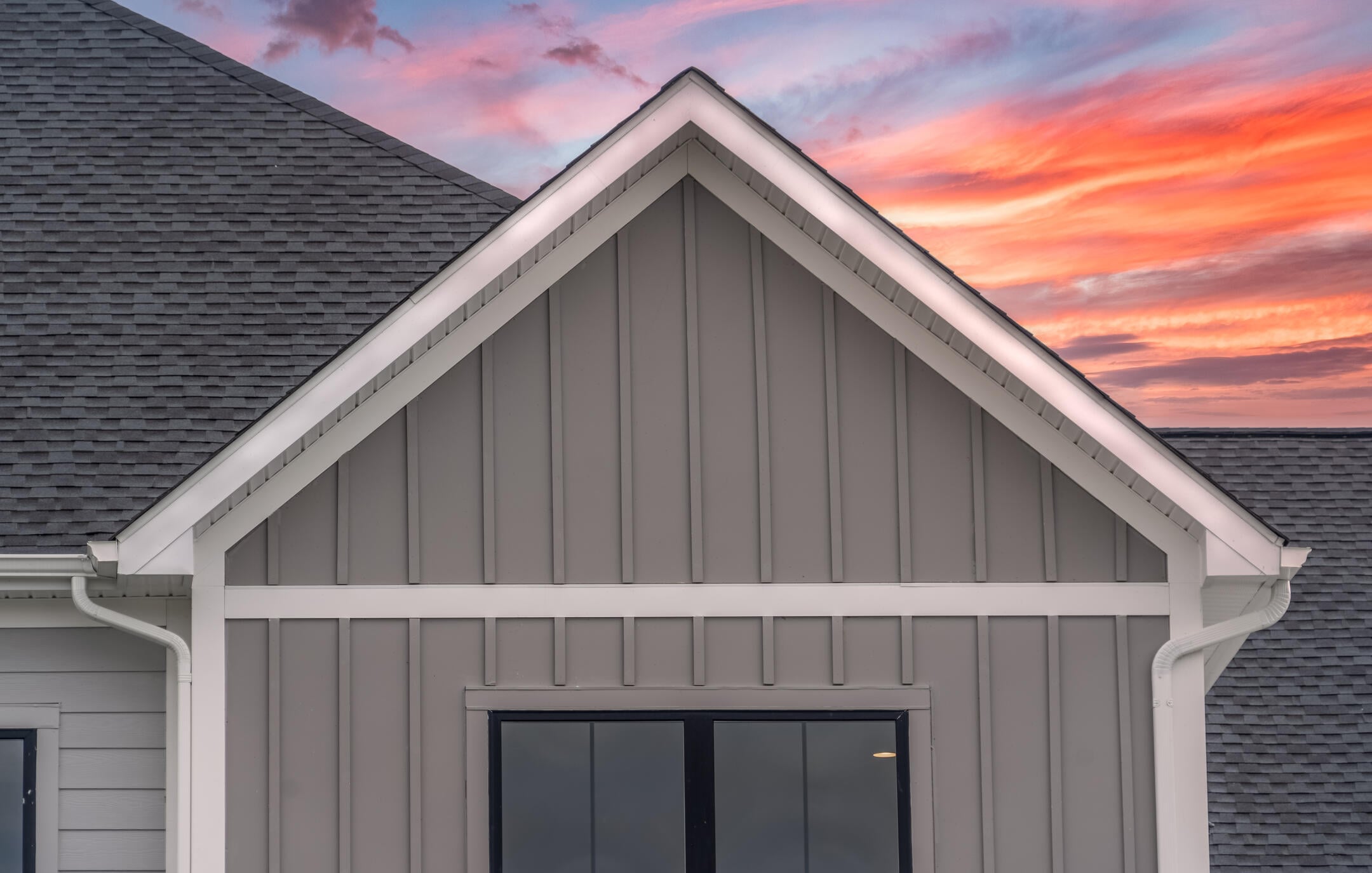
Few exterior updates change the personality of a home as quickly as board and batten siding. Its tall vertical lines add height, texture, and timeless charm that suits farmhouses, modern builds, and classic cottages alike. If you are weighing a refresh, knowing what makes this style so popular helps you decide whether it fits your house, your budget, and your climate. Before you pick materials and colors, it pays to understand how a well-planned exterior upgrade comes together from start to finish.
Here’s a quick look at what this guide covers:
- What sets board and batten apart from other siding styles
- Seven reasons homeowners keep choosing it
- Design tips for spacing, color, and trim
- How it stacks up against lap and shake siding
- Answers to common homeowner questions
Why Board and Batten Deserves a Spot on Your Shortlist
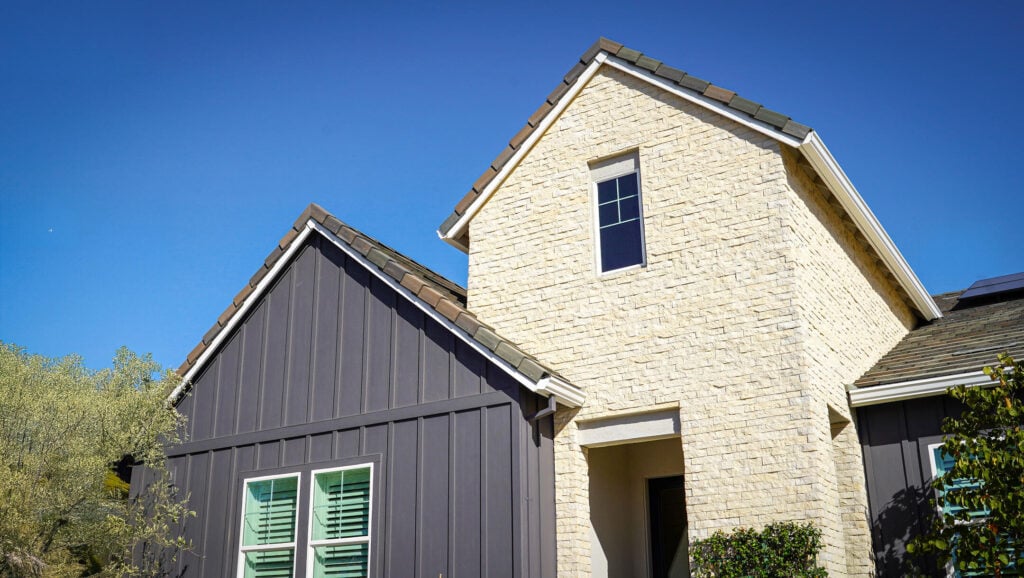
Your siding is the largest visible surface on your home, so it shapes first impressions more than almost any other feature. Each siding board runs vertically, with narrow strips called battens attached over the seams between them. That simple pattern creates shadow lines and depth that flat horizontal siding cannot match. The style traces back to barns and early American homes, and as this history of the board and batten look explains, it became a design favorite on bungalows and country homes before making a strong comeback in recent years.
Here is why the style matters to homeowners today:
- Instant character: The vertical rhythm gives even a simple home a custom, architectural feel without major structural changes.
- Flexible design: It works across the entire exterior or as an accent on gables, dormers, and entryways.
- Modern material choices: Today’s manufactured options go well beyond wood, so you can match the look to how much ongoing maintenance you want.
- Lasting appeal: Because it blends rustic roots with clean lines, it tends to stay stylish for decades rather than looking dated after a few years.
For homeowners in Woodbury and surrounding areas, where neighborhoods mix newer builds with established homes, board and batten offers a way to stand out while still fitting in. It is a choice that balances personality with practicality, which is exactly why it keeps showing up on project wish lists.
7 Reasons Homeowners Fall for Board and Batten Siding
Popularity alone is not a good reason to choose a siding style, so it helps to look at what actually draws people to this one. The reasons below cover everything from appearance to performance, giving you a fuller picture before you commit.
1. Vertical Lines That Add Height
The most noticeable feature of board and batten is its strong vertical orientation. Those upward lines draw the eye toward the roofline, which can make a single-story ranch or a low, wide home look taller and more balanced. On two-story homes, the effect feels bold and stately.
2. A Style That Spans Farmhouse to Modern
Board and batten is one of the few siding styles that feels equally at home on a rustic farmhouse and a sleek contemporary build. That versatility opens up plenty of design possibilities, and the finish you choose makes all the difference.
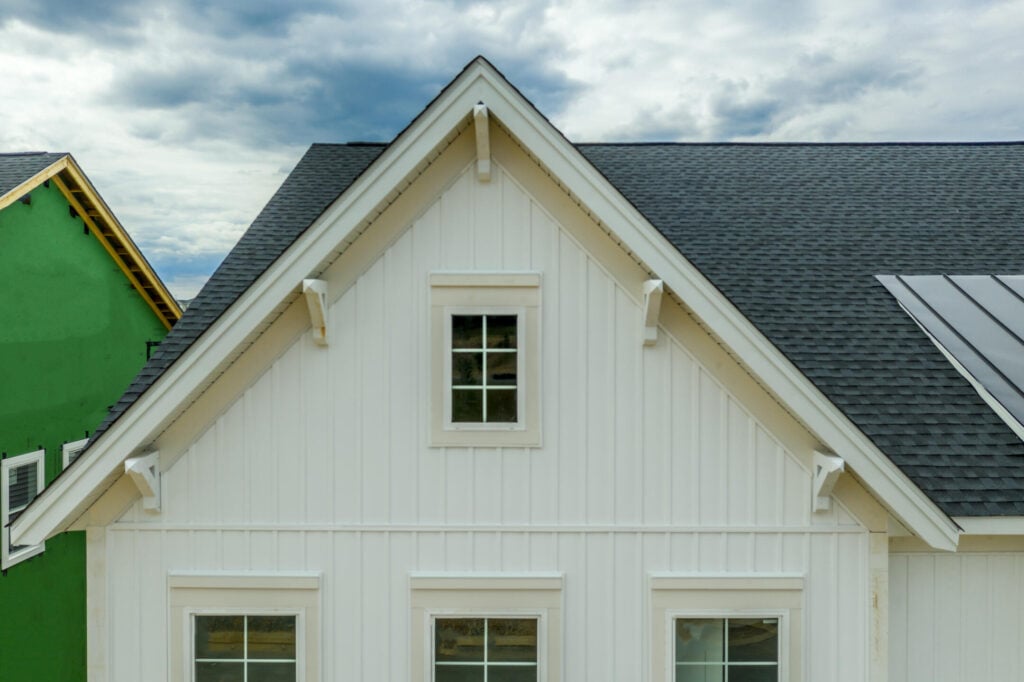
- White or cream panels with black windows deliver a modern farmhouse look
- Dark charcoal or black creates a dramatic, minimalist exterior
- Natural wood tones lean toward cabin or Scandinavian design
3. Strong Curb Appeal
Curb appeal is about more than looking nice. A distinctive, well-kept exterior can help a home make a memorable impression on visitors and potential buyers alike. Board and batten adds texture and shadow that photograph well and give a home a crafted, intentional appearance from the street.
4. Durable Material Options
Traditional wood is still available, but homeowners now have several longer-lasting manufactured alternatives that capture the same look.
- Fiber cement resists rot, pests, and fire, and holds paint well, so you repaint less often
- Engineered wood offers a natural texture with improved moisture resistance
- Vinyl is low maintenance and relatively inexpensive upfront
- Metal provides a crisp, modern profile with excellent durability
5. Smart Performance in Tough Weather
Vertical siding has a practical advantage in wet climates. Rain and melting snow run straight down each batten siding board rather than settling along horizontal edges. Paired with proper flashing, insulation, and a quality weather barrier, it can withstand the elements, including the freeze and thaw cycles common in the Midwest.
6. Easy to Mix With Other Textures
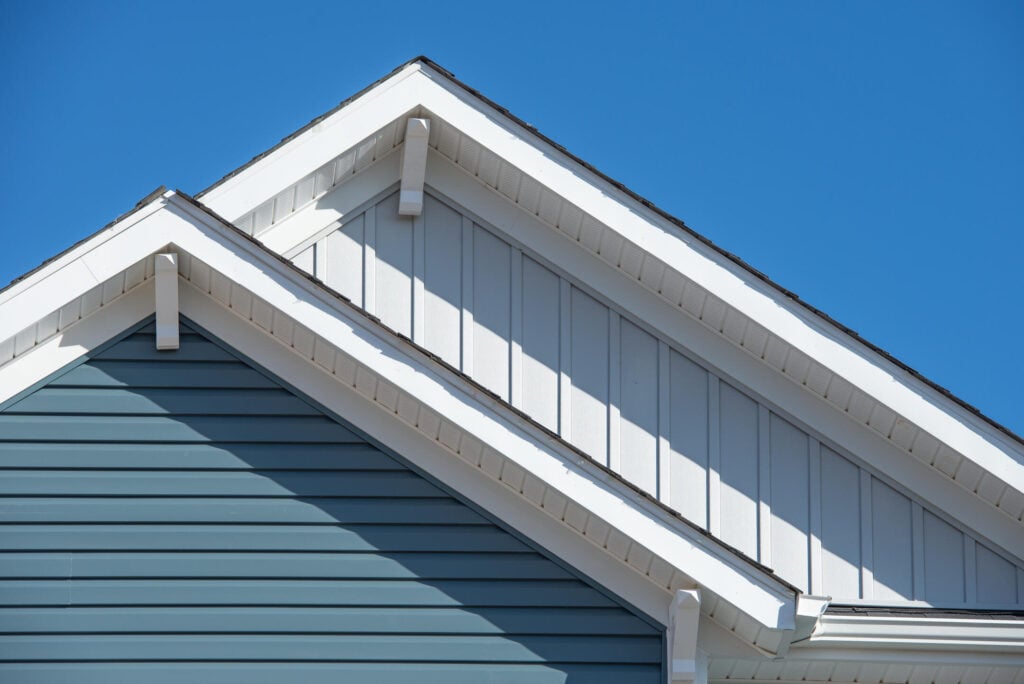
Board and batten pairs beautifully with other materials, which makes it ideal for homeowners who want visual variety. For example, many homes use the batten style on upper gables with lap siding below, or combine it with stone veneer near the foundation for a layered, high-end look.
7. Room for Personalization
Batten spacing, board width, and color can all be adjusted to suit your taste. Wider boards and generous spacing feel relaxed and rustic, while tighter spacing looks tailored and modern. This flexibility means no two homes have to look exactly alike.
Taken together, these benefits explain why the style has moved from barns to some of the most admired homes in Woodbury and surrounding areas. Each reason on its own is appealing, but the combination of looks, durability, and flexibility is what really seals the deal.
Design Tips for Getting the Look Just Right
Choosing board and batten is only the first step. The details you decide on next will determine whether the finished exterior feels balanced, cohesive, and true to your home’s style.
Choosing Your Batten Spacing
Spacing between battens typically ranges from narrow to wide, and the right choice depends on the size of your home. Larger walls can handle wider spacing without looking sparse, while smaller homes or accent areas often look best with tighter spacing that keeps the pattern visible. Mapping the layout around windows and doors ahead of time, with each batten centered over a seam, prevents awkward gaps or slivers at corners.
Picking a Color Palette
Color has a big influence on how board and batten reads from the street. Here are a few color ideas to consider:
- Monochrome: Painting boards, battens, and trim the same color creates a smooth, modern look
- High contrast: Light siding with dark windows and trim highlights architectural details
- Earthy neutrals: Greens, taupes, and warm grays blend with wooded or natural lots
Planning Trim and Transitions
Clean trim at corners, windows, and rooflines ties the whole design together. If you are mixing board and batten with another siding profile, plan a clear horizontal break, such as a belly band or frieze board, so the transition looks deliberate rather than patched together. When crews install board and batten in real wood, they typically fasten each board through its center and drive batten nails into the gap between boards, so no one nail pins two boards together. If needed, a batten is nailed to one side only, letting the wood expand and contract without splitting.
Thoughtful planning at this stage saves time and money later. A professional layout also makes sure the finished product looks crisp from every angle, not just the front of the house.
How Board and Batten Compares to Other Siding Styles
Before making a final decision, it helps to see how board and batten measures up against other popular choices. Each style has its own strengths, and the best fit depends on your goals for appearance, upkeep, and budget.
| Feature | Board and Batten | Horizontal Lap Siding | Shake Siding |
| Orientation | Vertical | Horizontal | Overlapping shingles |
| Visual style | Rustic to modern | Traditional, versatile | Coastal, cottage, craftsman |
| Water shedding | Excellent, runs straight down | Good with proper overlap | Good with proper installation |
| Best use | Full cladding or accents | Full cladding | Gables, accents, full cladding |
| Material options | Wood, fiber cement, vinyl, engineered wood, metal | Wood, fiber cement, vinyl, engineered wood | Cedar, fiber cement, vinyl |
| Installation complexity | Moderate | Lower | Moderate to higher |
When Another Style Might Make More Sense
Board and batten is not suitable for every home. You may want to consider alternatives if:
- Your home has a strongly traditional colonial or Victorian design that calls for horizontal lines
- You are working with a tight budget and want the simplest installation possible
- Your neighborhood has strict design guidelines that favor a specific siding profile
That said, many homeowners find a middle ground by using board and batten as an accent. This approach adds character without changing the entire feel of the house. A trusted siding contractor can help you weigh these options and find the combination that best suits your home in Woodbury and surrounding areas.
Frequently Asked Questions About Board and Batten Siding
Homeowners often have a few practical questions before moving forward with a new siding style. Here are clear answers to some of the most common ones.
Is board and batten siding more expensive than other options?
It often costs more than standard horizontal vinyl siding because the added battens raise both material costs and labor. The final price depends on the material you choose, the size of your home, and whether old siding needs to be removed first.
Which material is best for board and batten in the Midwest?
Fiber cement and engineered wood are popular choices because they stand up well to moisture, temperature swings, and pests. Vinyl is a budget-friendly option, while metal offers a durable, modern alternative.
Can board and batten be installed over existing siding?
In some cases, yes, but it is usually better to remove old siding first. Removal allows your contractor to inspect the sheathing and underlying structure, have damaged sections replaced, and install a fresh weather barrier for better long-term performance.
How much maintenance does board and batten require?
Maintenance depends on the material. Wood needs to be repainted or restained every several years, while fiber cement, vinyl, and metal are low maintenance and mostly need occasional cleaning and a quick check of caulked joints.
Does board and batten work on every home style?
It suits a wide range of styles, from farmhouse and craftsman to modern and contemporary. Homes with strongly traditional designs may look best with board and batten used only on gables or accent areas.
If you have a question that is not covered here, a local siding professional can give you advice specific to your home. Getting expert input early makes it easier to choose the right material and design the first time.
Bring Timeless Character to Your Home’s Exterior
Board and batten offers a rare combination of style, durability, and flexibility that keeps homeowners coming back to it. Whether you want a full exterior transformation or a few eye-catching accents, the right materials and careful installation make all the difference in how your home looks and performs for years to come. Classic Construction helps homeowners plan and complete siding projects that boost curb appeal and stand up to Midwest weather. If you are ready to explore what this classic look could do for your home, contact us today to start the conversation.


