

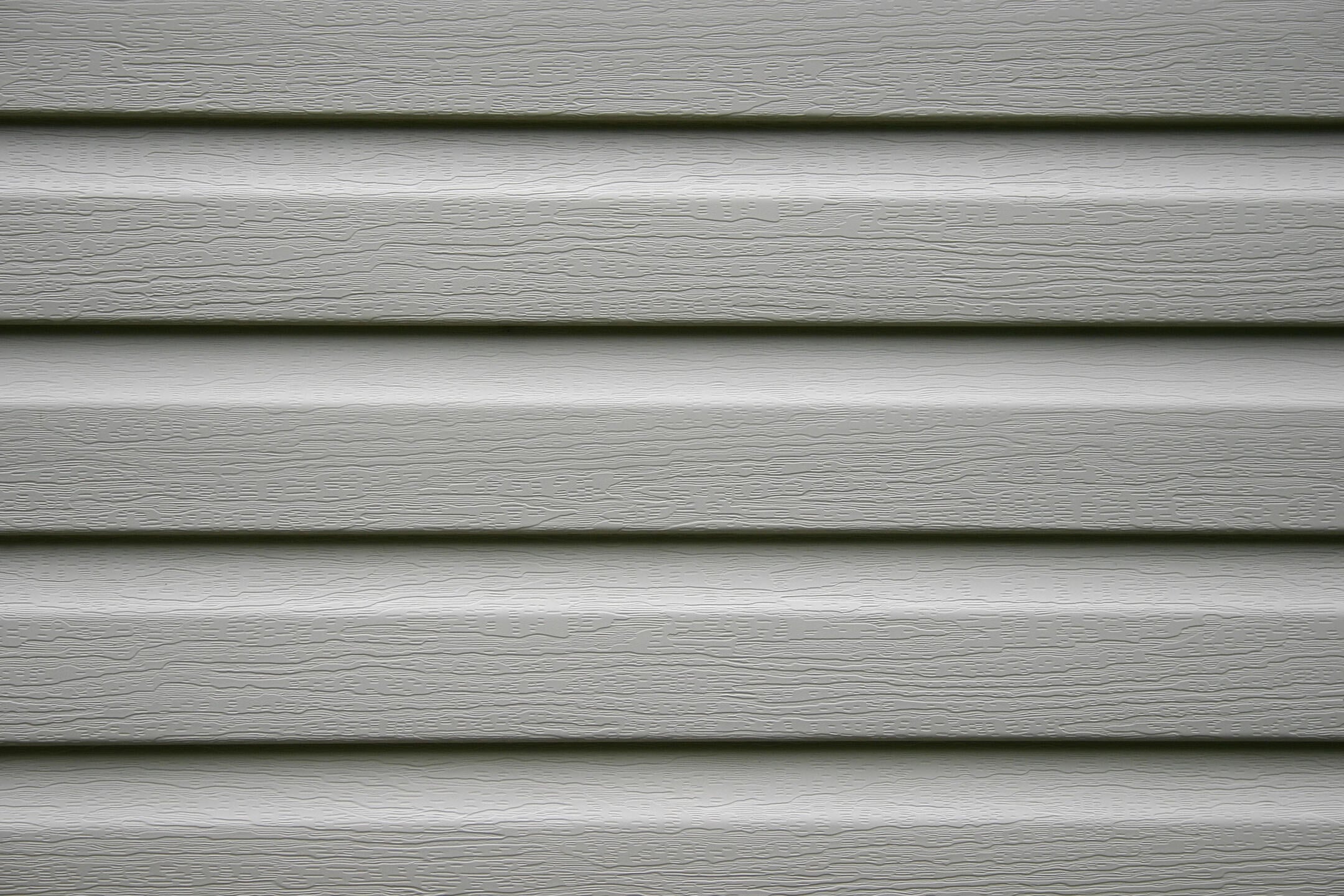
If you love the warm look of natural wood but dread the upkeep, engineered wood siding may be the answer you have been looking for. Made from wood fibers bonded with resins and protective treatments, it delivers the charm of real lumber with added strength and weather resistance. As more homeowners compare siding options, understanding this material can help you make a smarter long-term investment. Before choosing a product, it helps to see how the right exterior upgrade can improve both the look and performance of your home.
Here’s a quick preview of what we’ll cover:
- What engineered wood siding is and how it is made
- Eight benefits that make it a popular choice
- Style and finish options to consider
- How it compares to natural wood, vinyl, and fiber cement
- Answers to common homeowner questions
Why Homeowners Are Taking a Fresh Look at Engineered Wood
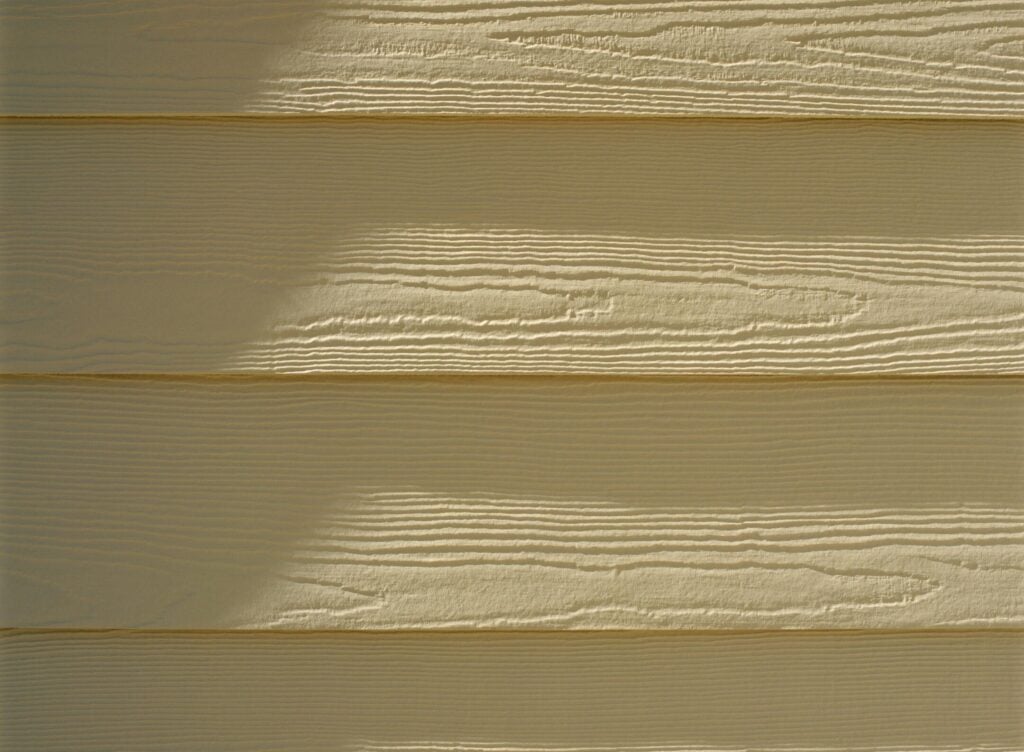
Engineered wood siding is created by combining wood strands or fibers with waxes, resins, and binders, then pressing them into durable boards under heat and pressure. Most products also include a treatment that helps resist moisture, fungal decay, and insects, along with a factory-applied primer or finish. The result is a siding product that looks like traditional wood while addressing many of its weaknesses. For a deeper technical overview, this guide to engineered siding explains how the material is produced and installed.
Here is why it matters to homeowners weighing their options:
- Wood character without the hassle: You get realistic grain and texture without the constant sealing that natural wood requires.
- Budget-friendly performance: It typically costs less than real wood and many premium materials while still offering solid durability.
- Built for changing weather: Treated boards are designed to handle moisture, temperature swings, and everyday impacts.
- Flexible design: It comes in lap, panel, shake, and trim styles that suit nearly any home.
For homeowners in Madison and surrounding areas, where winters are cold and summers can be humid, a siding that balances beauty and toughness is especially valuable. Engineered wood fills that gap for many households looking for an upgrade that makes sense both visually and financially.
8 Benefits of Engineered Wood Siding
Engineered wood has earned its reputation by solving real problems homeowners face with other materials. The benefits below explain why it has become such a common choice for new builds and siding replacements alike.
1. Authentic Wood Appearance
Engineered wood is embossed with a realistic grain pattern that closely mimics natural lumber. From the street, most people cannot tell the difference between engineered boards and real wood. That makes it a strong option for homeowners who want a classic, natural look.
2. Lower Cost Than Natural Wood
Because it is made from wood strands and fibers rather than solid boards, engineered siding uses raw material more efficiently. That efficiency usually translates into a lower price than cedar or other premium wood species, making the wood look more accessible.
3. Strength and Impact Resistance
The resin-bonded construction gives engineered wood impressive toughness. It holds up well against everyday bumps, flying debris, and hail, which is a real advantage in areas that see strong spring and summer storms.
- Resists dents better than many vinyl products
- Less prone to cracking than some brittle materials
- Holds its shape under normal impacts
4. Protection Against Moisture and Insects
Most engineered wood products are treated during manufacturing to help resist fungal decay and termites. When combined with proper installation and a sealed surface, this protection helps the siding perform well in wet and humid conditions.
5. Longer Boards With Fewer Seams
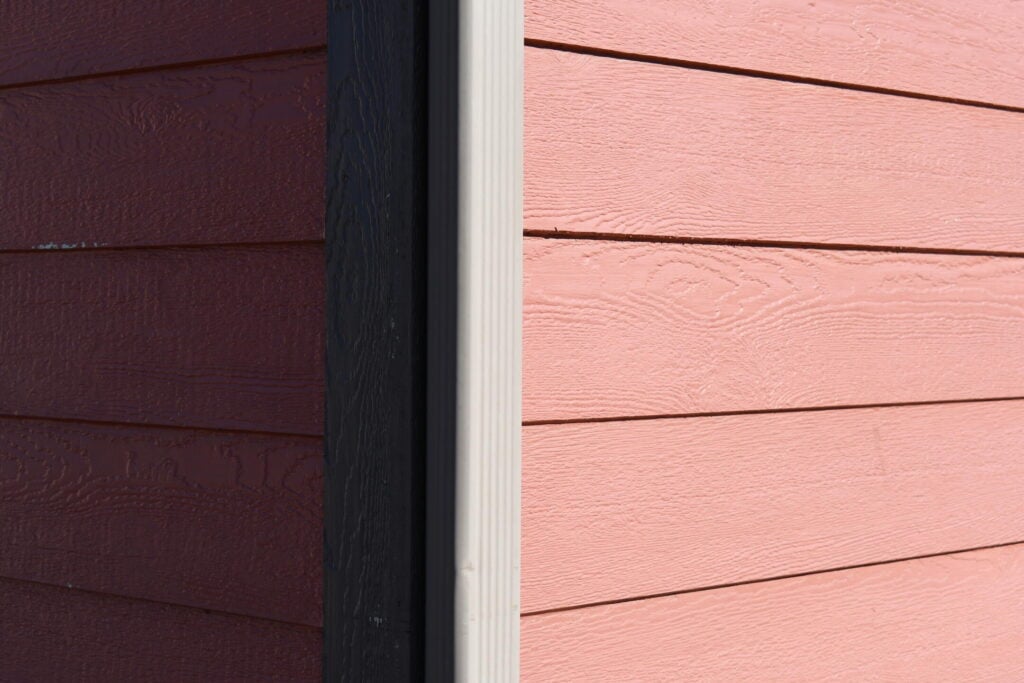
Engineered wood lap siding is commonly sold in long boards, often up to 16 feet. Longer lengths mean fewer seams across your walls, which creates a cleaner appearance and reduces the number of joints where water could find its way in.
6. Lighter and Easier to Work With
Compared to fiber cement, engineered wood is lighter and can be cut with standard woodworking tools. This makes handling easier for installation crews and can help keep labor time and costs in check.
7. Lower Maintenance With Factory Finishes
Many engineered wood products come pre-primed or prefinished in a wide range of colors. Factory finishes are applied in controlled conditions, which helps them bond evenly and resist fading. Upkeep usually involves occasional cleaning and touching up any chips or exposed edges.
8. A More Sustainable Use of Wood
Engineered siding makes use of smaller, fast-growing trees and wood fibers that might otherwise go to waste. For eco-conscious homeowners, it offers a way to enjoy a wood look while using resources more efficiently.
Each of these benefits adds value on its own, but together they make engineered wood a well-rounded siding choice. It is no surprise that more homeowners in Madison and surrounding areas are adding it to their shortlist when planning exterior projects.
Style and Finish Options to Explore
One of the best parts of choosing engineered wood is the wide range of design possibilities. Whether your home is traditional, modern, or somewhere in between, there is likely a style that fits your vision.
- Lap siding: The most popular profile, with horizontal boards that create a timeless, clean look suitable for almost any home style.
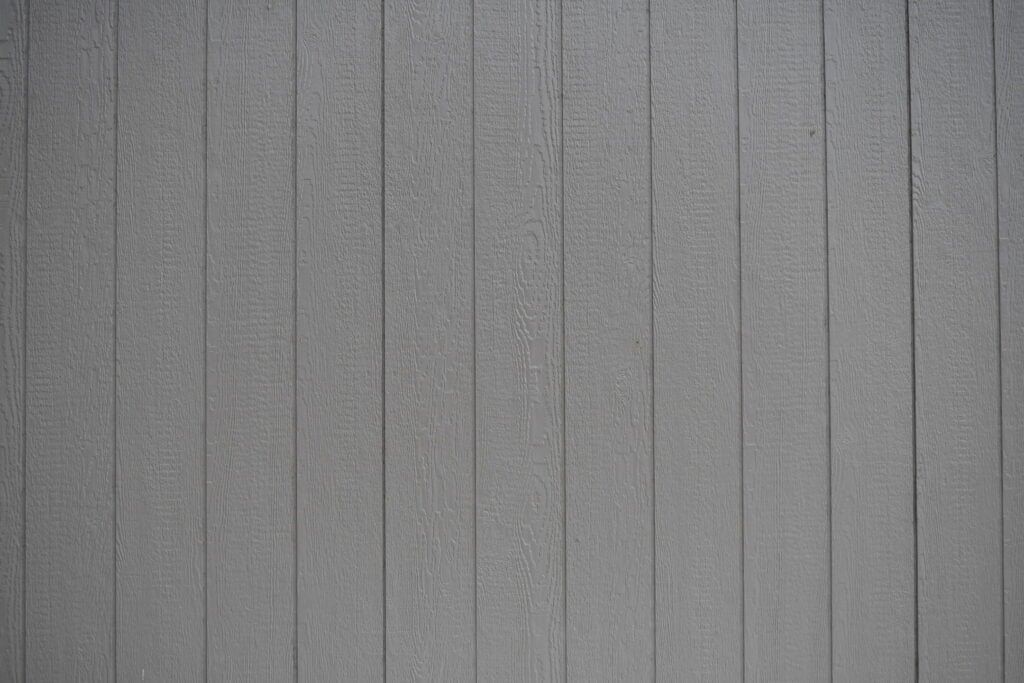
- Board and batten panels: Vertical panels with battens add height and a modern farmhouse feel, especially on gables or entire facades.
- Shake and shingle styles: Textured shake profiles bring cottage or craftsman charm without the upkeep of real cedar.
- Trim and fascia: Matching trim boards create a cohesive finish around windows, doors, corners, and rooflines.
- Primed or prefinished boards: Primed siding lets you choose any custom paint color, while prefinished boards arrive ready to install with a durable factory coating.
Mixing profiles is another way to add visual interest. For example, combining lap siding on the main walls with shakes or board and batten on gables gives your home dimension and a custom look. Planning these details early helps you balance style with budget and keeps your project running smoothly.
How Engineered Wood Compares to Other Siding Materials
No single siding material is perfect for every home, so it helps to see how engineered wood stacks up against the alternatives. Each option has its own strengths, and the right choice depends on your priorities for appearance, durability, maintenance, and cost.
Engineered Wood vs. Natural Wood
Natural wood offers unmatched authenticity, but it requires regular staining or sealing and can be vulnerable to rot and insects. Engineered wood provides a very similar look with added treatments, more consistent boards, and generally lower maintenance demands.
Engineered Wood vs. Vinyl
Vinyl is typically the most budget-friendly option and requires very little maintenance. However, it can look less authentic, may crack in extreme cold, and is more prone to denting. Engineered wood offers a richer, more natural appearance and better impact resistance.
Engineered Wood vs. Fiber Cement
Fiber cement is known for excellent fire and moisture resistance, but it is heavier, harder to cut, and often more expensive to install. Engineered wood is lighter and easier to work with, though it needs proper sealing and ground clearance to perform its best.
Installation Details That Make a Difference
Even the best siding can fail if it is installed incorrectly. With engineered wood, a few details are especially important:
- Sealing all cut edges to keep moisture out
- Maintaining proper clearance from the ground, roofs, and decks
- Using the right fasteners and spacing for expansion
- Following the manufacturer’s guidelines to protect your warranty
Working with an experienced contractor ensures these details are handled correctly from day one. Proper installation protects your investment and helps your new siding look great for many years.
Frequently Asked Questions About Engineered Wood Siding
Homeowners often have a few questions before deciding whether engineered wood is the right fit. Here are clear answers to some of the most common ones.
How long does engineered wood siding last?
With proper installation and regular care, engineered wood siding can last for decades. Many manufacturers back their products with long-term warranties, though coverage varies by brand and depends on following installation guidelines.
Is engineered wood siding waterproof?
It is not fully waterproof, but it is treated to resist moisture and decay. Sealing cut edges, keeping the paint or finish in good shape, and maintaining ground clearance all help keep water from causing problems.
Can engineered wood siding be painted?
Yes. Primed boards are designed to be painted in any color you choose, and prefinished boards can be repainted later if you want to update your home’s look.
Does engineered wood siding hold up in cold climates?
Yes, it performs well in cold weather and handles freeze and thaw cycles better than some materials when installed correctly. Its impact resistance is also helpful during hail and winter storms.
What maintenance does engineered wood siding need?
Plan on gentle cleaning once or twice a year, along with periodic inspections for chips, cracks, or exposed edges. Touching up damaged areas promptly keeps moisture from getting into the boards.
If you still have questions, a local siding professional can walk you through product options and what makes sense for your home. Getting expert guidance early helps you avoid surprises and choose with confidence.
Upgrade Your Home With Siding Built to Last
Engineered wood siding offers a smart balance of natural beauty, durability, and value, making it a strong option for many homes. With the right product and careful installation, it can boost curb appeal and protect your home through every season. Classic Construction helps homeowners in Madison and surrounding areas choose and install siding that fits their style, budget, and climate. If you are ready to explore engineered wood for your home, contact us today to start planning your project.


