

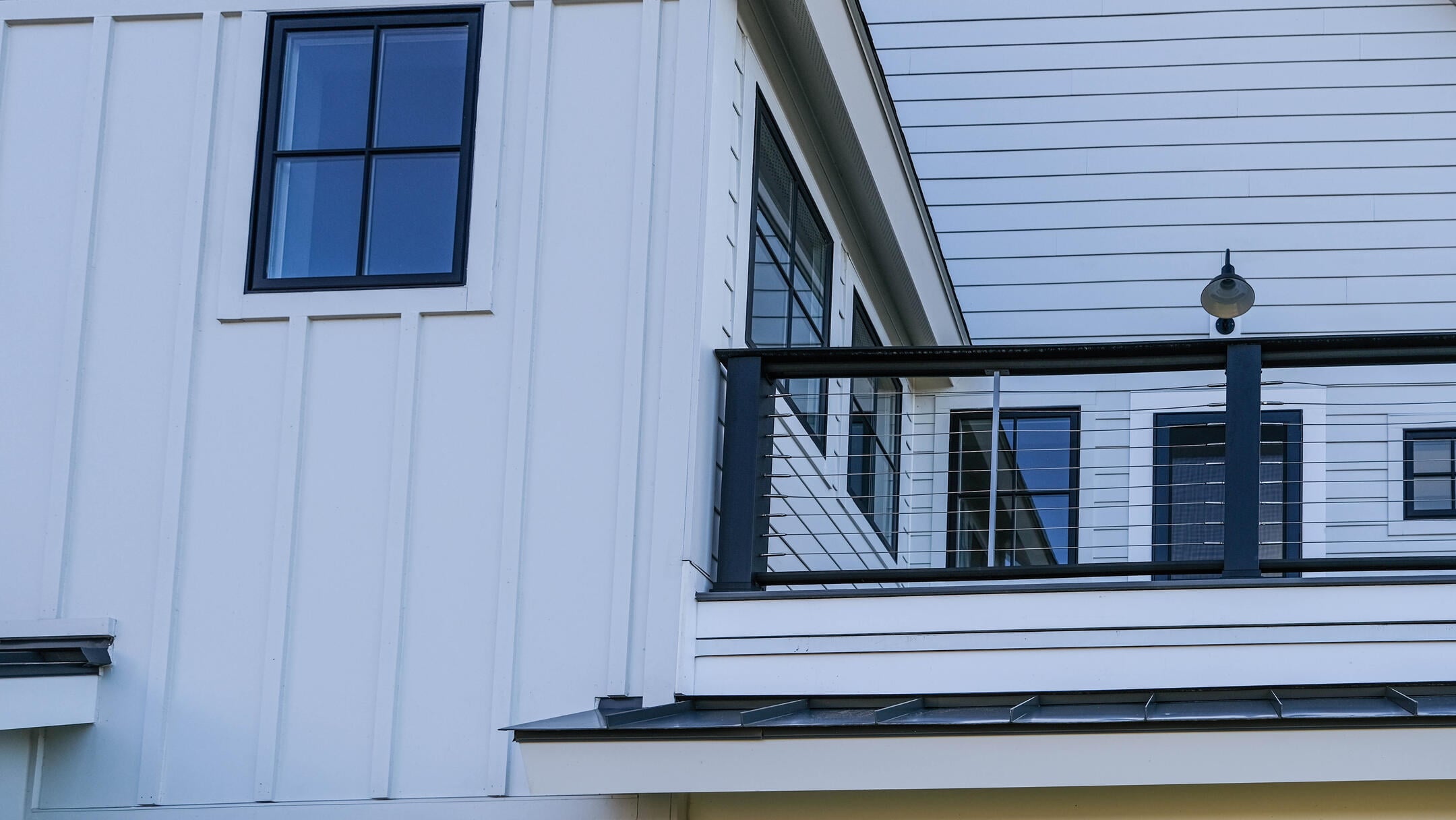
Fiber cement has become one of the most popular siding choices for homeowners who want durability, fire resistance, and a classic look that lasts. But before you commit, it is important to understand what goes into fiber cement siding cost and why it often lands above vinyl and below premium wood or stone. When you know where your money goes, it becomes much easier to read quotes, plan your budget, and choose upgrades wisely. A clear picture of pricing is the first step toward a long-lasting new exterior you will be proud of.
Inside this pricing guide, you’ll find:
- Why fiber cement pricing deserves a careful look
- The three main components of every quote
- How long-term value offsets the upfront price
- How fiber cement compares to other materials, plus budget tips
- Answers to common cost questions
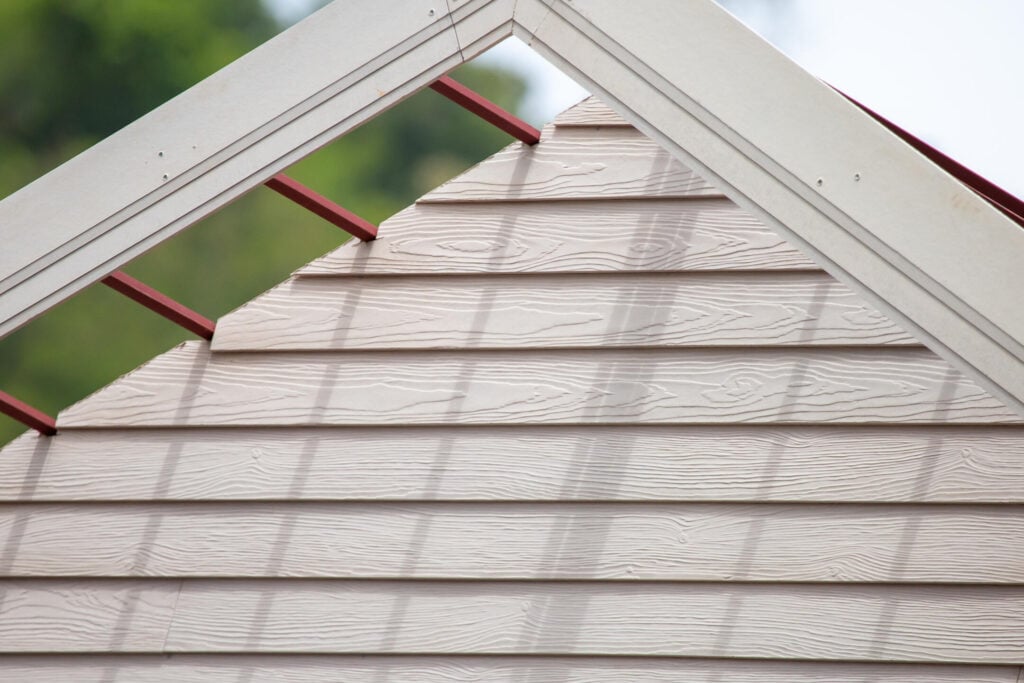
Why Understanding Fiber Cement Pricing Pays Off
Fiber cement is made from a blend of cement, sand, and cellulose fibers, pressed into boards, panels, and shingles that resemble wood. It is heavier and more labor intensive to install than vinyl, which is a big part of why its price looks different from lighter materials. Reviewing typical pricing ranges and cost factors can give you a helpful baseline before you request estimates for your own home.
Here is why taking the time to understand pricing matters:
- Realistic budgeting: Knowing the main cost drivers helps you plan for the full project, not just the siding boards.
- Clearer quote comparisons: When you understand what each line item covers, it is easier to spot gaps or padding in an estimate.
- Better value decisions: You can weigh upfront cost against lifespan, maintenance, and performance instead of focusing on price alone.
- Fewer surprises: Anticipating extras like trim, repairs, and painting keeps your project on track financially.
For homeowners in White Bear Lake and surrounding areas, where siding has to stand up to snow, ice, wind, and summer storms, investing in a durable material often makes good financial sense. Understanding the numbers behind that investment helps you feel confident in your decision.
3 Main Components of Fiber Cement Siding Cost
Every fiber cement estimate can be broken down into three core categories. Looking at each one separately makes it easier to understand where your money goes and where you have room to make adjustments.
1. Materials
Material costs depend on the style, finish, and quality of the fiber cement product you choose. Siding is typically priced by the square foot or by the “square,” which covers 100 square feet of wall area, so the size of your home plays a major role.
Several material choices affect the price:
- Siding style: Lap planks are usually the most economical, while shingles, panels, and specialty profiles often cost more.
- Primed vs. prefinished: Primed boards cost less upfront but need painting after installation. Prefinished boards include a factory-applied color that adds to material cost but saves on painting.
- Texture and thickness: Smooth or wood-grain finishes, as well as thicker boards, can change the price per square.
- Trim and accessories: Matching fiber cement trim, soffits, and corner boards are often priced separately from the main siding.
2. Labor and Installation
Labor is often one of the largest parts of a fiber cement quote. The material is much heavier than vinyl, requires specialized cutting tools and dust control, and usually takes a larger crew to handle safely. These requirements add time and expertise to every project.
Labor costs are influenced by:
- Home size and height: Two-story homes require scaffolding or lifts, which add time and equipment costs.
- Architectural complexity: Gables, dormers, bump-outs, and many windows mean more cuts and detail work.
- Installer experience: Skilled crews may charge more, but proper installation protects your warranty and prevents cracks, gaps, and moisture issues.
- Season and scheduling: Demand and weather conditions can affect timelines and availability.
3. Project Preparation and Extras
Beyond materials and labor, most projects include preparation work and additional items that affect the final total. These extras are easy to overlook but can make a meaningful difference in your budget.
Common extras include:
- Old siding removal and disposal: Tear-off, hauling, and dumpster fees are part of most replacement projects.
- Sheathing and structural repairs: Rot or water damage discovered under old siding must be fixed before new boards go up.
- Weather barrier and flashing: A new house wrap and properly flashed windows and doors help protect your walls from moisture.
- Painting: Primed boards will need paint, which may be priced as a separate line item.
- Permits: Many communities require a permit for siding replacement.
Looking at your estimate through these three categories helps you understand exactly what you are paying for. It also makes it easier to see where small changes, such as choosing a different profile or finish, could adjust your total cost.
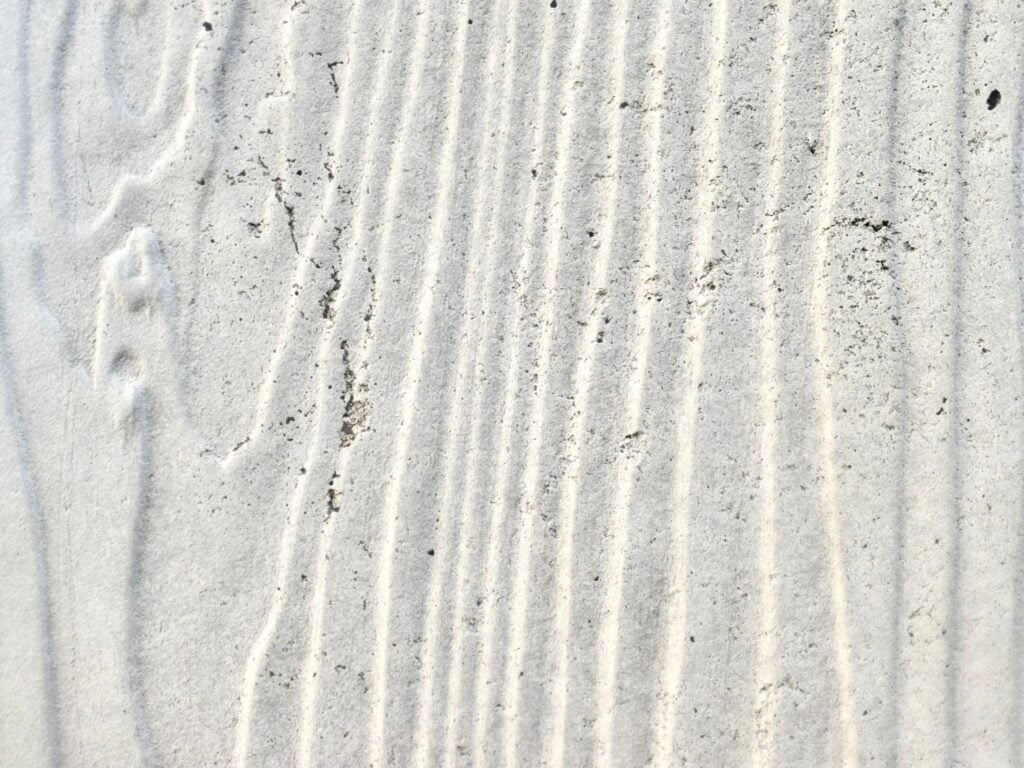
Looking Beyond the Upfront Price
Fiber cement often costs more than vinyl at the start, but upfront price is only part of the story. To understand its true value, it helps to look at how the material performs and what it costs to own over time.
Long Lifespan
Fiber cement is known for its durability. When properly installed and maintained, it can last for decades, often outlasting vinyl and many wood products. A longer lifespan means you may avoid paying for another full replacement for many years.
Lower Maintenance Than Wood
Unlike natural wood, fiber cement resists rot, warping, and insect damage. It does need occasional repainting, but factory finishes are designed to hold color for many years. Routine care usually involves gentle cleaning and checking caulked joints.
Fire and Weather Resistance
Because fiber cement is noncombustible, it offers added peace of mind compared to many other siding options. It also stands up well to hail, wind, and temperature swings, reducing the likelihood of storm-related repairs.
Curb Appeal and Resale
Fiber cement offers the look of painted wood with clean lines and crisp details. That appearance, combined with its reputation for durability, can make a home more attractive to future buyers.
When you factor in lifespan, maintenance, and performance, fiber cement often delivers strong value over the years. The higher upfront investment can pay off through fewer repairs and lasting curb appeal.
How Fiber Cement Compares and Where You Can Save
Comparing fiber cement to other siding materials helps you understand where it fits in terms of cost and performance. Each option has its place, and the best choice depends on your priorities and budget.
Fiber Cement vs. Other Materials
- Vinyl: Generally less expensive to buy and install, with very low maintenance, but less resistant to impacts and fire.
- Engineered wood: Often similar or slightly lower in cost, lighter to install, with a realistic wood look, though it needs careful edge sealing.
- Natural wood: Typically more expensive over time due to frequent staining, sealing, and repairs.
- Brick and stone: Higher upfront cost but extremely durable, often used as accents alongside fiber cement.
Smart Ways to Manage Your Budget
You can keep your project affordable without sacrificing quality by planning carefully:
- Choose lap siding for main walls: Save premium shingles or panels for gables and accent areas.
- Compare primed and prefinished options: Factor in painting costs to see which choice offers the best overall value.
- Request itemized estimates: Detailed quotes make it easier to compare contractors and spot missing items.
- Address repairs early: Fixing small moisture issues before they spread can reduce surprise costs during tear-off.
Thoughtful planning helps you get the most value from your investment. For homeowners in White Bear Lake and surrounding areas, working with an experienced local contractor can make the process smoother and more predictable from start to finish.
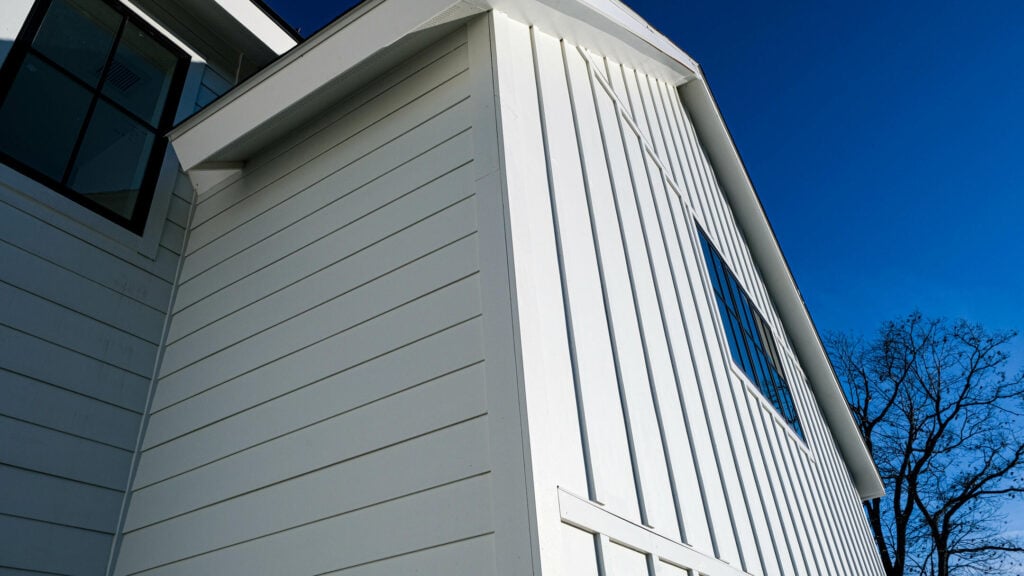
Frequently Asked Questions About Fiber Cement Siding Cost
Homeowners often have similar questions when budgeting for fiber cement siding. Here are clear answers to some of the most common ones.
Is fiber cement siding more expensive than vinyl?
Yes, fiber cement typically costs more than vinyl because the material is heavier, more labor intensive to install, and often requires painting. Many homeowners choose it for its durability, fire resistance, and upscale appearance.
Why is labor such a big part of the cost?
Fiber cement boards are heavy and must be cut with specialized tools while controlling silica dust. Installation also requires careful attention to clearances, fasteners, and flashing, which takes skilled labor.
Does prefinished fiber cement cost more?
Prefinished boards usually cost more upfront than primed boards. However, they can reduce or eliminate the cost of painting after installation, so the overall difference may be smaller than it first appears.
How often does fiber cement need to be repainted?
Repainting frequency depends on the finish, sun exposure, and climate. Factory-applied finishes tend to last longer than field-applied paint, which can help reduce long-term maintenance costs.
Can fiber cement be installed over existing siding?
In most cases, removing the old siding is recommended. Tear-off allows your contractor to inspect and repair the sheathing and install a new weather barrier, which helps your new siding perform its best.
If you have more questions about pricing for your home, a local siding professional can provide a detailed, itemized estimate. Getting expert input early helps you plan with confidence and avoid unexpected costs.
Get an Accurate Estimate for Your Siding Project
Fiber cement offers an excellent balance of durability, style, and long-term value, and understanding its pricing helps you invest wisely. From material choices to labor and project extras, every factor shapes your final cost. Classic Construction helps homeowners in White Bear Lake and surrounding areas plan siding projects with transparent estimates and quality installation built for Minnesota weather. If you are ready to see what fiber cement could cost for your home, contact us today to schedule a consultation.


