

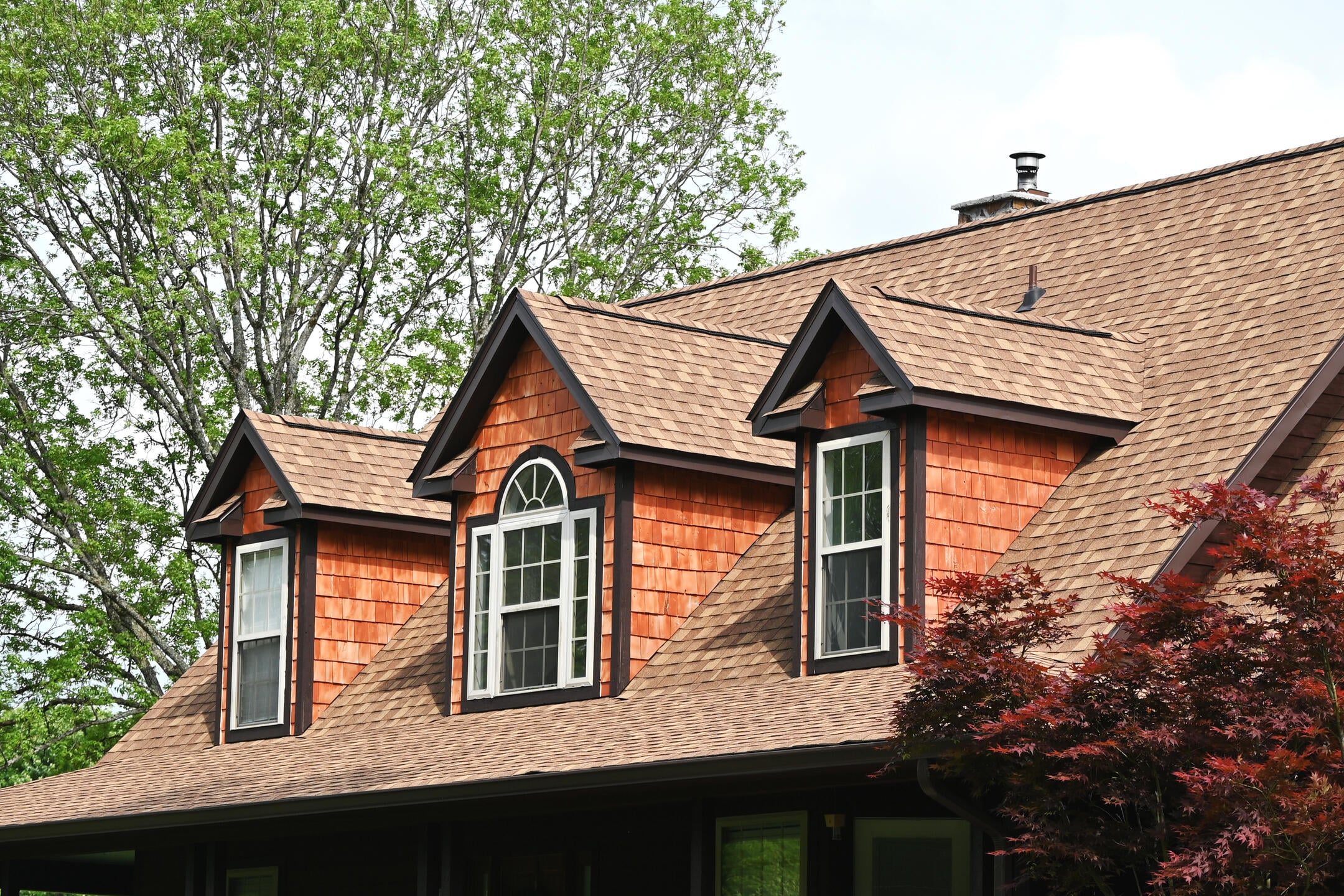
Few exterior materials carry the warmth and natural character of cedar shake siding. Its rough-hewn texture and rich wood tones give a home an inviting, timeless look that manufactured products work hard to imitate. Still, real cedar comes with trade-offs in price, upkeep, and lifespan that every homeowner should understand before committing. Knowing how these pieces fit together makes it easier to plan a siding project that lasts and looks great for years to come.
Here’s what this guide breaks down:
- Why cedar shakes remain a popular exterior choice
- Six factors that shape the total cost
- Style options, patterns, and finishes
- How cedar compares to fiber cement and vinyl shake alternatives
- Answers to common homeowner questions
What Makes Cedar Shakes Worth a Closer Look
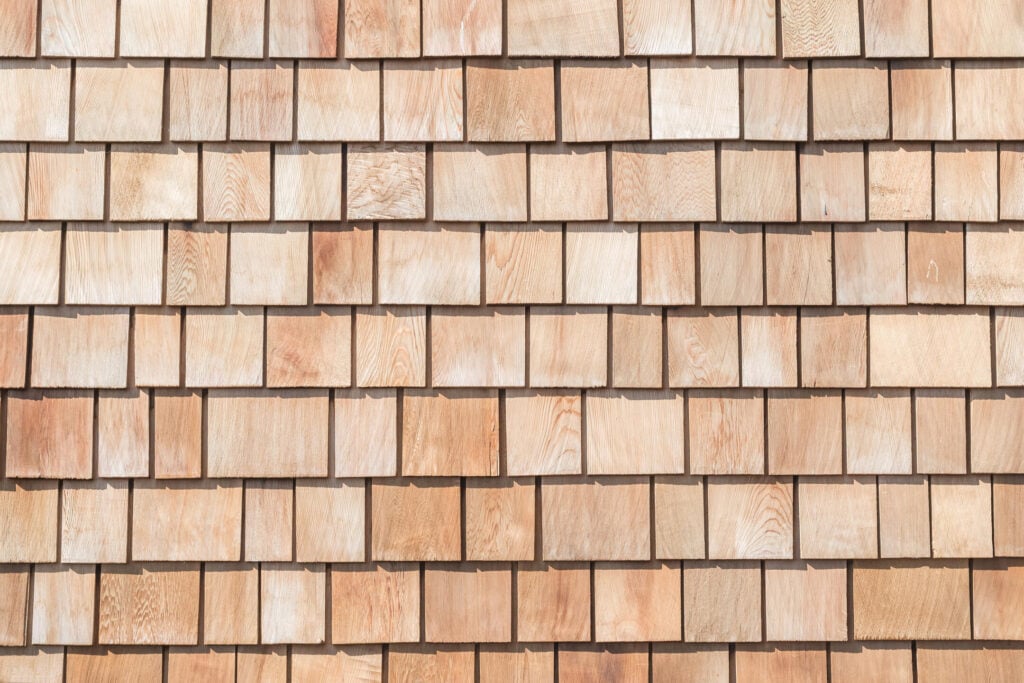
Siding protects your home from the weather, but it also defines how your house looks from the street. Cedar shakes are thick, split or sawn pieces of wood installed in overlapping rows, which creates deep shadow lines and a layered, handcrafted surface. Because each piece varies slightly in grain and color, every wall has a unique look. Getting the most from this material depends on careful, course-by-course installation with proper spacing, fasteners, and moisture protection.
Here is why cedar shakes continue to win homeowners over:
- Natural beauty: Real wood grain and color variation deliver an authentic look that is hard to replicate.
- Built-in resilience: Cedar contains natural oils that help it resist rot and insects better than many other wood species.
- Insulating value: Wood is a natural insulator, adding a modest layer of thermal resistance that works alongside your wall insulation.
- Eco-friendly appeal: Cedar is a renewable, biodegradable material when sourced from responsibly managed forests.
For homeowners in Edina and surrounding areas, where many neighborhoods feature classic architecture and mature trees, cedar shakes blend naturally into the landscape. The material offers a sense of craftsmanship that feels right at home on both historic and newer houses.
6 Factors That Drive Cedar Shake Siding Cost
Cedar sits at the higher end of the siding market, but the final price varies widely from one project to the next. Understanding what influences cost helps you set a realistic budget and compare quotes with confidence.
1. Grade of Cedar
Cedar shakes are graded by quality, which depends on how clear the wood is and where it was cut from the log. Higher grades have fewer knots and a more uniform look, while lower grades show more natural character at a lower price. Many homeowners choose a premium grade for the most visible walls and a more economical grade for areas that get less attention.
2. Shake Type and Thickness
Hand-split shakes have a rugged, irregular surface, while sawn shakes and shingles are smoother and more consistent. Thicker shakes generally cost more but offer better longevity and deeper shadow lines.
3. Size and Shape of Your Home
The more wall area you cover, the more material and labor you will need. Homes with many corners, dormers, gables, and windows require additional cutting and detail work, which adds time to the job. Two-story homes may also need scaffolding or lifts, which can increase labor costs further.
4. Removal of Existing Siding
Most installations start with tearing off the old siding. Removal adds labor and disposal costs, but it also gives your contractor a chance to inspect the sheathing and fix any damage before new material goes up. Skipping this step to save money can trap moisture and shorten the life of your new siding.
5. Finish and Treatment
Cedar can be left to weather naturally, stained, or painted. Pre-finished or factory-treated shakes cost more upfront but can reduce the time and expense of finishing on site.
- Natural weathering: Lowest upfront cost, with a silvery gray look over time
- Semi-transparent stain: Highlights grain while adding color and protection
- Solid stain or paint: Offers the most color control and coverage
6. Labor and Installation Details
Cedar shakes are installed one piece at a time, which makes them more labor intensive than panel siding. Proper installation also calls for a breathable weather barrier, corrosion-resistant fasteners, and attention to ventilation behind the siding. Hiring an experienced crew may cost more upfront, but quality workmanship prevents leaks, warping, and premature replacement.
Taken together, these factors explain why two cedar projects can come in at very different prices. A detailed, itemized estimate from a trusted contractor is the best way to see exactly where your money is going.
Style Options That Bring Cedar Shakes to Life
One of the biggest reasons homeowners choose cedar is the range of looks it can create. With the right pattern and finish, cedar shakes can feel rustic, coastal, traditional, or surprisingly modern.
Shakes vs. Shingles
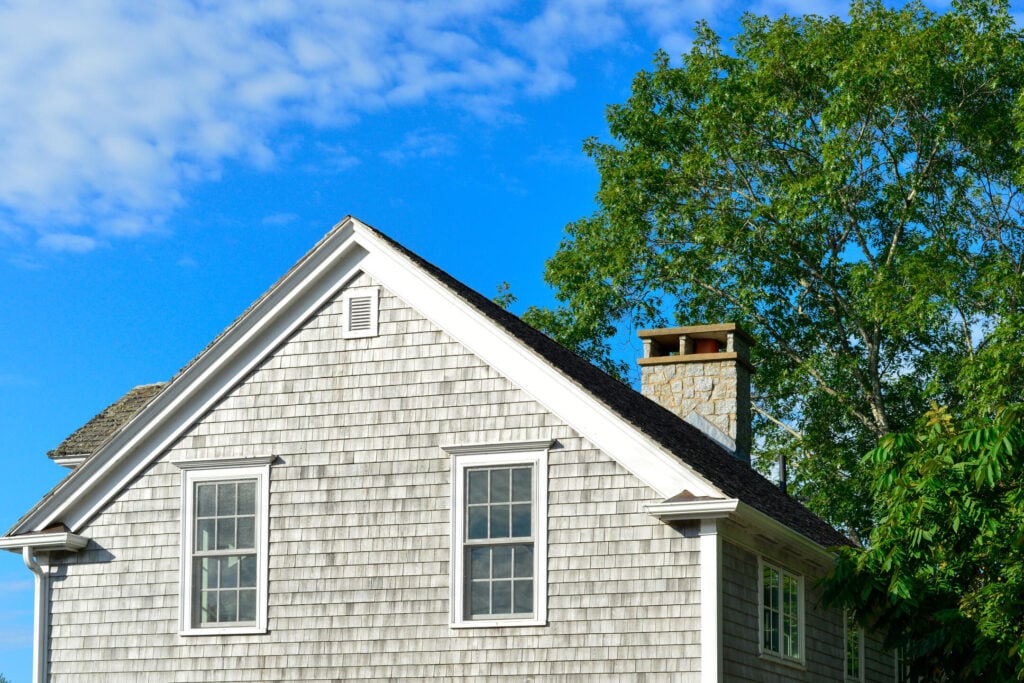
The terms are often used interchangeably, but there is a difference. Shakes are typically thicker with a rougher, split texture, while shingles are thinner, sawn on both sides, and more uniform. Shakes lean rustic, while cedar shingles create a cleaner, more tailored appearance that is a perfect fit for coastal or Cape Cod style homes.
Installation Patterns
The way pieces are arranged has a big impact on the final look:
- Straight line: Even bottom edges create crisp, horizontal lines
- Staggered: Slightly offset edges add texture and a relaxed, organic feel
- Decorative cuts: Fish scale, diamond, and half-cove shapes add charm to gables and accents
Full Cladding or Accent
Cedar shakes can cover an entire exterior, but many homeowners use them on gables, dormers, or porch areas paired with lap siding or stone. This approach delivers the cedar look where it matters most while helping manage overall cost. It also reduces the amount of wood that needs ongoing staining or sealing.
Thinking through these things early helps you create an exterior that matches your home’s architecture. It also makes conversations with your contractor more productive, since you will have a clear vision to share.
Cedar vs. Alternative Shake Materials: Durability Compared
Real cedar is not the only way to achieve a shake look. Fiber cement and vinyl shake products have become popular alternatives, and comparing them side by side helps you pick the balance of beauty, cost, and upkeep that fits your goals.
| Feature | Real Cedar Shakes | Fiber Cement Shakes | Vinyl Shakes |
| Appearance | Authentic wood grain and color variation | Realistic wood texture, uniform color | Molded texture, less natural depth |
| Upfront cost | Higher | Moderate to higher | Lower |
| Maintenance | Regular staining or sealing | Occasional repainting | Occasional cleaning |
| Moisture and rot resistance | Good with proper care | Excellent | Excellent |
| Fire resistance | Lower unless treated | Excellent | Moderate |
| Impact and weather resistance | Good, can split over time | Very good | Can crack in extreme cold |
| Environmental profile | Renewable and biodegradable | Long lasting, made from cement and fibers | Petroleum based |
Tips for Extending Cedar’s Lifespan
If you choose real cedar, a little care goes a long way. With regular attention, cedar shakes can perform well for decades:
- Reapply stain or sealant on the schedule your product and finish call for
- Keep gutters clean so water does not spill onto the siding
- Trim back shrubs and trees to improve airflow and reduce moisture
- Handle repairs promptly by replacing cracked or split shakes to protect the wall behind them
Cold winters, spring storms, and humid summers in Edina and surrounding areas put any siding to the test. Choosing the right material and keeping up with maintenance will help your investment hold its value through every season.
Frequently Asked Questions About Cedar Shake Siding
Homeowners exploring cedar often have similar questions about cost, care, and performance. Here are straightforward answers to some of the most common ones.
How long does cedar shake siding last?
With proper installation and regular maintenance, cedar shakes can last for several decades. Lifespan depends heavily on climate, finish, ventilation, and how consistently the siding is cared for.
Is cedar shake siding more expensive than vinyl?
Yes. Cedar typically costs significantly more than vinyl because of material quality and the labor involved in installing individual pieces. Many homeowners feel the natural beauty and character justify the added investment, especially when the siding is well maintained.
Does cedar shake siding need to be stained?
It does not have to be, since untreated cedar weathers to a soft silver gray. However, staining or sealing helps protect the wood from moisture and UV damage and preserves its original color longer.
Is cedar shake siding a good choice for cold climates?
Cedar handles cold weather well thanks to its natural insulating properties and dimensional stability. Proper installation with a breathable weather barrier is key to preventing moisture problems during freeze and thaw cycles.
Can I use cedar shakes on just part of my home?
Absolutely. Using cedar on gables, dormers, or entryways is a popular way to add character while keeping costs manageable. It pairs especially well with lap siding, board and batten, and stone.
If your question is not answered here, a local siding professional can offer guidance tailored to your home. Expert advice early in the process helps you avoid surprises and choose the right material from the start.
Find the Right Siding Fit for Your Home
Cedar shakes offer unmatched natural beauty, but the right choice depends on your budget, style goals, and willingness to maintain real wood. Whether you want authentic cedar or a low-maintenance alternative with the same look, careful planning and skilled installation make all the difference. Classic Construction helps homeowners in Edina and surrounding areas compare options and complete siding projects built to handle Midwest weather. Ready to explore what cedar shakes could do for your home? Contact us today to get started.


