

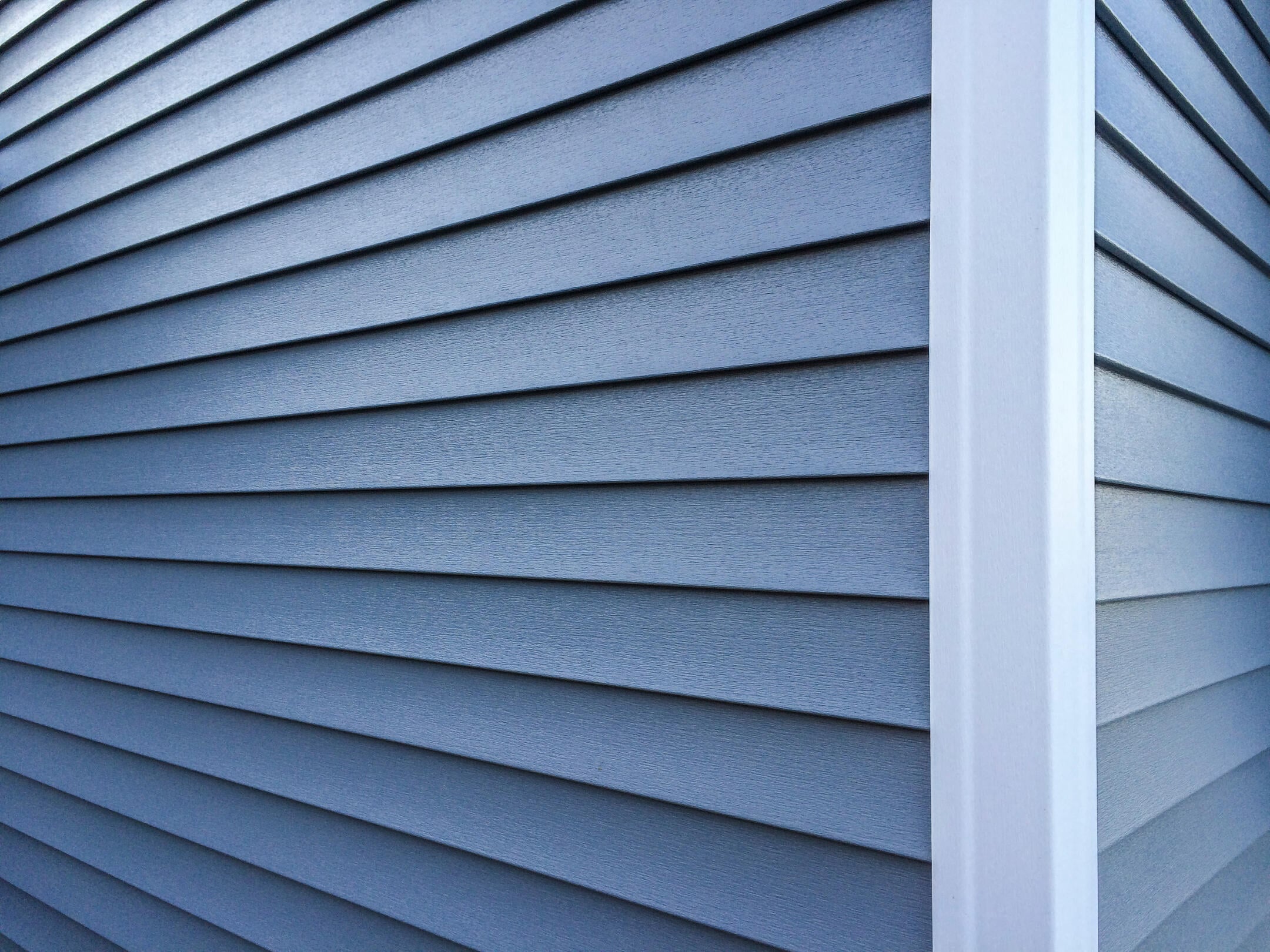
When it is time to replace your siding, the options can feel overwhelming, and one upgrade that often comes up is insulated vinyl siding. It promises better energy efficiency, a sturdier feel, and a quieter home, but it also costs more than standard vinyl. So how do you know whether the extra investment makes sense for your house? Understanding how it works and where it shines will help you plan a siding upgrade that pays off for years to come.
Here’s what you’ll find in this guide:
- What insulated vinyl siding is and how it works
- Four ways it can deliver real value
- When it makes the most sense, and when it may not
- How it compares to standard vinyl
- Answers to common homeowner questions
Why This Upgrade Deserves a Closer Look
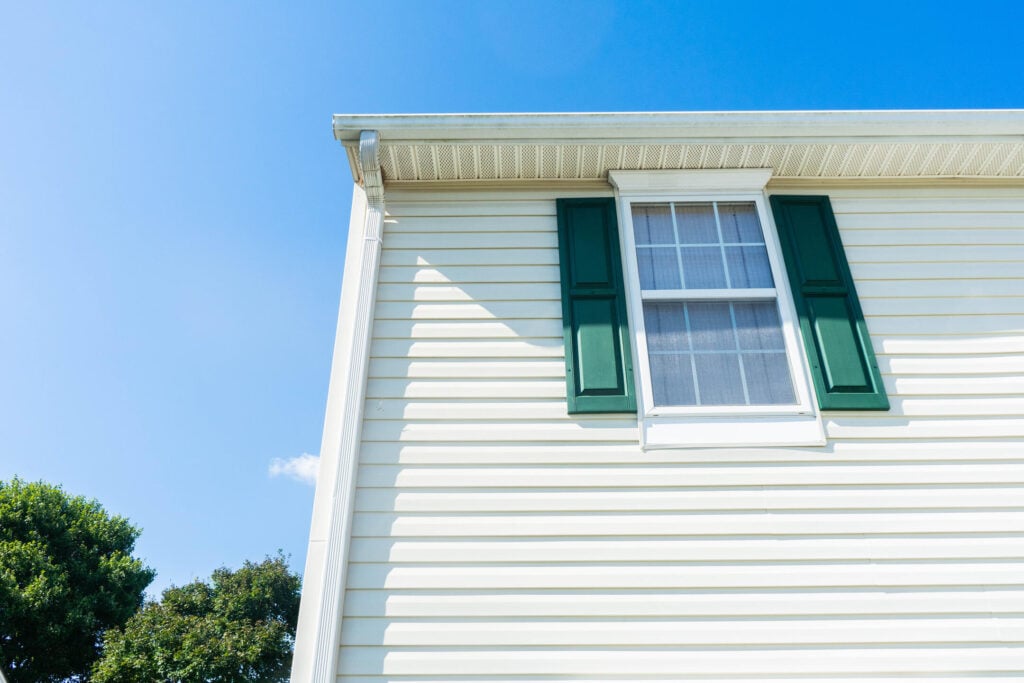
Insulated vinyl siding looks much like traditional vinyl from the street, but the difference is behind each panel. A layer of rigid foam insulation, usually expanded polystyrene, is contoured and bonded to the back of the vinyl. That foam fills the hollow space found behind standard panels, adding support and a continuous layer of insulation across your walls. If you want a balanced overview before deciding, this breakdown of insulated vinyl’s pros and cons is a helpful starting point.
Here is why this choice matters for homeowners:
- Energy savings potential: The foam backing helps reduce heat loss through the wall studs, which can ease the load on your heating and cooling system.
- A stronger exterior: Foam support makes panels stiffer and more resistant to dents and impacts.
- Year-round comfort: Better insulation helps reduce drafts and temperature swings inside your home.
- Long-term value: Durable, low-maintenance siding can protect your home and appeal to future buyers.
In Milwaukee and surrounding areas, long, cold winters and humid summers put real demands on a home’s exterior. That makes the energy and durability benefits of insulated vinyl more noticeable than they might be in milder climates.
4 Ways Insulated Vinyl Siding Pays You Back
The real question is not whether insulated vinyl has advantages, but whether those advantages justify the added cost. These four areas are where most homeowners see the strongest return on their investment.
1. Improved Energy Efficiency
Even well-insulated walls lose heat through the wood studs, a problem known as thermal bridging. Because studs conduct heat more easily than the insulation between them, they create weak spots across your walls. Insulated vinyl siding adds a continuous layer of foam over the entire surface, helping to reduce that heat loss.
- Helps keep warm air inside during winter
- Reduces heat gain from the sun in summer
- Can make heating and cooling systems work less hard
The exact savings depend on your home’s existing insulation, air sealing, and climate, so it is best viewed as one piece of an overall efficiency plan.
2. Greater Durability and Impact Resistance
Standard vinyl panels are hollow behind, which makes them more prone to cracking or denting when hit by hail, baseballs, or yard equipment. The foam backing on insulated siding supports the panel from behind, helping it absorb impacts and hold its shape. Panels also tend to lie flatter and straighter against the wall, reducing the wavy look that sometimes appears on older homes. This added strength can extend the life of the siding and cut down on the need for panel replacements after storms.
3. A Quieter, More Comfortable Home
The foam layer does more than insulate against heat and cold. It also helps dampen outside noise from traffic, neighbors, and wind. Homeowners often notice the interior feels calmer and more consistent in temperature, especially in rooms along exterior walls. Bedrooms, home offices, and living spaces facing the street are often where this improvement is most noticeable.
4. Low Maintenance and Strong Curb Appeal
Like standard vinyl, insulated siding never needs painting or staining. Occasional cleaning with a garden hose or soft brush is usually enough to keep it looking fresh. Many insulated products also come in longer panels and premium profiles, such as wider lap styles that mimic the look of painted wood.
- No scraping, painting, or sealing required
- Wide range of colors and textures
- Clean, straight lines that boost curb appeal
When you add these benefits together, insulated vinyl often makes a strong case for itself over the life of the siding. The key is matching those strengths to your home’s specific needs and your long-term plans.
When Insulated Vinyl Makes the Most Sense
Insulated vinyl is not the right fit for every home, and an honest assessment helps you avoid paying for features you may not need. Thinking about your house, your budget, and how long you plan to stay can point you in the right direction.
- You plan to stay for years: The longer you live in your home, the more time you have to benefit from comfort improvements and potential energy savings.
- Your walls have limited insulation: Older homes with little or no wall insulation often see the most noticeable difference after installation.
- You live in a harsh climate: Areas with cold winters, hot summers, or frequent storms benefit more from added insulation and impact resistance.
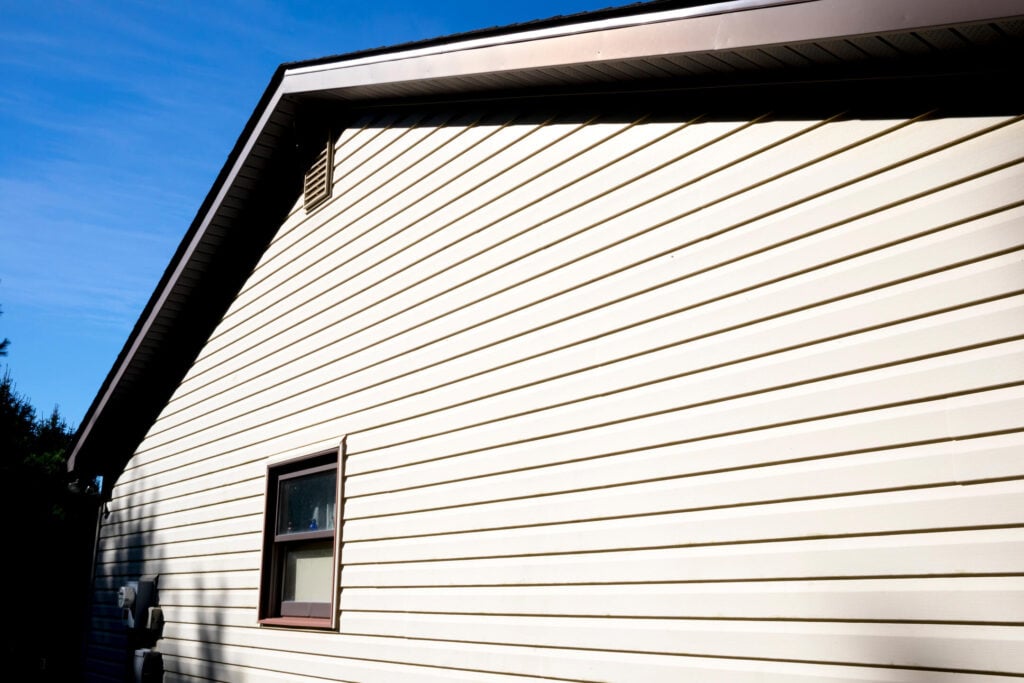
- Your walls are uneven: The rigid foam can help bridge minor imperfections, giving the finished siding a straighter, more polished look.
- Noise is a concern: Homes near busy roads or in dense neighborhoods may appreciate the sound-dampening effect.
On the other hand, it may not be worth the premium if your home already has excellent exterior insulation, if you plan to sell soon, or if your budget is better spent on other upgrades like windows or attic insulation. Insulated siding also does not replace proper wall insulation or air sealing, so it works best as part of a well-rounded approach. A trusted contractor can help you weigh these factors and decide what will deliver the best value for your home in Milwaukee and surrounding areas.
Insulated vs. Standard Vinyl Siding
Seeing the two options side by side makes it easier to understand where the extra cost goes. While both share the same low-maintenance surface, the differences beneath that surface affect performance, comfort, and longevity.
| Feature | Insulated Vinyl Siding | Standard Vinyl Siding |
| Construction | Vinyl panel with bonded foam backing | Hollow vinyl panel |
| Upfront cost | Higher | Lower |
| Energy efficiency | Adds continuous insulation | Minimal insulating value |
| Impact resistance | Stronger, more dent resistant | More prone to cracks and dents |
| Appearance | Flatter, straighter lines | Can look wavy on uneven walls |
| Noise reduction | Noticeable improvement | Limited |
| Maintenance | Low | Low |
Installation Details That Matter
No matter which option you choose, quality installation is what makes siding perform as promised. With insulated vinyl, a few details deserve extra attention:
- Inspecting and repairing sheathing before new siding goes up
- Installing a proper weather-resistant barrier behind the siding
- Allowing room for panels to expand and contract with temperature changes
- Using correctly sized trim and accessories to accommodate the thicker panels
Because insulated panels are thicker than standard vinyl, trim around windows and doors may need adjustments. An experienced installer will plan for these details from the start, so the finished project looks clean and keeps moisture out. Choosing a contractor familiar with insulated products also helps protect your manufacturer warranty and ensures the siding delivers the performance you are paying for.
Frequently Asked Questions About Insulated Vinyl Siding
Homeowners considering this upgrade often have similar questions about performance and value. Here are quick answers to some of the most common ones.
How much more does insulated vinyl siding cost than regular vinyl?
Insulated vinyl costs noticeably more than standard vinyl because of the added foam and the thicker panel profile. The exact difference depends on the product line, the size of your home, and installation details, so an itemized estimate is the best way to compare. Ask contractors to quote both options so you can see the difference clearly.
Does insulated vinyl siding really lower energy bills?
It can help, particularly in homes with limited wall insulation. Results vary based on your climate, existing insulation, and how airtight your home is, so it is best seen as one part of improving overall efficiency.
How long does insulated vinyl siding last?
With proper installation and basic care, insulated vinyl siding can last for decades. The foam backing adds rigidity, which helps panels resist damage and maintain their appearance over time.
Can insulated vinyl siding trap moisture?
When installed correctly over a quality weather barrier, it is designed to allow moisture to drain and the wall to dry. Proper flashing and installation practices are essential to avoid moisture problems.
Can insulated vinyl siding be installed over existing siding?
In some cases it can, but removing the old siding is usually the better choice. Removal allows your contractor to inspect the sheathing, repair any damage, and install a fresh weather barrier.
If you have more questions, a local siding professional can evaluate your home and help you decide whether insulated vinyl is the right choice. Expert guidance makes it easier to invest with confidence.
Make a Smart Siding Investment for Your Home
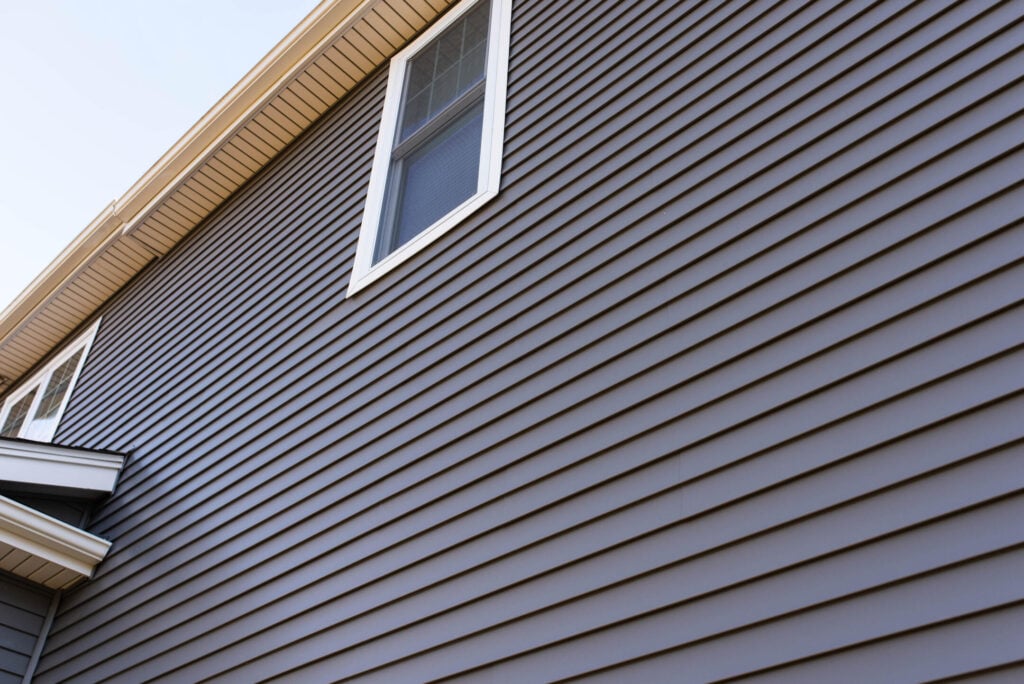
Insulated vinyl siding offers a compelling mix of comfort, durability, and low maintenance, especially for homeowners who plan to stay put and face demanding weather. Whether it is worth the investment depends on your home’s needs, but for many households, the long-term benefits outweigh the higher upfront cost. Classic Construction helps homeowners in Milwaukee and surrounding areas compare siding options and complete installations built to last. If you are ready to explore insulated vinyl for your home, contact us today to schedule a consultation.


