

Understanding the different types of commercial roofing systems is essential for any property owner planning a new roof installation, replacement, or major repair. Each commercial roof system offers a unique balance of cost, durability, energy efficiency, and lifespan, which means the right choice depends heavily on your building, climate, and long-term goals. This guide breaks down the five most common commercial roofing systems in 2026 so you can make a smart, informed decision for your property.
- Performance needs: Each commercial roofing system performs differently in weather, foot traffic, and chemical exposure.
- Budget considerations: Material and installation costs vary widely across commercial roofing options.
- Building requirements: Roof slope, size, and use determine which commercial roof system fits best.
Why Choosing the Right Commercial Roof System Matters
Selecting the correct commercial roofing system has long-term consequences for your building, your budget, and your day-to-day operations. The wrong roof can lead to higher energy bills, frequent repairs, and a shorter lifespan, while the right system can protect your property for decades.
Long-Term Cost and Performance
A commercial roof is one of the largest investments a property owner will make, which means small differences in performance can translate into large differences in lifetime cost. A well-matched commercial roofing system reduces maintenance, lowers utility bills, and protects the structure beneath it. Making the right choice up front helps you avoid premature replacements and unexpected repair expenses down the road.
- Lifespan: Different commercial roofing systems can last anywhere from 15 to 60 years depending on material.
- Energy efficiency: Reflective and insulated systems can lower heating and cooling costs significantly.
- Maintenance demands: Some commercial roofs require more frequent inspections and upkeep than others.
Matching the System to the Building
Not every commercial roofing material works for every building. Factors like roof slope, structural load capacity, climate, and how the building is used all influence which system will perform best over time. A commercial roofing contractor can help match the system to your specific property to avoid costly mismatches.
- Roof slope: Flat and low-slope roofs require different systems than steep-slope commercial buildings.
- Climate exposure: Hail, wind, snow, and UV all affect commercial roofing performance.
- Building use: Restaurants, warehouses, and offices each place different demands on a commercial roof.
5 Common Types of Commercial Roofing Systems
Below are the five most common commercial roofing systems used on flat, low-slope, and sloped buildings in 2026, though the roofing industry also includes niche options such as green roofs, roof coatings, and spray polyurethane foam. Roof type and slope are key factors when choosing the right roofing system for different commercial properties.
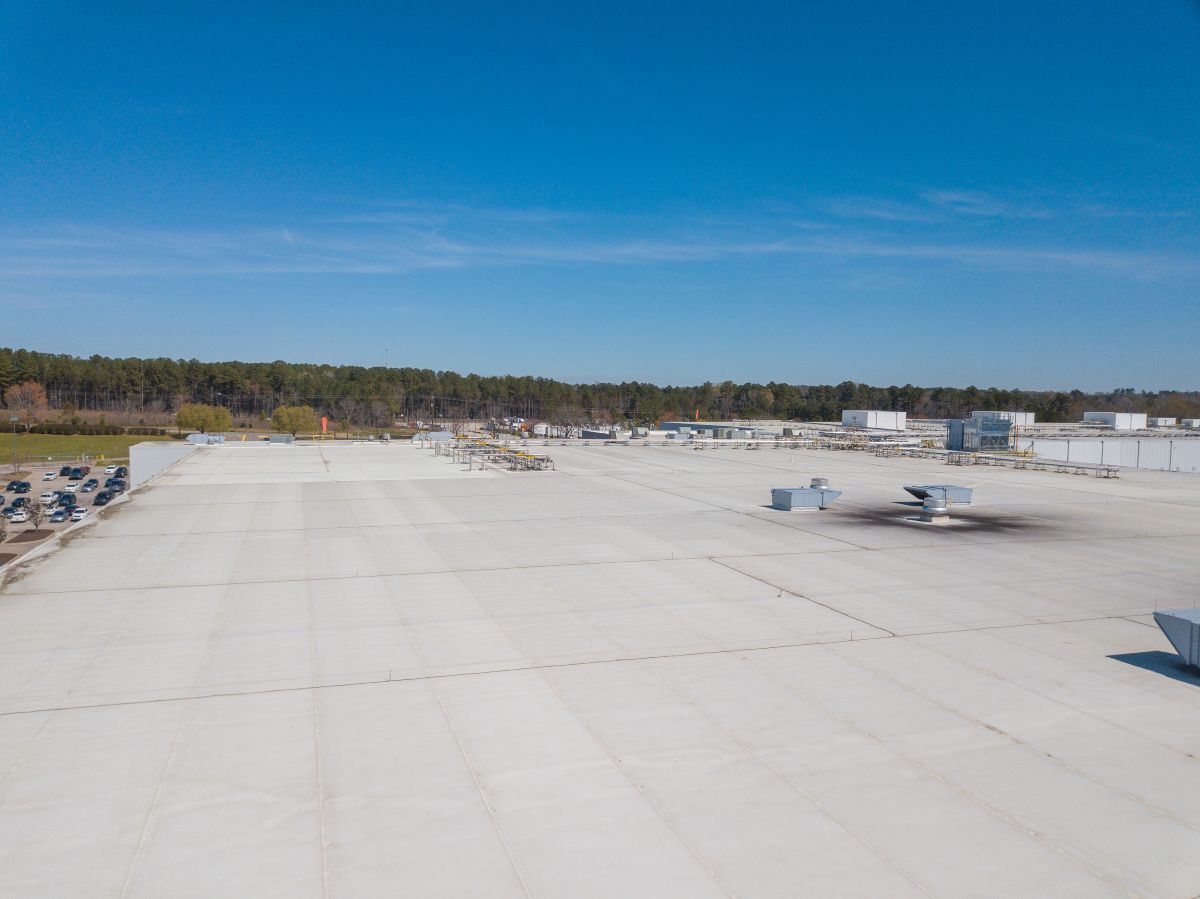
- TPO roofing: Thermoplastic polyolefin, or TPO roofing, is one of the most popular commercial roofing systems on the market today. It is a single-ply membrane known for its reflective white surface, strong energy efficiency, and resistance to UV rays and chemical exposure. TPO roofs typically last 20 to 30 years and offer a balanced mix of cost and performance. This commercial roofing system is a strong choice for low slope commercial roofs, while steep slope roofs usually call for different materials and detailing.
- EPDM roofing: Ethylene propylene diene monomer, or EPDM rubber roofing, is a durable single-ply membrane that has been used on commercial buildings for more than 50 years. EPDM commercial roofing is known for its flexibility, weather resistance, and reliable performance in cold climates. It is available in black or white and typically lasts 25 to 30 years with proper maintenance. EPDM is a smart commercial roofing option for property owners who want a proven, cost-effective solution for flat roofs.
- PVC roofing: Polyvinyl chloride, or PVC roofing, is a heat-welded single-ply commercial roofing system known for exceptional durability and chemical resistance. PVC roofs perform especially well on restaurants, manufacturing facilities, and other commercial buildings exposed to grease, oils, or harsh chemicals. This commercial roofing system typically lasts 20 to 30 years and offers excellent waterproofing through fully welded seams. PVC is a premium choice for buildings that need high performance in demanding environments.
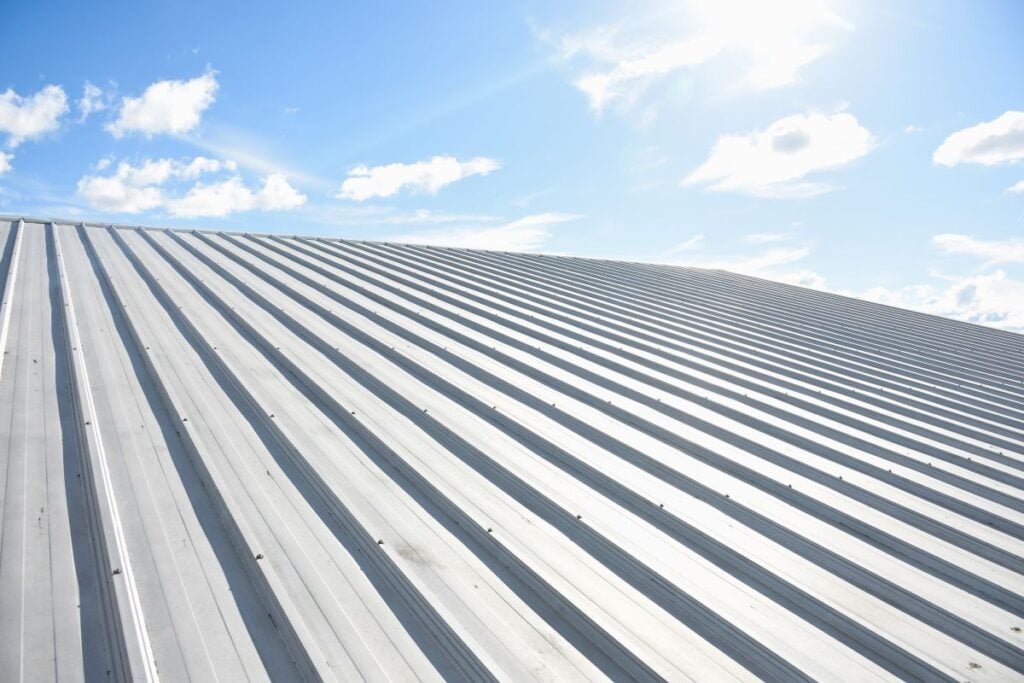
- Metal roofing: Commercial metal roofing is one of the most durable and longest-lasting commercial roof systems available. Standing seam metal roofs, in particular, offer a sleek modern appearance, excellent water shedding, and lifespans of 40 to 60 years. Metal roofing performs well in Midwest weather, including heavy snow, wind, and hail, which makes it a strong option for commercial buildings in Minnesota and Wisconsin. This system has a higher upfront cost but delivers long-term value through reduced maintenance and replacement.
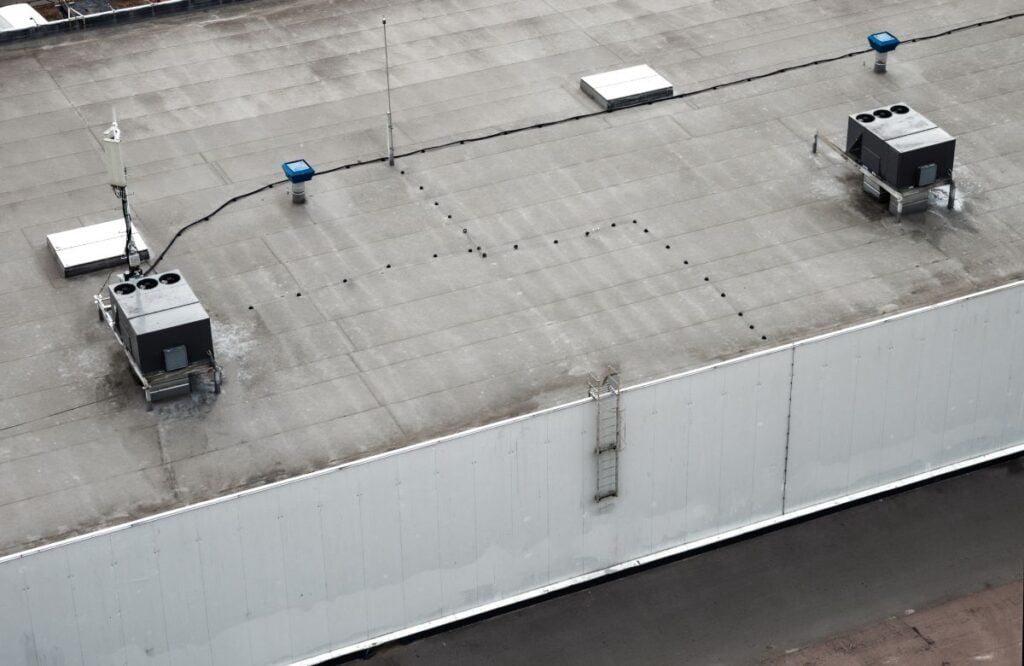
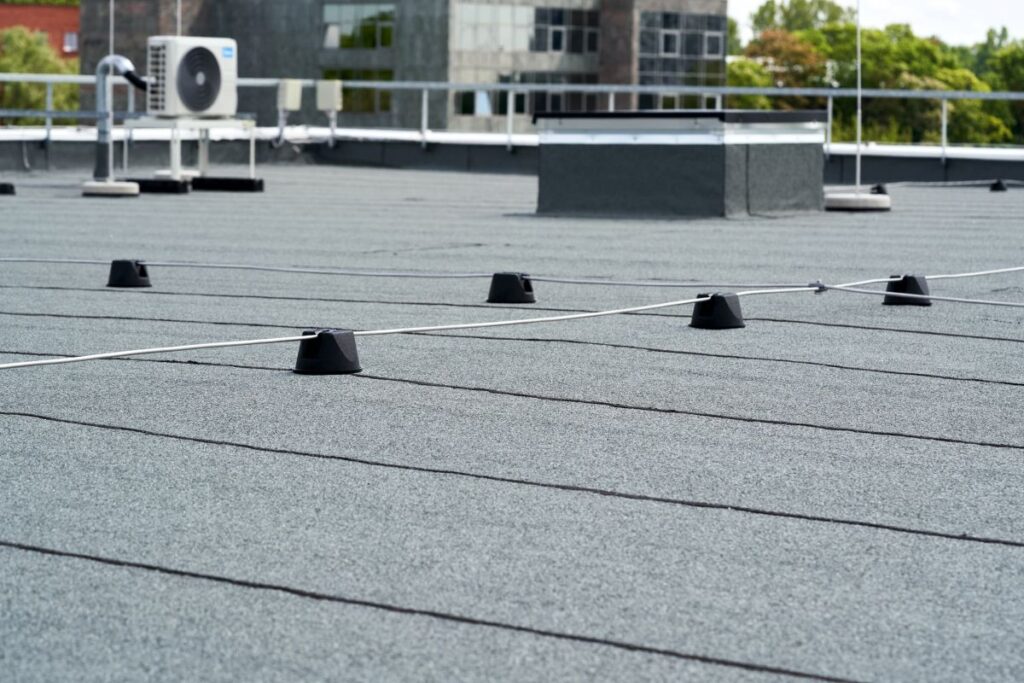
- Built-up and modified bitumen roofing: Built-up roofing, often called BUR, and modified bitumen roofing are multi-layer commercial roofing systems that have been used on flat roofs for decades. These systems combine layers of asphalt, reinforcement, and surfacing materials to create a thick, durable barrier against water and weather. They typically last 20 to 30 years and provide excellent protection for buildings with heavy rooftop foot traffic or mechanical equipment. Built-up and modified bitumen are reliable choices for property owners who prioritize redundancy and proven performance.
Key Features to Compare Across Commercial Roofing Systems
When evaluating different commercial roofing systems, it helps to compare them across the same set of features. This makes it easier to weigh tradeoffs and choose the system that best fits your building and budget.
Durability and Lifespan
Durability and lifespan are two of the most important factors to compare when choosing a commercial roofing system. A longer-lasting commercial roof reduces how often you have to plan and budget for a full replacement. The right system protects your building from leaks, weather damage, and wear over decades of service.
- Lifespan range: Most commercial roofing systems last between 20 and 60 years depending on material.
- Weather resistance: Hail, wind, and snow resistance vary across commercial roof systems.
- Wear and tear: Foot traffic and rooftop equipment can shorten the life of certain systems.
Energy Efficiency and Insulation
Energy efficiency is increasingly important for commercial property owners looking to reduce operating costs and meet local code requirements. The right commercial roofing system can significantly lower heating and cooling expenses, which adds long-term value to your investment. Reflective surfaces and high-performance insulation both play a role in overall energy performance. Membrane reinforcement also affects puncture resistance and dimensional stability, which matters for long-term performance because the weatherproofing layer is the most important element, the core weatherproofing component that helps prevent water intrusion.
- Reflective surfaces: White TPO and PVC roofs reflect sunlight and can provide solar reflectivity, increased solar reflectivity, uv protection, hail resistance, traffic and hail resistance, increased fire resistance, and other benefits through the surfacing, while many assemblies are also fire resistant.
- R-value: Insulation thickness affects how well your commercial roof retains heat in winter.
- Wear and tear: Modified bitumen is highly durable, often lasts over 20 years, and is highly resistant to impact and tear damage, making it a strong option where heavy foot traffic is expected.
- Code compliance: Many municipalities now require energy-efficient roofing on new commercial buildings.
Installation and Maintenance Costs
Upfront installation cost is only part of the equation when evaluating commercial roofing systems. Ongoing maintenance, repair frequency, and overall lifespan all factor into your true cost of ownership. A slightly higher initial investment often pays off through reduced long-term expenses.
- Installation cost: TPO and EPDM tend to be more affordable, while PVC and metal cost more upfront.
- Repair frequency: Some commercial roofing systems require more inspections and minor repairs.
- Total cost of ownership: Long-lasting materials often deliver the best long-term value.
How to Choose the Right Commercial Roofing System for Your Building
Selecting the right commercial roofing system is one of the most important decisions a property owner can make. The best choice depends on a combination of your building, your climate, your budget, and your long-term plans for the property.
Work With an Experienced Commercial Roofing Contractor
The contractor you choose has just as much impact on your roof’s performance as the material itself. An experienced commercial roofing contractor will evaluate your building, review your goals, and recommend the system that delivers the best long-term value. The right team also ensures proper installation, which protects your warranty and extends the life of your roof.
- Local expertise: Contractors familiar with Minnesota and Wisconsin weather understand which systems perform best.
- System specialization: Many contractors specialize in specific commercial roofing systems like TPO, PVC, or metal.
- Strong references: A reputable commercial roofing company will have a track record of successful projects.
Plan for the Future
A commercial roof is a long-term investment, so it makes sense to plan for the future rather than the next few years, and building owners should choose a contractor with direct experience in the systems they install. Consider how long you plan to own the building, how you use the space, and how the system fits into your overall property strategy, especially if you are weighing longer-horizon options like green roofs for added insulation, stormwater management, and energy efficiency. Thinking ahead helps you avoid early replacements and align your roof with your broader business goals.
- Ownership timeline: Longer ownership often justifies investing in premium commercial roofing systems.
- Future expansion: Plan for added rooftop equipment, solar, or building additions.
- Warranty coverage: Strong warranties protect your investment for decades, and proper installation helps preserve that coverage while allowing the roof to perform as intended once installed.
Find the Right Commercial Roofing System With Classic Construction
Choosing from the many types of commercial roofing systems can feel overwhelming, but the right partner makes the process clear and straightforward. Whether you are leaning toward TPO, EPDM, PVC, metal, or built-up roofing, the most important step is working with a contractor who understands your building, your goals, and your local climate. The right commercial roofing system protects your property, lowers your operating costs, and delivers long-term value for years to come.
At Classic Construction, we specialize in installing high-quality commercial roofing systems across Minnesota and Wisconsin. Our team brings deep expertise in every major commercial roof system, expert craftsmanship, and a commitment to delivering lasting results. If you are ready to explore the right commercial roofing system for your property, contact Classic Construction today to schedule a free roof inspection and get a clear, accurate recommendation for your building.


