

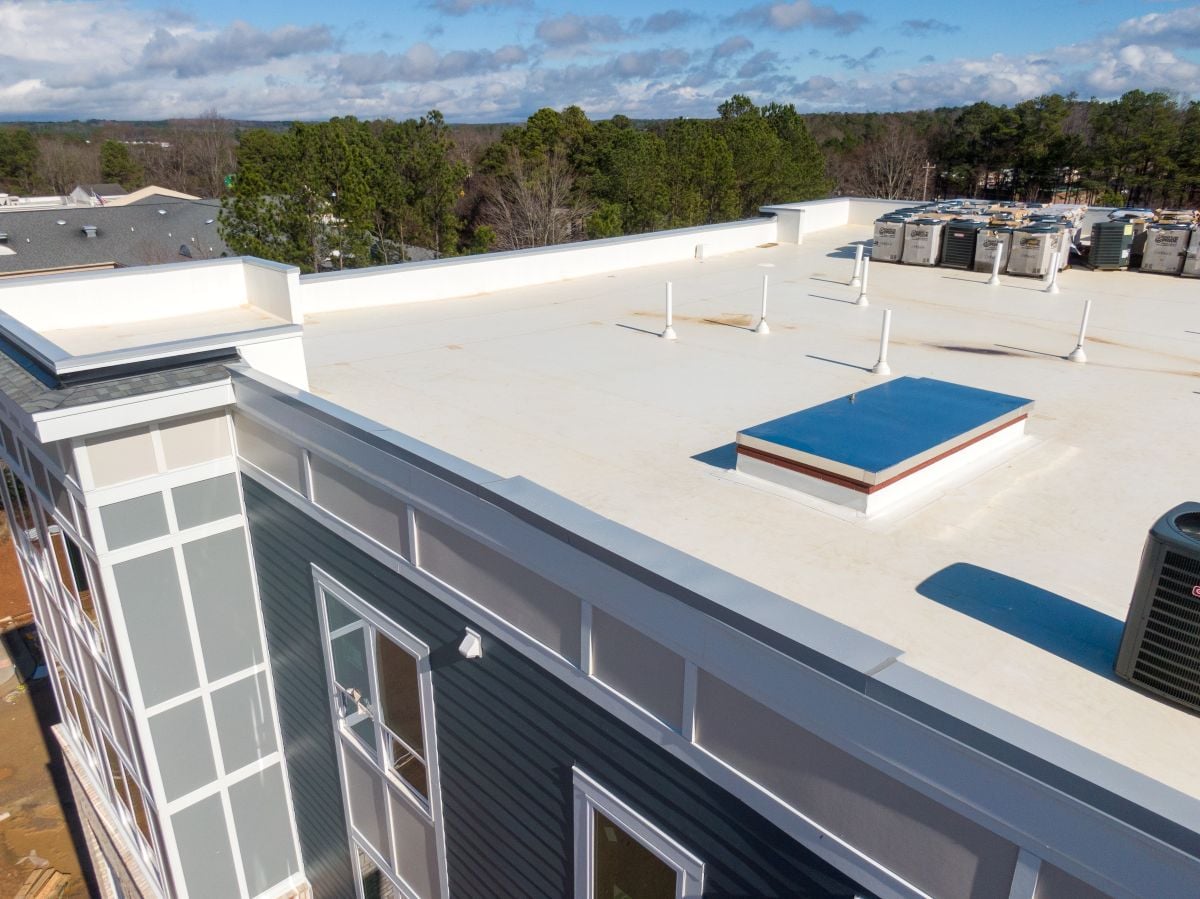
Replacing or installing a commercial roof is a major investment, and understanding the numbers before you request bids can save you thousands. TPO roofing cost depends on far more than the price of the membrane itself, including roof size, insulation, installation method, and the condition of the existing roof. Knowing what drives those numbers helps building owners set realistic budgets, compare quotes with confidence, and choose a system that delivers long-term value for your business and the people who use your building every day.
Inside this guide:
- Why cost knowledge matters before you collect bids
- Nine factors that raise or lower TPO pricing
- Sample budget ranges by building size
- How TPO compares with other flat roof systems
- Answers to common cost questions
Why Understanding TPO Costs Protects Your Bottom Line
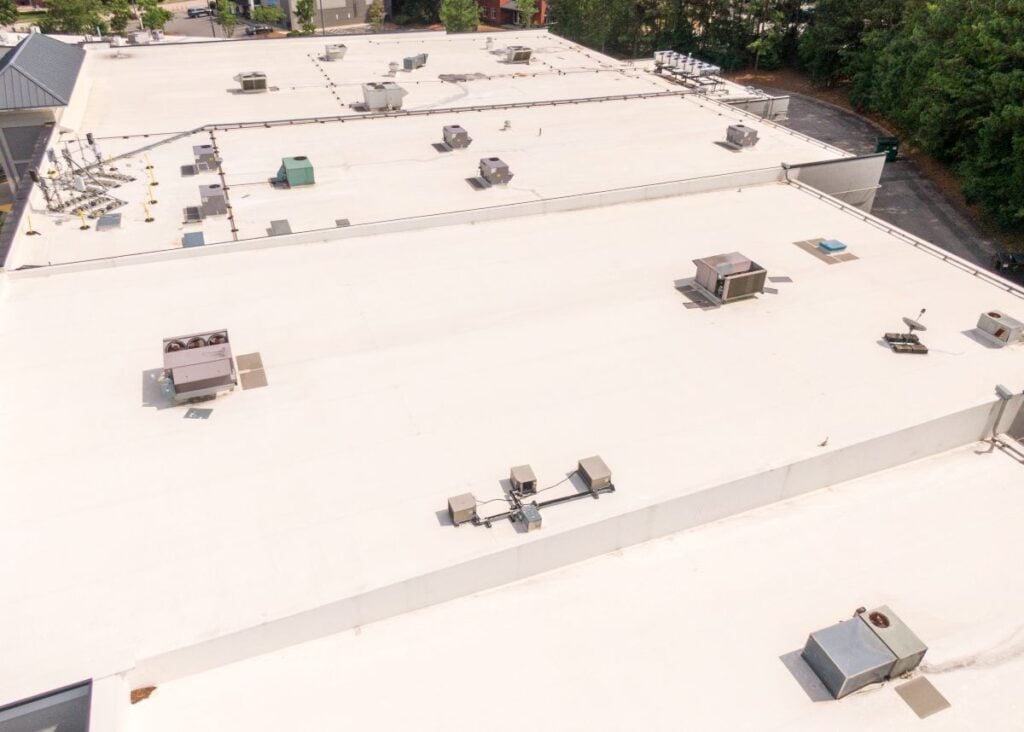
A commercial roof protects inventory, equipment, tenants, and daily operations, so a budgeting mistake can ripple through the entire business. Owners who understand how pricing works are better prepared to spot unrealistic bids, avoid surprise change orders, and plan capital expenses years in advance. That knowledge also makes conversations with contractors, lenders, and property partners far more productive, especially since TPO roofing systems now make up roughly 40 percent of the commercial market.
Understanding TPO pricing delivers several clear advantages:
- Accurate budgeting: Knowing typical price ranges lets you build reserves and secure financing before the roof becomes an emergency.
- Smarter bid comparisons: When you understand what each line item covers, it becomes easier to compare quotes fairly and identify missing scope.
- Better long-term value: Focusing on lifecycle cost rather than the lowest upfront price helps you choose a membrane thickness and warranty that truly fit the building.
- Fewer surprises: Planning for tear-off, insulation, and deck repairs upfront reduces the risk of unexpected costs once work begins.
Reviewing national TPO pricing data is a helpful starting point, and many sources cite an average of about $8.04 to $10.29 per square foot installed for commercial low-slope work. Still, commercial projects often differ from the residential examples in many published estimates. Larger roofs, rooftop equipment, and code requirements all affect the final price. For building owners in Johnson Creek and surrounding areas, winter weather and local labor rates also play a role, so a site-specific estimate is always the most reliable number.
9 Factors That Influence TPO Roofing Prices
Every commercial roof is different, which is why two buildings with the same square footage can receive very different quotes. These nine factors have the biggest impact on the final price of a TPO project.
1. Roof Size
Roof size is the single largest cost driver. TPO is typically priced per square foot or per roofing square (100 square feet), and larger roofs often see a slightly lower cost per square foot because setup and mobilization costs are spread across more area.
2. Membrane Thickness
TPO membranes are commonly available in 45, 60, and 80 mil thicknesses. Thicker membranes cost more upfront but offer better puncture resistance, longer service life, and often qualify for longer warranties.
- 45 mil: budget-friendly option for simple roofs
- 60 mil: a popular balance of cost and durability
- 80 mil: premium choice for high-traffic or long-hold buildings
3. Installation Method
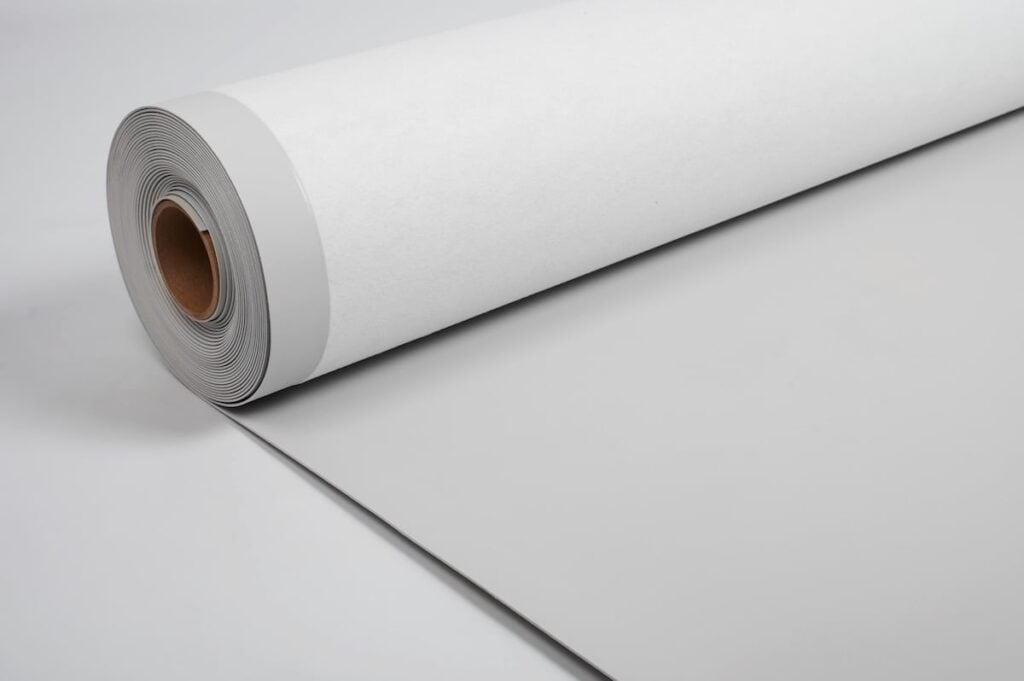
Labor for TPO installation typically runs $3 to $7 per square foot, and the attachment method affects where a project falls in that range. Because TPO requires specialized training for proper installation, experienced crews are worth the investment.
- Mechanically fastened roofs use barbed plates and fasteners to secure the membrane to the deck
- Fully adhered roofs are chemically glued for better wind uplift performance and usually cost 15 to 20 percent more
- Ballasted systems use stones as weight to hold the membrane in place
4. Insulation Upgrades
Most commercial TPO roofs include rigid insulation boards beneath the membrane. Adding insulation layers increases overall material volume and roof thickness, which raises upfront cost, but it improves energy efficiency and may help the building meet current energy code requirements.
5. Tear-Off and Disposal
Removing an existing roof adds labor, dumpster fees, and disposal costs, which can add roughly $1.50 to $3.00 per square foot. If the building has multiple old layers, tear-off becomes more involved and more expensive.
6. Deck Repairs
Once the old roof is removed, crews may discover rotted wood, rusted metal decking, or other structural damage. Most bids include a unit price for deck replacement so owners understand how these repairs will be billed.
7. Roof Penetrations and Details
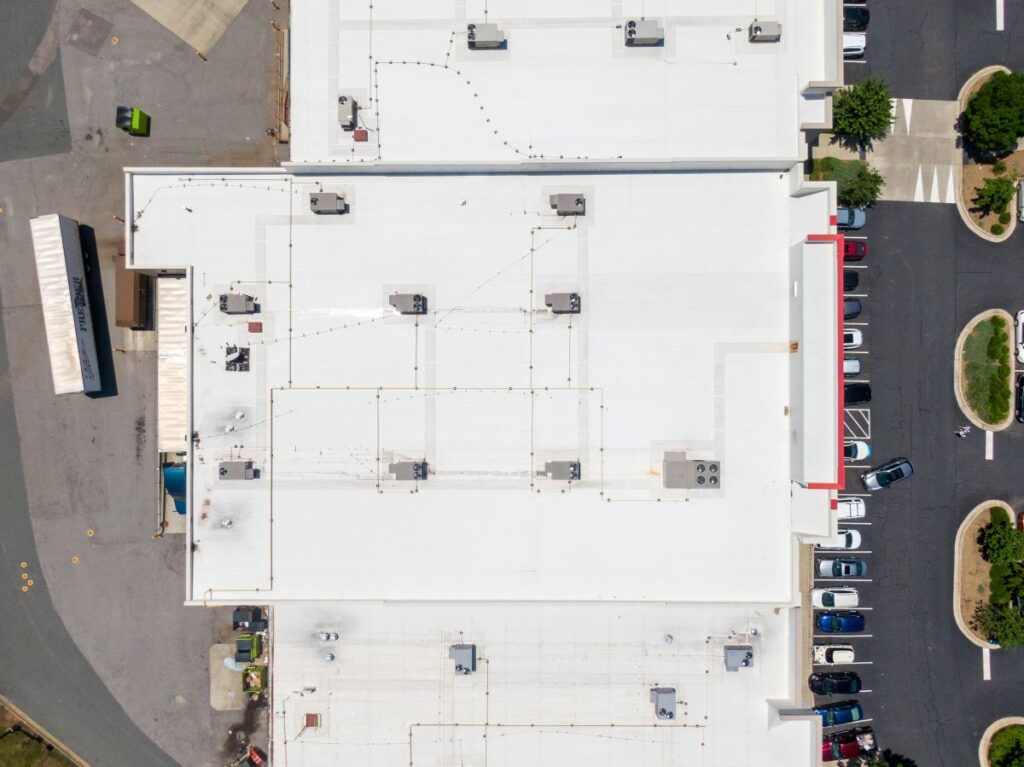
HVAC units, vents, skylights, drains, and parapet walls all require custom flashing work. The more penetrations and transitions a roof has, the more labor the project requires.
- Rooftop HVAC curbs
- Plumbing vents and exhaust fans
- Parapet walls and edge metal
8. Access and Building Height
Taller buildings and tight job sites may require cranes, lifts, or special staging. Limited access can slow material handling and increase labor time.
9. Warranty Level
Manufacturer warranties range from basic material coverage to comprehensive no-dollar-limit warranties. Longer, more robust warranties usually require thicker membranes, specific components, and inspections, which add to the total price.
Understanding how each factor affects your quote makes it much easier to evaluate bids and ask the right questions. A detailed written scope should clearly show how each of these items is handled so there are no surprises later.
Sample Budget Ranges by Building Size
While every project requires an on-site assessment, general ranges help owners start planning. Many published estimates place installed TPO roofing between roughly $6 and $12 per square foot for typical commercial projects, with complex roofs, premium membranes, or extensive tear-off pushing costs higher. Permits and inspections typically add $100 to $500 depending on local requirements.
Small Commercial Buildings
A small retail building, office, or restaurant with about 3,000 square feet of roof area might expect a budget of roughly $18,000 to $36,000. Projects at this size are often completed in a matter of days, though rooftop equipment can add detail work.
Mid-Size Buildings
A mid-size building such as a multi-tenant retail center or small warehouse with about 10,000 square feet of roof area could fall in the range of $60,000 to $120,000. Insulation upgrades and tear-off typically have the biggest effect on where a project lands within that range.
Large Commercial and Industrial Roofs
For large warehouses, manufacturing facilities, or distribution centers with 30,000 square feet or more, budgets can reach $180,000 to $360,000 or higher. These projects often benefit from phased scheduling to keep operations running during installation.
Keep in mind that these figures are planning estimates rather than quotes. Local labor rates, material pricing, and the condition of your existing roof in Johnson Creek and surrounding areas will determine your actual cost.
How TPO Compares on Long-Term Value
Upfront price is only part of the story. Comparing expected lifespan, maintenance needs, and energy performance gives a much clearer picture of which system delivers the best return for your building.
| Roofing System | Relative Upfront Cost | Typical Lifespan | Energy Performance | Best Fit |
| TPO | Moderate | 20 to 30 years | Highly reflective white surface | Most low-slope commercial roofs |
| EPDM | Low to moderate | 20 to 30 years | Absorbs heat unless coated | Cold climates and simple roof layouts |
| PVC | Moderate to high | 20 to 30 years | Highly reflective | Restaurants and chemical exposure |
| Modified bitumen | Moderate | 15 to 25 years | Varies by surfacing | Roofs with moderate foot traffic |
| Built-up roofing | Moderate to high | 20 to 30 years | Varies by surfacing | Traditional multi-layer applications |
Ways to Get More Value From Your Investment
A few smart decisions can help control costs without sacrificing quality:
- Schedule work during spring through early fall for better installation conditions
- Ask whether a roof overlay, also called a re-cover, is possible if the existing roof is dry and has only one layer
- Choose a membrane thickness that matches how long you plan to own the building
- Add walkway pads around rooftop equipment, since TPO can be more vulnerable to punctures and leaks than heavier systems
- Invest in preventative maintenance to protect your warranty and extend roof life
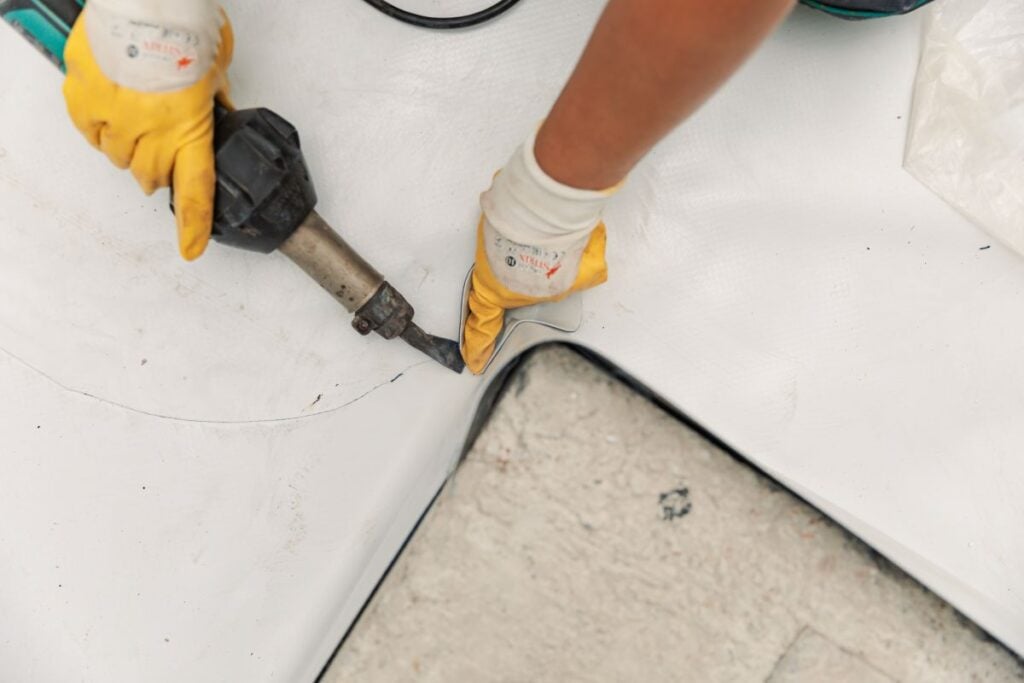
TPO’s combination of moderate cost, strong reflectivity, and heat-welded seams makes it one of the most cost-effective choices for commercial buildings. For many owners in Johnson Creek and surrounding areas, it offers the best balance of performance and budget.
Frequently Asked Questions About TPO Roofing Cost
Building owners and property managers often ask similar questions when budgeting for a new roof. Here are clear answers to some of the most common ones.
How much does TPO roofing cost per square foot?
Many commercial projects fall between roughly $6 and $12 per square foot installed. Labor usually accounts for $3 to $7 per square foot of that total, with the rest depending on membrane thickness, insulation, tear-off, and roof complexity.
Is TPO cheaper than PVC or EPDM?
TPO is usually less expensive than PVC and is often comparable to EPDM. Its reflective surface can also reduce cooling costs over time, which improves long-term value.
How long does a TPO roof last?
With proper installation and maintenance, most TPO roofs last 20 to 30 years. Thicker membranes and regular inspections can help extend that lifespan.
Can TPO be installed over an existing roof?
Sometimes. A roof overlay, where the new membrane goes directly over the old roof, may be possible if the existing roof has only one layer and the insulation and deck are dry. This can reduce tear-off and disposal costs.
Does a TPO roof require much maintenance?
TPO requires relatively little maintenance, but inspections twice a year and after major storms help catch seam issues, punctures, or drainage problems early.
Every building is unique, so these answers are a starting point rather than a final estimate. A professional roof assessment will give you pricing tailored to your property.
Get an Accurate Price for Your Commercial Roof
Understanding TPO pricing helps you plan with confidence, avoid surprises, and choose a roof that protects your business for decades. The right system, installed correctly, can lower energy costs and reduce long-term maintenance expenses. Classic Construction & Consulting helps commercial property owners evaluate their roofs, compare options, and receive clear, detailed estimates with no hidden costs. If you own or manage a commercial building in Johnson Creek and surrounding areas, contact us today to schedule an assessment and get an accurate price for your project.


