


Commercial roofing maintenance is one of the smartest investments a property owner can make to protect their building, extend roof lifespan, and avoid costly emergency repairs. A consistent maintenance plan keeps your commercial roof performing at its best through every season and helps you catch small problems before they turn into major expenses. This guide walks through seven essential commercial roof maintenance tips every owner should know to safeguard their property in 2026 and beyond.
- Preventive care: Routine inspections and upkeep prevent expensive emergency commercial roof repairs.
- Extended lifespan: Proper commercial roofing maintenance can add 5 to 10 years to your roof’s service life.
- Warranty protection: Most commercial roofing warranties require documented maintenance to stay valid.
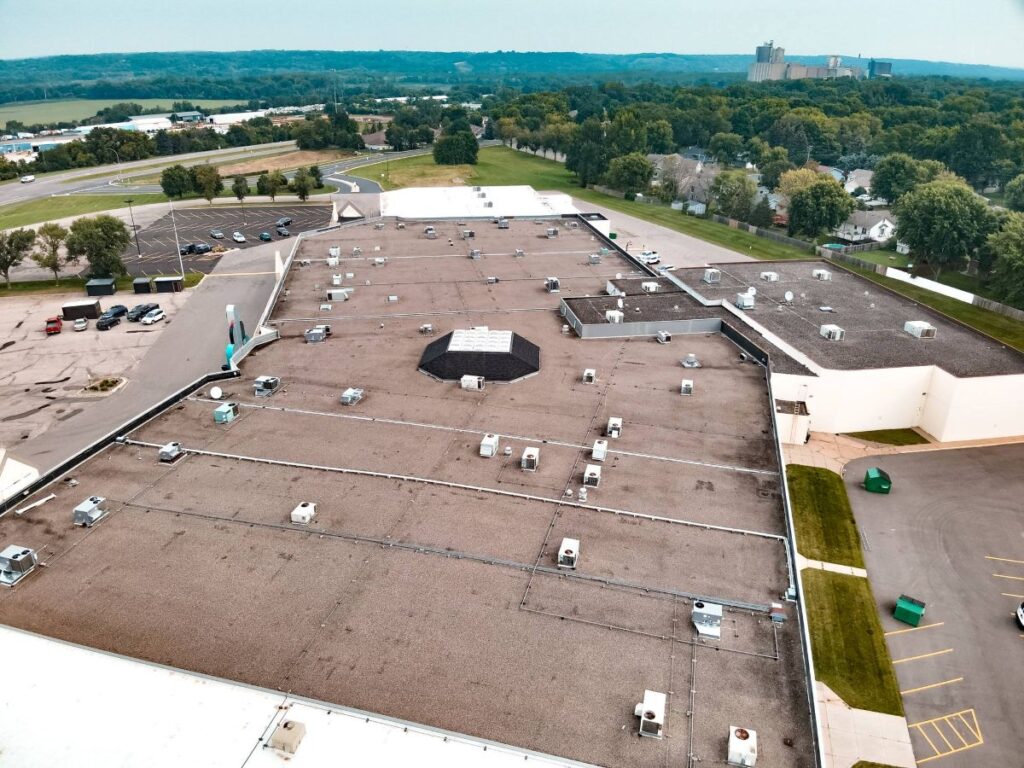
Why Commercial Roof Maintenance Matters
Commercial roof maintenance is about more than just keeping the surface clean. It is a long-term strategy that protects your building, your tenants, and your bottom line by catching issues early and extending the life of your investment.
The Cost of Skipping Maintenance
Ignoring commercial roofing maintenance is one of the most expensive mistakes a property owner can make. Small leaks, ponding water, and minor membrane damage often go unnoticed until they cause significant structural or interior damage. By that point, repair costs have multiplied and the roof’s overall lifespan has been shortened. Regular commercial roof maintenance prevents this cycle and protects your property from avoidable expenses.
- Emergency repairs: Skipped maintenance often leads to expensive emergency commercial roof repairs.
- Interior damage: Undetected leaks can damage ceilings, equipment, and inventory.
- Shortened lifespan: A neglected commercial roof may need replacement years earlier than expected.
The Value of a Maintenance Plan
A consistent commercial roofing maintenance plan delivers measurable long-term value for property owners. Scheduled inspections, documented repairs, and regular cleaning all help your roof reach its full service life. A strong maintenance plan also keeps your warranty intact, which protects the original investment in your commercial roofing system. Property owners who follow a proactive plan typically spend less over the life of the roof than those who only react to problems.
- Lower total cost: Proactive commercial roof maintenance reduces lifetime ownership cost.
- Warranty compliance: Manufacturer warranties often require documented maintenance.
- Predictable budgeting: Scheduled inspections help you plan repairs in advance.
7 Essential Commercial Roof Maintenance Tips
The following seven commercial roofing maintenance tips form the foundation of a strong roof care plan. Each one helps protect your building, extend the life of your roof, and reduce the risk of costly repairs.
1. Schedule Regular Professional Inspections
Professional commercial roof inspections are the cornerstone of any solid maintenance plan. A trained commercial roofing contractor can have your roof inspected to spot small issues that are easy to miss from the ground or by untrained staff. The National Roofing Contractors Association (NRCA) recommends commercial roofing maintenance and repair at least twice per year, typically in the spring and fall, and after severe weather events. These inspections create a documented history of your roof’s condition, and a routine roof maintenance inspection helps identify minor issues before they turn into major problems, saving money, supporting warranty compliance, and reducing disruption over time.
- Spring inspection: Identifies winter damage from snow, ice, and freezing temperatures.
- Fall inspection: Prepares your commercial roof for the harsh winter months ahead.
- Post-storm inspections: Catch hail, wind, and debris damage before leaks develop.
2. Keep Drains, Gutters, and Scuppers Clear
Proper drainage is one of the most important elements of commercial roofing maintenance. Clogged drains, gutters, and scuppers cause ponding water, which is a leading cause of premature roof failure on flat and low-slope commercial buildings. Keeping these drainage points clear through regular maintenance allows water to move off the roof quickly and helps prevent standing water and structural strain, reducing long-term damage to the membrane. Routine cleaning is a simple but powerful way to extend the life of your commercial roof.
- Roof drains: Remove leaves, debris, and sediment to prevent ponding water.
- Gutters and downspouts: Clear blockages to maintain proper water flow.
- Scuppers: Check that openings remain unobstructed throughout the year.
3. Address Small Leaks and Damage Quickly
Small problems become big problems fast on a commercial roof, so quick action on minor issues helps avoid costly problems. A minor membrane puncture, lifted seam, or hairline crack can allow water to enter the roofing system and damage insulation, decking, and interior spaces; when left untreated, that damage can lead to larger failures. Acting quickly is one of the most effective commercial roofing maintenance habits a property owner can develop. Prompt repairs preserve the integrity of the roof, protect the warranty, and keep small issues from escalating into the need for roof replacement. As part of preventative maintenance, minor repairs help extend roof life and reduce risk.
- Membrane punctures: Repair small holes before they grow or allow water infiltration.
- Open seams: Reseal lifted or separated seams as soon as they are identified.
- Flashing damage: Address damaged flashing quickly to prevent leaks at transitions.

4. Inspect and Maintain Rooftop Equipment
Rooftop equipment is one of the most common sources of commercial roof problems. HVAC units, vents, exhaust fans, and solar arrays all create penetrations and add weight to the roof surface. As part of your overall facility maintenance strategy, rooftop penetrations should be checked regularly to help avoid unplanned downtime, limit disruptions to business operations, and protect the surrounding membrane by ensuring that flashings, sealants, and curbs remain in good condition. Coordinating commercial roofing maintenance with your HVAC or equipment service schedule is an efficient way to stay on top of these issues.
- HVAC penetrations: Check seals around units to prevent leaks at penetration points.
- Vents and pipes: Inspect boots and flashings for cracks or wear.
- Equipment supports: Confirm that supports and curbs remain stable and watertight.
5. Manage Foot Traffic and Rooftop Use
Excess foot traffic is a hidden but significant cause of commercial roof damage. Service technicians, maintenance crews, and other workers regularly walk on commercial roofs to access equipment, and that traffic can wear down the membrane over time. Implementing simple traffic management practices is a key part of effective commercial roofing maintenance. Designated walkways, signage, and access policies help protect the roof from unnecessary wear and tear.
- Walkway pads: Install protective walkway pads in high-traffic areas of the roof.
- Access control: Limit roof access to trained personnel only.
- Service coordination: Schedule rooftop work efficiently to reduce overall traffic.
6. Clean the Roof Surface Regularly
Routine cleaning is an often-overlooked part of commercial roofing maintenance, but it plays an important role in protecting the membrane and other roofing materials. Leaves, branches, and other debris can trap moisture, damage the surface, and clog drainage points. Reflective roofing systems such as TPO and PVC also lose efficiency when dirty, and regular servicing helps insulation and leak sealing perform properly to regulate indoor temperatures and lower utility costs. A clean roof simply performs better and lasts longer than one that is neglected.
- Debris removal: Clear leaves, branches, and trash from the roof surface.
- Algae and biological growth: Address staining or growth before it spreads, and trim nearby tree branches while removing moss or algae to help protect the roof surface from degradation.
- Reflective surfaces: Keep TPO and PVC roofs clean to maintain energy efficiency.
7. Document Every Inspection and Repair
Documentation is the final piece of a strong commercial roofing maintenance plan and any effective roof maintenance program. Keeping detailed records of every inspection, repair, and service visit creates a clear history of your roof’s condition over time, helps you avoid costly surprises, and tracks potential issues early as part of a proactive maintenance program. This documentation helps with warranty claims, insurance claims, and long-term planning for repairs or replacement. It also gives your commercial roofing contractor important context for diagnosing future issues and recommending the right solutions.
- Inspection reports: Save detailed reports from every professional inspection.
- Repair records: Keep documentation of all repairs performed on the roof.
- Photo history: Maintain a visual record of the roof’s condition over time.
Common Commercial Roof Maintenance Mistakes to Avoid
Even well-intentioned property owners can make commercial roofing maintenance mistakes that shorten the life of their roof. Being aware of these common pitfalls helps you avoid costly errors and get the most out of your maintenance plan.
Waiting Until There Is a Problem
One of the biggest mistakes in commercial roof maintenance is treating the roof as a reactive expense rather than a proactive investment. Many property owners only call a roofing contractor when there is already a leak or visible damage, which means the underlying problem has been growing for some time. Reactive maintenance almost always costs more than scheduled care. A proactive commercial roofing maintenance plan catches issues early and protects the building before damage spreads.
- Reactive repairs: Waiting for visible damage usually leads to higher repair costs.
- Hidden deterioration: Small issues often grow undetected without regular inspections.
- Interior damage: Delayed action increases the risk of damage to ceilings and equipment.
Hiring the Wrong Contractor
The contractor you choose to handle your commercial roofing maintenance has a direct impact on the long-term performance of your roof, because commercial systems require different skills and techniques than residential work and should be handled by experienced professionals. An inexperienced or unqualified contractor may miss key issues, perform low-quality repairs, or even void your manufacturer warranty. Confirm the contractor is licensed and insured. Good communication also matters—they should be responsive, transparent, and able to explain the process clearly. The right commercial roofing contractor brings deep system expertise, detailed documentation, and a proactive approach to every visit, including dependable maintenance and repair services. Choosing carefully protects your investment for the long haul, especially for building owners managing long-term property costs. Check references and past commercial work before hiring.
- Experience level: Choose a contractor with deep commercial roofing experience.
- System specialization: Look for expertise in your specific commercial roof system and roofing material, whether that means TPO, PVC, EPDM, BUR, or a metal roof, since each has different maintenance needs.
- Detailed reporting: A strong contractor provides thorough inspection documentation and clear recommendations for repair services.
Protect Your Commercial Roof With Classic Construction
Strong commercial roofing maintenance is one of the most effective ways to protect your property, extend the life of your roof, and avoid expensive repairs. From regular inspections to clearing drains, addressing leaks, and documenting every service visit, each of these seven tips plays a role in keeping your commercial roof in peak condition. The right maintenance plan paired with the right contractor delivers years of reliable performance for your building.
At Classic Construction, we help maintain commercial roofs for building owners and businesses across Minnesota and Wisconsin. Our team brings deep experience with every major commercial roofing system, expert craftsmanship, and a proactive approach that protects your investment and supports your business for the long term. If you are ready to put a strong commercial roof maintenance plan in place, contact Classic Construction today to schedule a free roof inspection and get a clear plan to protect your property year-round.


