

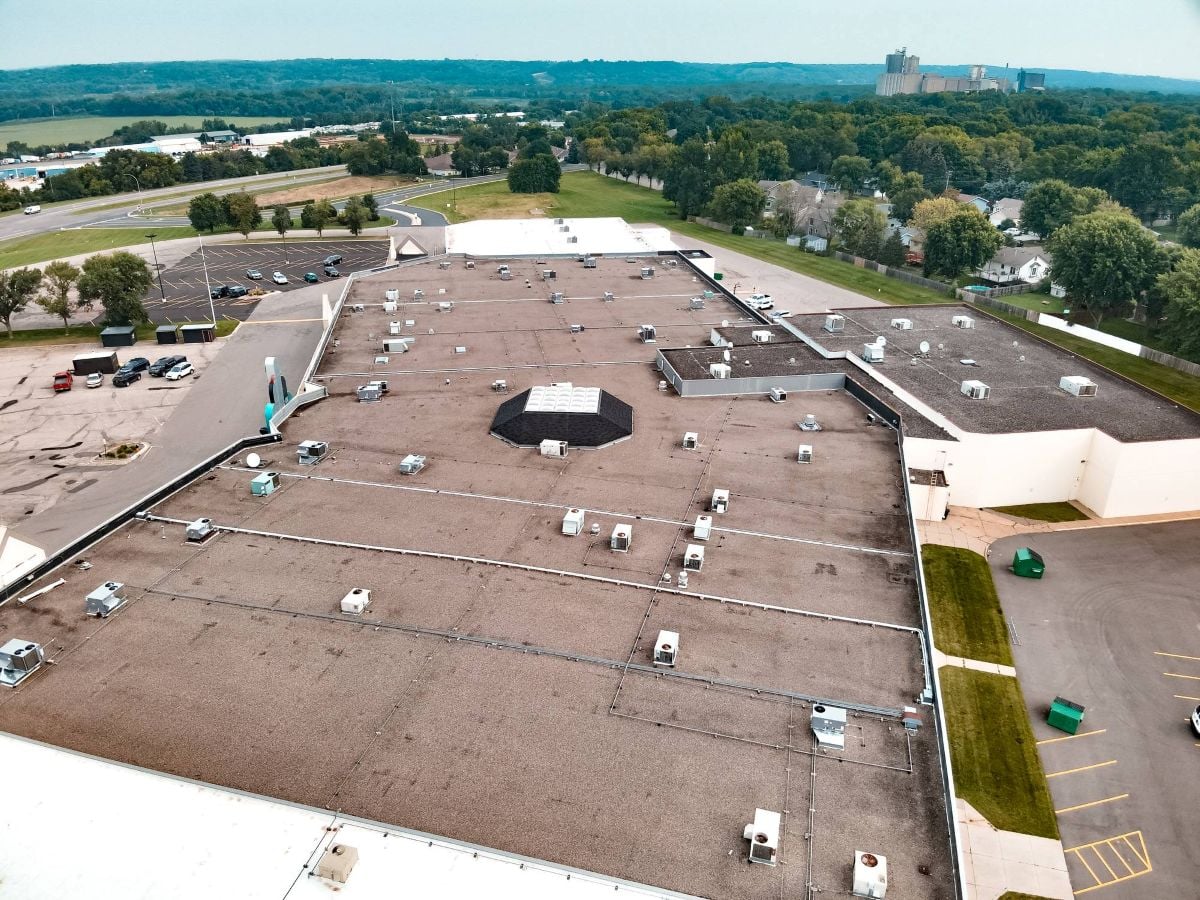
Choosing the right flat roof sealant is one of the most important steps in making a repair that holds up for years rather than weeks. Commercial property owners rely on sealants to address seams, penetrations, cracks, and other vulnerable spots that can let water into a flat roofing system if left untreated. The wrong product can lead to repeat repairs and ongoing leaks, while the right sealant delivers strong waterproofing, long-term durability, and real peace of mind. This guide breaks down the five best flat roof sealant options for long lasting repairs, plus how to choose the right one for your commercial roof.
- Right product, right repair: The wrong flat roof sealant can lead to recurring leaks and costly repairs.
- Long-term performance: Quality sealants can deliver years of strong waterproofing protection.
- System compatibility: Sealants must match the type of commercial roofing system being repaired.
Why Choosing the Right Flat Roof Sealant Matters
Selecting the right flat roof sealant is just as important as the repair work itself. A high-quality sealant protects the roof from leaks, supports long-term performance, and helps preserve the lifespan of the entire commercial roofing system.
The Role of Sealants in Flat Roof Repair
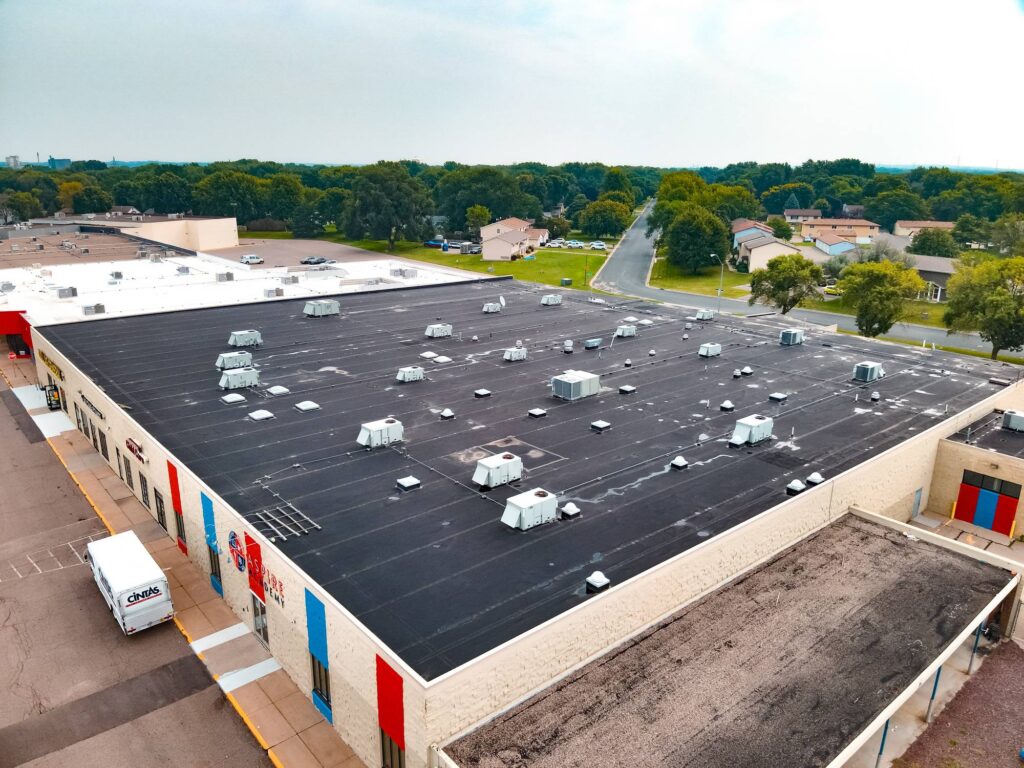
Sealants play a critical role in keeping a commercial flat roof watertight. They are commonly used around seams, penetrations, flashings, and minor membrane damage, where water is most likely to enter the system. A properly chosen and applied flat roof sealant restores waterproofing at these vulnerable points and protects the building from interior damage. Strong sealants are also flexible enough to move with the roof as it expands and contracts through changing seasons.
- Seam protection: Sealants help reinforce vulnerable seams across the membrane.
- Penetration sealing: Sealants protect transitions around pipes, vents, and HVAC units.
- Membrane support: Sealants reinforce minor cracks and small surface damage.
Long-Term Performance and Value
A high-quality flat roof sealant delivers long-term performance that protects the original investment in the roof. Cheap or incorrect sealants often fail within months and may even damage the membrane they were meant to protect. The right sealant, on the other hand, can last for many years and may extend the overall lifespan of the commercial roofing system. This long-term value is one of the biggest reasons to take sealant selection seriously on every repair.
- Lifespan extension: Quality sealants help extend the life of the commercial roof.
- Reduced repair frequency: Strong sealants hold up longer between service visits.
- Protected investment: Proper sealing preserves the original roofing investment.
5 Best Flat Roof Sealant Options for Long Lasting Repairs
The following five flat roof sealant options are some of the most trusted choices for long lasting commercial roof repairs. Each one offers a different combination of strength, flexibility, and compatibility with various roofing systems.
1. Silicone Sealant
Silicone is one of the most popular flat roof sealant options for long lasting commercial roof repairs. It offers excellent moisture resistance, strong UV protection, and impressive flexibility, all of which are critical for flat roofing systems exposed to weather and temperature swings. Silicone sealant performs especially well in areas that experience ponding water or extended periods of moisture. This makes it a strong choice for many commercial buildings in Minnesota and Wisconsin where weather conditions vary throughout the year.
- Moisture resistance: Silicone stands up well to ponding and extended water exposure.
- UV protection: Strong defense against long-term sun damage.
- Flexibility: Silicone moves with roof expansion and contraction.
2. Polyurethane Sealant
Polyurethane sealant is known for its impressive toughness and impact resistance, which makes it a strong option for flat roof repair on commercial buildings with heavy foot traffic. It bonds well to many roofing materials and provides strong long-term performance in demanding conditions. Polyurethane is often used in areas exposed to mechanical wear, such as around HVAC units, walking paths, or rooftop equipment. The result is a flat roof sealant that delivers durable, long lasting repairs on busy commercial roofs.
- Impact resistance: Polyurethane handles foot traffic and rooftop wear well.
- Strong adhesion: Polyurethane bonds securely to many flat roofing materials.
- Long-term durability: Strong long-term performance in demanding conditions.
3. Acrylic Sealant
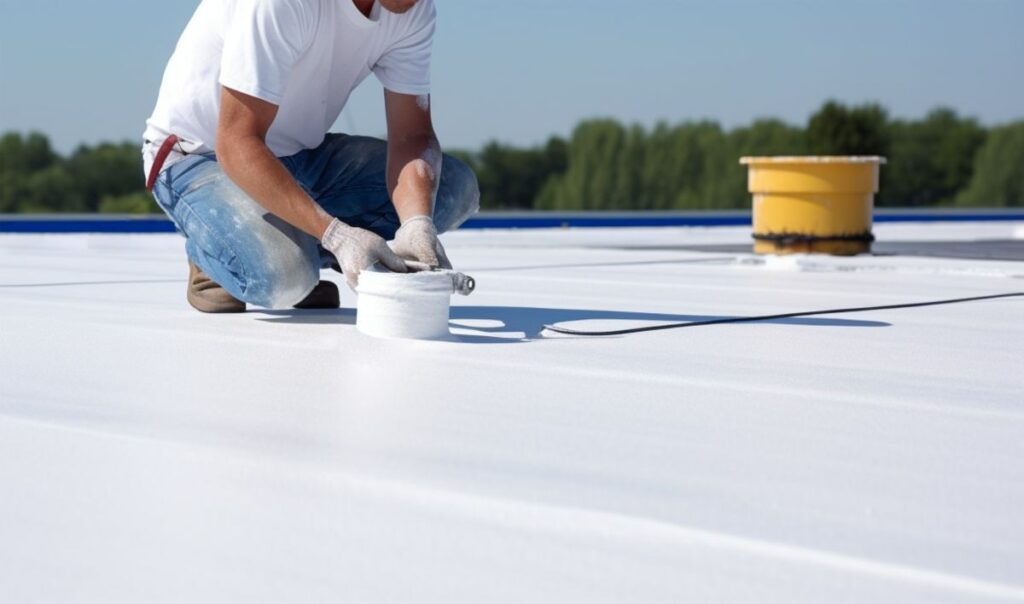
Acrylic sealant is a popular flat roof sealant for budget-conscious commercial roof repairs. It is water-based, easy to apply, and offers good reflectivity that supports energy efficiency on flat roofs. Acrylic sealants perform best in dry, sunny conditions and are often used on TPO, EPDM, and modified bitumen roofs that have minor surface wear. While not as durable as silicone or polyurethane in harsh weather, acrylic sealant is a smart, affordable choice for many flat roof repairs.
- Reflective surface: Acrylic supports energy efficiency on commercial roofs.
- Easy application: Acrylic is a user-friendly water-based option.
- Budget-friendly: A cost-effective choice for many flat roof repairs.
4. Butyl Rubber Sealant
Butyl rubber sealant is a long-trusted flat roof sealant known for its strong adhesion, flexibility, and waterproofing performance. It is often used on seams, flashings, and other vulnerable areas where a strong, flexible bond is essential. Butyl rubber performs well across a wide range of temperatures, which makes it a smart choice for commercial roofs in climates with significant seasonal variation. It is a reliable long lasting repair option for many flat roofing systems.
- Strong adhesion: Butyl rubber bonds well to many roofing surfaces.
- Flexibility: Stretches with roof movement to prevent cracking.
- Wide temperature range: Performs well in both hot and cold conditions.
5. EPDM Liquid Rubber Sealant
EPDM liquid rubber sealant is designed specifically for EPDM rubber roofing systems and other compatible flat roofs. It delivers strong waterproofing performance, excellent flexibility, and a long-lasting bond that matches well with EPDM membranes. This flat roof sealant is often used to repair seams, patches, and other vulnerable areas on EPDM commercial roofs. The result is a seamless, durable repair that protects the membrane for years.
- EPDM compatibility: Designed to bond perfectly with EPDM membranes.
- Flexible performance: Maintains flexibility through seasonal temperature changes.
- Long-lasting seal: Provides durable waterproofing for EPDM commercial roofs.
How to Choose the Right Flat Roof Sealant for Your Repair
Selecting the right flat roof sealant for a commercial repair depends on several factors, including the type of roofing system, the location of the damage, and the climate. Taking the time to match the right product to the right application is one of the most important steps in achieving long lasting repairs.
Match the Sealant to Your Roofing System
Every flat roof sealant performs best on certain roofing materials, which makes compatibility a critical factor in product selection. TPO, EPDM, PVC, modified bitumen, and built-up roofs each have unique chemical properties, and using the wrong sealant can cause poor adhesion or even damage to the membrane. Choosing a sealant that is specifically designed or tested for your commercial roofing system ensures strong bonding and long-term performance. A commercial roofing contractor can help confirm the right match for your repair.
- TPO and PVC: Often work well with silicone or compatible polyurethane sealants.
- EPDM roofing: Pairs best with EPDM-compatible or butyl rubber sealants.
- Modified bitumen: Compatible with several sealants including polyurethane and acrylic.
Consider Climate and Weather Exposure
Climate is another important factor in choosing the right flat roof sealant for a long lasting repair. Sealants used on commercial roofs in Minnesota and Wisconsin must hold up through hot summers, cold winters, freeze-thaw cycles, and significant snowfall. Some sealants perform better in cold weather, while others excel in sunny or wet conditions. Matching the sealant to your local climate helps ensure that the repair lasts through every season.
- Cold climates: Flexible sealants like silicone and butyl rubber perform well in winter.
- Wet conditions: Silicone sealant resists ponding water and moisture exposure.
- Sunny exposure: UV-resistant sealants like silicone protect against sun damage.
Common Mistakes to Avoid When Using a Flat Roof Sealant
Even the best flat roof sealant will not perform well if it is applied incorrectly or chosen for the wrong situation. Avoiding these common mistakes helps ensure long lasting repairs and protects your commercial roof investment.
Applying Sealant to a Dirty or Wet Surface
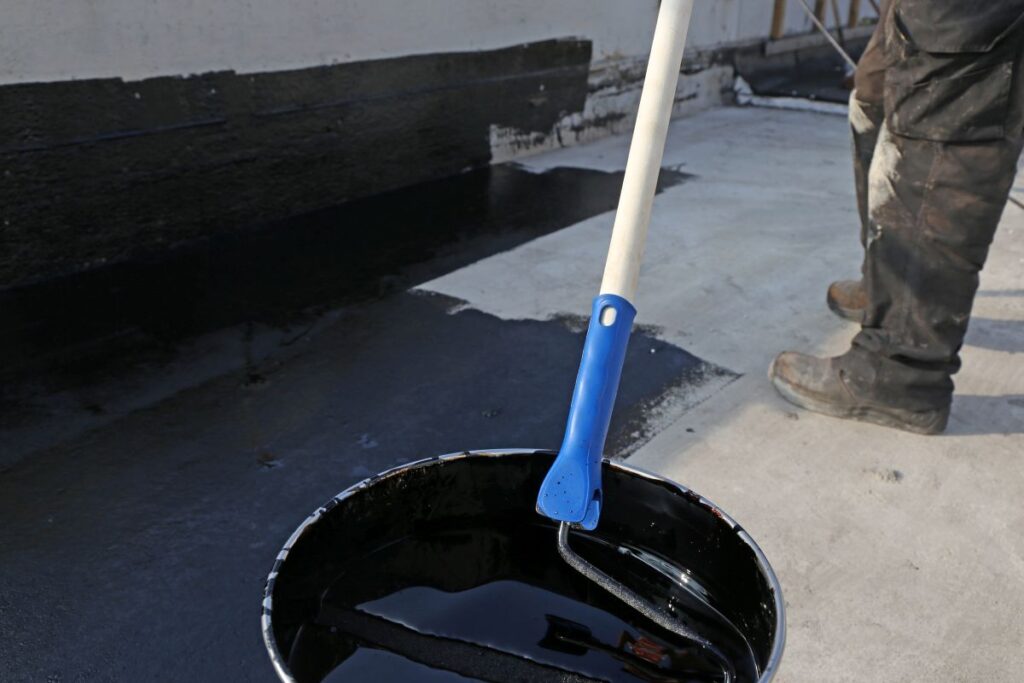
One of the most common flat roof sealant mistakes is applying the product to a dirty or wet surface. Sealants need a clean, dry surface to bond properly, and any debris, moisture, or contamination can prevent a strong seal. This often leads to premature failure, peeling, or recurring leaks. A trusted commercial roofing contractor will always clean and prepare the surface carefully before applying any sealant.
- Surface cleaning: Remove dirt, debris, and old sealant before applying new product.
- Dry conditions: Avoid applying sealant on damp or wet surfaces.
- Proper prep: Surface preparation is critical to long lasting performance.
Choosing the Wrong Sealant for the Job
Another common mistake is choosing a flat roof sealant that is not compatible with the roofing system or the type of repair. Some sealants bond poorly with certain membranes, while others fail in cold or wet conditions. Using the wrong product almost always leads to short-term results and recurring repair needs. A qualified commercial roofing contractor will recommend the right sealant based on the roof system, damage type, and local climate.
- System mismatch: Wrong sealants can fail to bond with the membrane.
- Climate mismatch: Some sealants perform poorly in cold or wet conditions.
- Repair fit: Different types of repairs call for different sealants.
Get Long-Lasting Repairs With Classic Construction
Choosing the right flat roof sealant is one of the most important parts of any long lasting commercial roof repair. From silicone and polyurethane to acrylic, butyl rubber, and EPDM liquid rubber, each option offers a unique combination of strength, flexibility, and performance. The best choice depends on your commercial roofing system, the type of damage, and your local climate, which is why working with an experienced commercial roofing contractor is so important.
At Classic Construction, we specialize in flat roof repairs, maintenance, and full replacements across Minnesota and Wisconsin. Our team brings deep experience with every major commercial roofing system, expert craftsmanship, and a commitment to delivering long lasting results on every project. If you are dealing with a flat roof repair issue or want a professional assessment of your commercial roof, contact Classic Construction today to schedule a free roof inspection and get a clear plan for long lasting repairs.


