

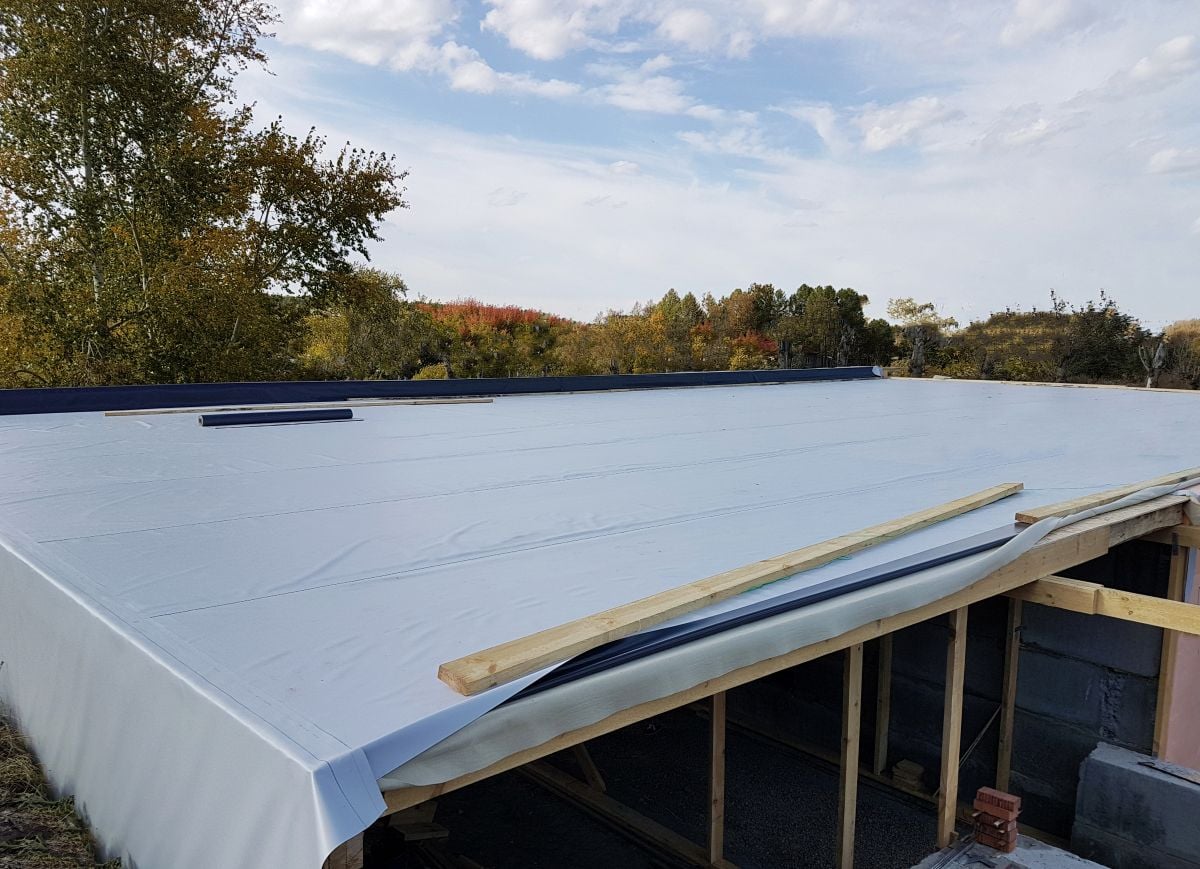
A quality flat roof insulation system is one of the most valuable investments a commercial property owner can make, delivering energy savings, improved comfort, and stronger long-term roof performance. While the roofing membrane often gets the most attention during a flat roof project, the insulation beneath it plays an equally important role in how the entire system performs. From lower utility bills to longer roof lifespan, the right flat roof insulation has a major impact on the value and efficiency of any commercial building. This guide breaks down the seven biggest flat roof insulation benefits and how to choose the right system for your property.
- Energy savings: Proper flat roof insulation can lower heating and cooling costs significantly.
- Stronger performance: Insulation improves the long-term performance of any commercial roofing system.
- Long-term value: A well-insulated flat roof reduces total cost of ownership over time.
Why Flat Roof Insulation Matters for Commercial Buildings
Flat roof insulation is the unsung hero of any commercial roofing system. It influences energy efficiency, indoor comfort, roof performance, and even building code compliance, which is why choosing the right insulation is so important during any commercial roofing project.
The Role of Insulation in Roof Performance
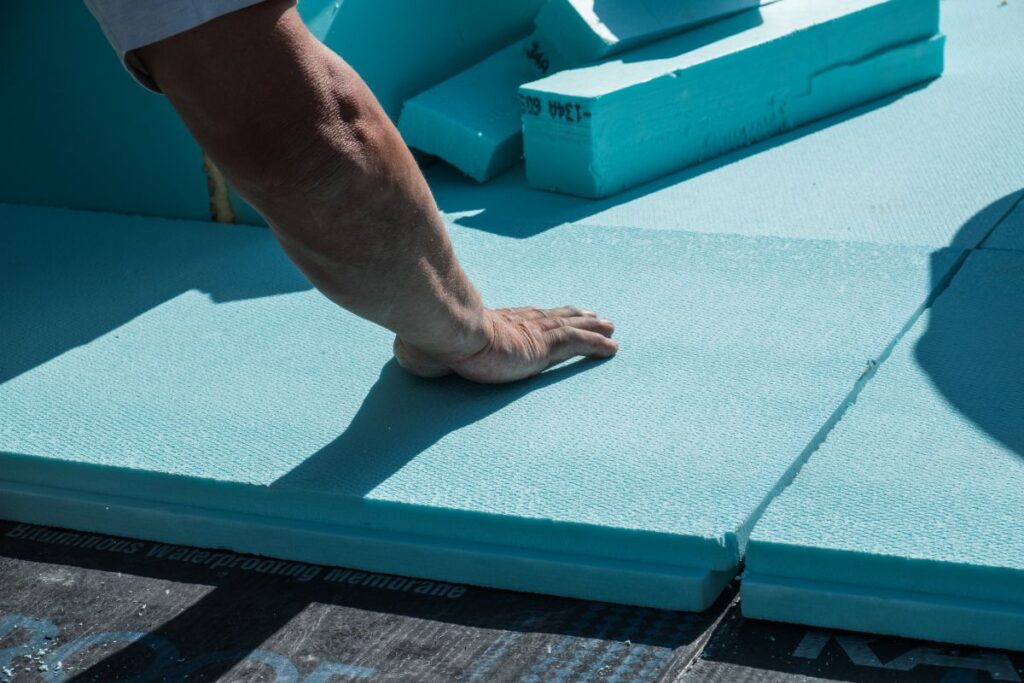
Flat roof insulation does much more than just keep heat inside a commercial building. It also supports the roofing membrane, helps regulate temperature, and creates a stable surface for installation; in a warm roof assembly, rigid insulation boards are placed above the roof deck. Quality insulation works alongside the membrane to deliver strong, consistent roof performance over time. Without proper insulation, even the best commercial roofing system will fail to reach its full potential.
- Thermal control: Insulation helps maintain consistent indoor temperatures year-round.
- Membrane support: Insulation provides a stable, level surface for the roof system.
- System performance: Proper insulation supports the long-term success of the entire roof.
How Insulation Affects Total Cost of Ownership
Flat roof insulation has a direct impact on the total cost of ownership for a commercial building. Higher-performing insulation costs more upfront but typically delivers significant long-term savings through reduced energy bills and improved roof performance. Lower-quality insulation may save money initially but often leads to higher utility costs and earlier replacement needs. Choosing the right insulation up front pays off across the entire lifespan of the commercial roof.
- Energy savings: Quality insulation lowers heating and cooling costs over time.
- Reduced repairs: Proper insulation supports longer-lasting roof performance.
- Long-term value: Insulation investments deliver returns for decades.
7 Flat Roof Insulation Benefits for Commercial Buildings
The following seven benefits highlight why flat roof insulation is such a valuable investment for commercial property owners. Each one contributes to a more efficient, comfortable, and cost-effective commercial building.
1. Lower Energy Costs and Improved Energy Efficiency
One of the biggest flat roof insulation benefits is the impact it has on energy costs for commercial buildings. Insulation slows the transfer of heat between the building interior and the outdoor environment, which reduces the demand on HVAC systems. Flat roofs also need good air sealing to minimize air leaks and preserve insulation performance. This translates into lower heating and cooling bills throughout the year, especially in climates like Minnesota and Wisconsin where temperature swings are dramatic. The right flat roof insulation can deliver double-digit percentage savings on annual utility costs.
- Reduced heating demand: Insulation keeps warm air inside during cold months.
- Lower cooling needs: Insulation blocks heat from entering during summer.
- Annual savings: Quality insulation can lower utility bills by 10 to 30 percent.
2. Improved Building Comfort
Flat roof insulation has a major impact on the comfort of a commercial building’s interior. Without proper insulation, indoor temperatures can fluctuate dramatically, leading to hot spots, cold spots, and uneven conditions throughout the building. Quality insulation helps maintain stable temperatures and creates a more comfortable environment for tenants, employees, and visitors. This comfort benefit can also improve productivity and tenant satisfaction over time.
- Stable temperatures: Insulation keeps indoor temperatures consistent.
- Reduced hot spots: Even insulation prevents uncomfortable temperature variations.
- Tenant satisfaction: A comfortable building supports happier tenants and visitors.
3. Extended Roof Lifespan
Flat roof insulation plays an important role in extending the lifespan of the entire commercial roofing system. By regulating temperatures and reducing thermal stress on the membrane, insulation helps slow the natural aging of the roof. A stable insulation layer also supports the membrane and reduces the risk of damage from foot traffic or other rooftop activity. This combined protection helps the commercial roof reach or exceed its expected service life.
- Reduced thermal stress: Insulation moderates temperature swings on the membrane.
- Stable foundation: Insulation provides a level, supportive base for the roofing system.
- Longer service life: Quality insulation helps the roof last longer.
4. Reduced HVAC System Strain
Flat roof insulation reduces strain on the HVAC system, which delivers benefits well beyond just energy savings. When insulation keeps the building at a more consistent temperature, HVAC equipment runs less often and works less hard during each cycle. This reduces wear and tear, extends the life of HVAC components, and lowers long-term maintenance costs. Combined with the energy savings, this benefit makes flat roof insulation one of the most impactful upgrades a commercial property owner can make.
- Less wear and tear: HVAC systems run more efficiently with proper insulation.
- Longer HVAC lifespan: Reduced strain extends the life of heating and cooling equipment.
- Lower maintenance: HVAC systems require less service over time.
5. Building Code Compliance
Building codes increasingly require strong flat roof insulation on commercial properties, especially during a roof replacement. Local energy codes often specify minimum R-values, vapor barrier requirements, and other insulation standards that must be met; for example, rules can be stricter for low slope assemblies and unvented roofs because the roof sheathing must stay above the dew point in winter. Quality flat roof insulation ensures that your commercial building meets these requirements and avoids costly project delays. A commercial roofing contractor can help confirm that your insulation plan complies with current code, and a building inspector may also affect how compliance is verified on the project.
- Energy code: Local codes often require minimum R-values for flat roof insulation.
- Vapor barriers: Some codes require specific vapor barrier installations.
- Permit compliance: Code-compliant insulation supports a smooth permitting process.
6. Better Moisture Protection
A well-installed flat roof insulation system also contributes to moisture protection for commercial buildings. While the membrane is the primary barrier against water, insulation supports moisture control through proper vapor barriers and consistent surface conditions. This helps prevent condensation, mold growth, and hidden moisture problems that can damage interior spaces over time. Strong moisture protection is one of the often-overlooked benefits of high-quality flat roof insulation.
- Vapor barriers: Insulation systems include vapor barriers that block moisture migration.
- Condensation control: Proper insulation reduces interior condensation issues.
- Mold prevention: Moisture control helps prevent mold and indoor air quality problems.
7. Increased Property Value
Quality flat roof insulation can increase the long-term value of a commercial property. Energy-efficient buildings are more attractive to tenants, buyers, and lenders, all of which can support stronger property valuations. A well-insulated commercial roof also signals strong building maintenance and reduces concerns about future repair or replacement costs. This long-term value boost is another reason flat roof insulation is such a smart investment.
- Energy-efficient appeal: Energy efficiency adds value for tenants and buyers.
- Strong maintenance signal: Good insulation shows the property is well cared for.
- Reduced future costs: Quality insulation lowers expected future expenses.
Common Types of Flat Roof Insulation
Several types of flat roof insulation are commonly used on commercial buildings, and the right choice depends on the building, the roofing system, and the performance goals. The most common insulation materials include Polyiso, EPS, XPS, and SPF, and each material offers a different mix of thermal performance, durability, and cost. For many projects, rigid foam boards are often the best options to insulate a flat roof because they balance durability with strong thermal results. SPF is a spray foam option, and spray foam insulation is a foam insulation type known for high R-values, sometimes up to 6.6 per inch.
Polyisocyanurate (Polyiso) Insulation
Polyisocyanurate, often called polyiso, is one of the most popular flat roof insulation choices for commercial buildings in 2026. It offers a high R-value per inch, strong moisture resistance, and good overall durability. Polyiso is widely used on TPO, EPDM, and PVC roofs because it provides a strong, stable base for the membrane. This combination of performance and compatibility makes polyiso a smart choice for many commercial roofing projects.
- High R-value: Polyiso delivers strong thermal performance per inch.
- Moisture resistance: Polyiso holds up well to moisture exposure.
- Wide compatibility: Works with most single-ply commercial roofing systems.
Expanded and Extruded Polystyrene
Expanded polystyrene (EPS) and extruded polystyrene (XPS) are two other common flat roof insulation options. EPS is typically more affordable, while XPS offers stronger moisture resistance and slightly higher R-value per inch. Both are used on a variety of commercial roofing systems and offer dependable thermal performance. The right choice between EPS and XPS depends on the project budget, climate, and roofing system requirements.
- EPS insulation: Affordable option with solid thermal performance.
- XPS insulation: Stronger moisture resistance with slightly higher R-value.
- Wide use: Both work well on many commercial flat roofing systems.
Mineral Wool Insulation
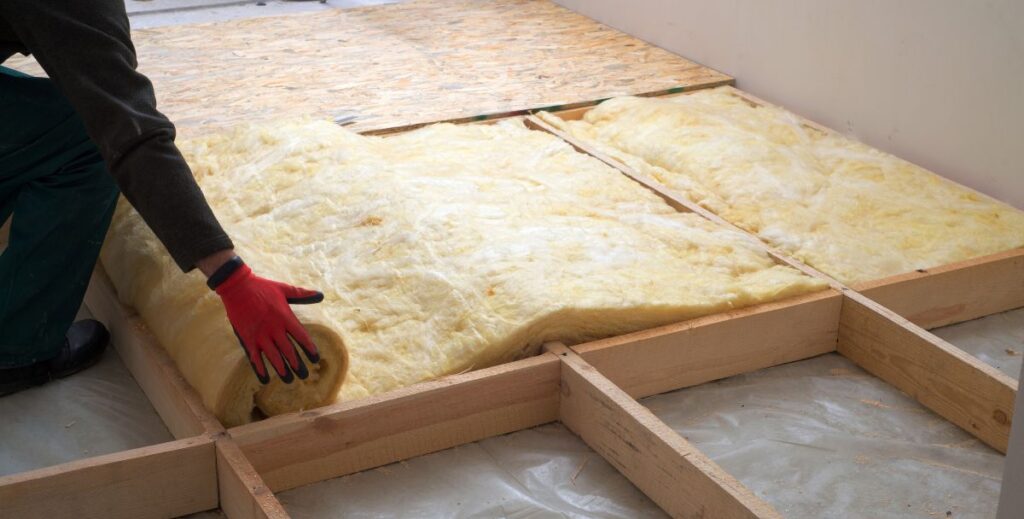
Mineral wool is a strong flat roof insulation option for commercial buildings that need excellent fire resistance and sound dampening. It is made from natural minerals, offers good thermal performance, and provides a stable surface for the membrane above. Mineral wool is often used on commercial buildings where fire performance is a top priority. It is a reliable choice for many commercial roofing systems where these added benefits matter most.
- Fire resistance: Mineral wool offers strong fire performance.
- Sound dampening: Helps reduce sound transmission through the roof.
- Solid thermal performance: Reliable R-value and overall efficiency.
How to Choose the Right Flat Roof Insulation
Choosing the right flat roof insulation depends on several factors, including the roofing system, climate, building use, and budget. Working with the right contractor makes the entire process easier and more accurate.
Match Insulation to the Roofing System
Every flat roof insulation works best with certain commercial roofing systems, which makes compatibility a critical factor in the decision. TPO, EPDM, PVC, modified bitumen, and built-up roofs each have unique requirements that influence the right insulation choice. The correct match supports stronger long-term performance and helps preserve warranty coverage. A commercial roofing contractor can confirm the right insulation for your specific roofing system.
- TPO and PVC: Often paired with polyiso for strong performance.
- EPDM roofing: Compatible with polyiso, EPS, or XPS depending on the project.
- Modified bitumen: Works well with several insulation options.
Work With an Experienced Commercial Roofing Contractor
An experienced commercial roofing contractor is one of the most valuable resources for any property owner choosing flat roof insulation. The right contractor will evaluate your building, review your goals, and recommend the insulation that fits best as part of your overall roofing system. On an existing flat roof, installation can be harder because of limited space, especially when replacing roof components. They also bring local expertise about climate, code requirements, and insulation performance in your region. This guidance helps you avoid costly mismatches and choose an insulation system that delivers long-term value.
- Local expertise: Contractors familiar with Minnesota and Wisconsin know what performs well locally.
- Code knowledge: A strong contractor understands local energy code requirements.
- System specialization: Many contractors specialize in specific commercial roofing systems, and experienced insulation contractors can assess roof size, available space, and the right range of options for the project.
Build a Better Commercial Roof With Classic Construction
Quality flat roof insulation is one of the most powerful investments a commercial property owner can make in their building. From lower energy costs and improved comfort to extended roof lifespan and stronger long-term value, the benefits are significant. The right roof assembly paired with the right contractor delivers years of strong performance and lasting value for any commercial property.
At Classic Construction, we specialize in commercial flat roofing systems, replacements, and repairs across Minnesota and Wisconsin, including complete roof assemblies that integrate quality insulation as part of every new roof. Our team brings deep experience with every major commercial roofing system, expert craftsmanship, and a proactive approach that protects your investment for the long term. If you are planning a commercial roofing project and want to maximize the benefits of flat roof insulation, contact Classic Construction today to schedule a free roof inspection and get a clear plan for your building.


