

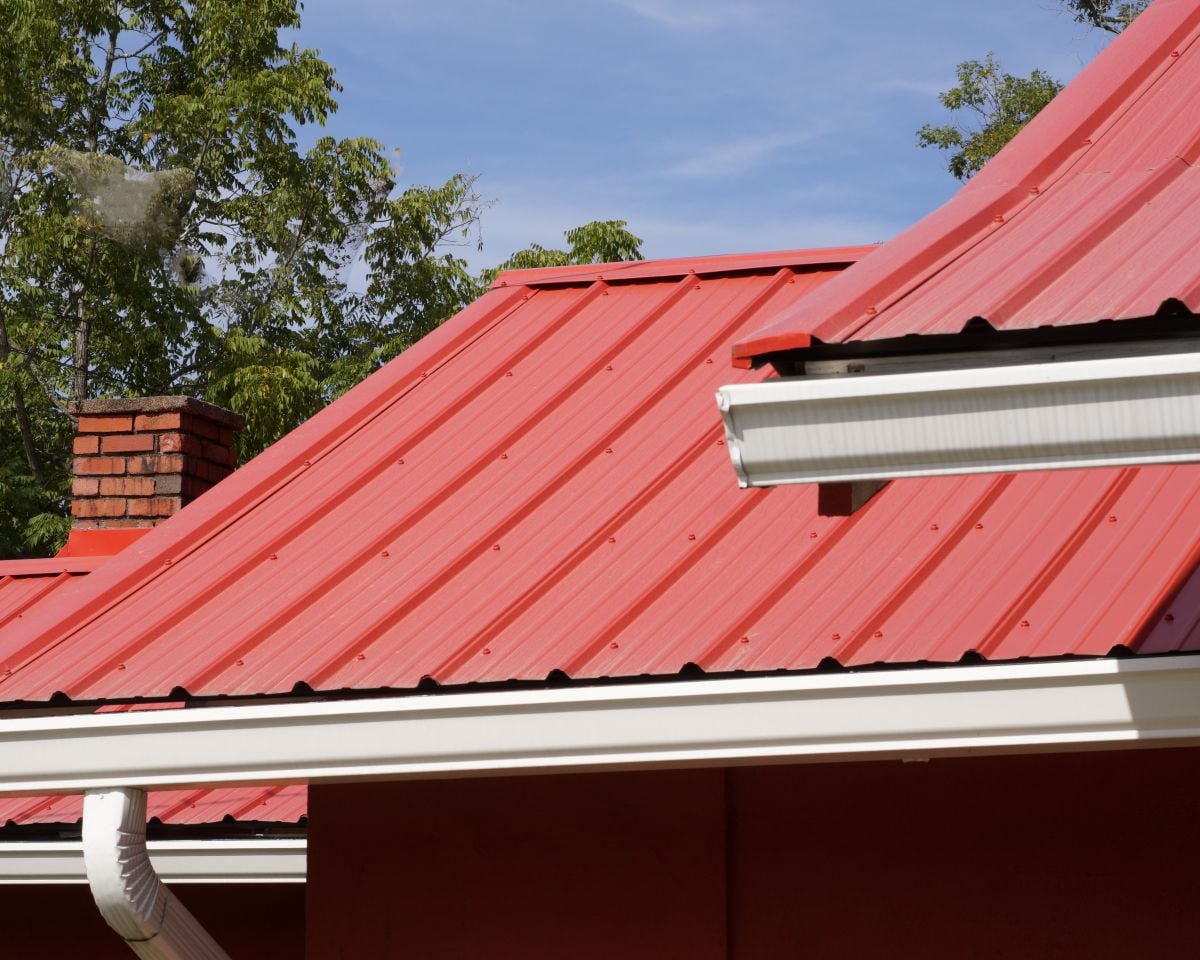
A professional metal roofing installation is one of the most important investments a commercial property owner can make in the long-term protection, durability, and value of their building. Metal roofing systems offer some of the longest lifespans in the industry, along with strong weather resistance, energy efficiency, and minimal maintenance needs when installed correctly. This guide walks through what to expect from a professional metal roofing installation, the key steps in the process, and the common mistakes to avoid so you can make a confident decision for your commercial property.
- Long lifespan: Metal roofing can last 40 to 60 years with professional installation.
- Strong performance: Metal roofs deliver excellent weather resistance and energy efficiency.
- Quality matters: Professional installation is critical to long-term metal roof performance.
Why Professional Metal Roofing Installation Matters
A professional metal roofing installation is the difference between a roof that performs for decades and one that develops problems within a few years. The quality of the installation directly impacts everything from waterproofing to appearance to warranty coverage.
The Value of Doing It Right the First Time
A professional metal roofing installation delivers value that lasts for decades. Metal is one of the most durable commercial roofing materials on the market, but its performance depends heavily on how it is installed. Proper fastening, flashing, and panel alignment are all critical to preventing leaks and maximizing lifespan. A quality installation from an experienced contractor ensures your investment delivers the strongest possible long-term return.
- Long-term performance: Proper installation supports a 40 to 60 year lifespan.
- Warranty protection: Manufacturer warranties require professional installation.
- Lower lifetime costs: Quality work reduces future repairs and maintenance expenses.
What Property Owners Should Expect
Commercial property owners should expect clear communication, detailed planning, and precise workmanship throughout a metal roofing installation project. A reputable commercial roofing contractor will guide you through every phase, from initial inspection to final cleanup and warranty registration. Property owners should also expect careful protection of the property, minimal disruption to tenants, and detailed documentation of the finished work. Knowing what to expect helps you partner effectively with your roofing team.
- Clear communication: Strong contractors provide regular updates and detailed plans.
- Detailed proposals: Quality estimates include scope, materials, and timeline.
- Final walkthrough: A complete installation ends with a thorough inspection and review.
7 Steps in a Professional Metal Roofing Installation
Most metal roofing installations follow a consistent set of steps that protect the building and ensure a high-quality result. The following seven steps walk through the process from initial inspection to final completion on a commercial building.
1. Initial Roof Inspection and Assessment
Every professional metal roofing installation begins with a thorough inspection and assessment of the existing roof. A commercial roofing contractor will evaluate the current roofing system, identify damage, measure the roof, and assess the structural condition. This step also includes reviewing rooftop equipment, drainage, and any potential code requirements. The information gathered during the inspection forms the foundation for the entire metal roofing project.
- Roof condition review: Identify damage, wear, and moisture issues in the existing system.
- Structural assessment: Confirm that the structure can support a metal roofing system.
- Equipment evaluation: Review HVAC, vents, and other rooftop equipment.
2. Material Selection and Project Planning
Once the inspection is complete, the next step is choosing the right metal roofing system and finalizing the project plan. Material selection includes deciding between standing seam, corrugated, or metal shingle options based on building use, appearance, and budget. The project plan also addresses insulation, underlayment, timelines, and crew scheduling. A detailed plan helps the installation move smoothly and ensures the project stays on time and on budget.
- Material selection: Choose the metal roofing system that best fits your needs.
- Underlayment planning: Select underlayment materials for waterproofing and insulation.
- Project timeline: Develop a clear schedule and milestone plan for the installation.
3. Site Preparation and Safety Setup
Before any roofing work begins, the job site must be properly prepared and secured. Site preparation includes setting up safety barriers, protecting landscaping and walkways, and coordinating access to the roof. Crew safety equipment, fall protection systems, and material staging areas are also established at this stage. A safe, organized job site is essential to a successful metal roofing installation and protects both the workers and the property.
- Safety barriers: Install protective barriers around the work zone.
- Fall protection: Set up harnesses, anchors, and other safety equipment.
- Material staging: Organize materials for efficient access during installation.
4. Removal of the Existing Roof System
In most metal roofing installations, the existing roof must be removed before the new system can be installed. This tear-off process exposes the deck, allows the crew to inspect the structure, and prepares the surface for new materials. In some cases, metal panels can be installed over an existing roof, but this depends on structural capacity and local code. A clean, structurally sound deck is the foundation for a high-quality metal roofing installation.
- Tear-off process: Remove the existing roofing materials down to the deck.
- Deck inspection: Evaluate the deck for damage or weakness once exposed.
- Disposal management: Remove debris safely and efficiently from the site.
5. Underlayment and Substrate Installation
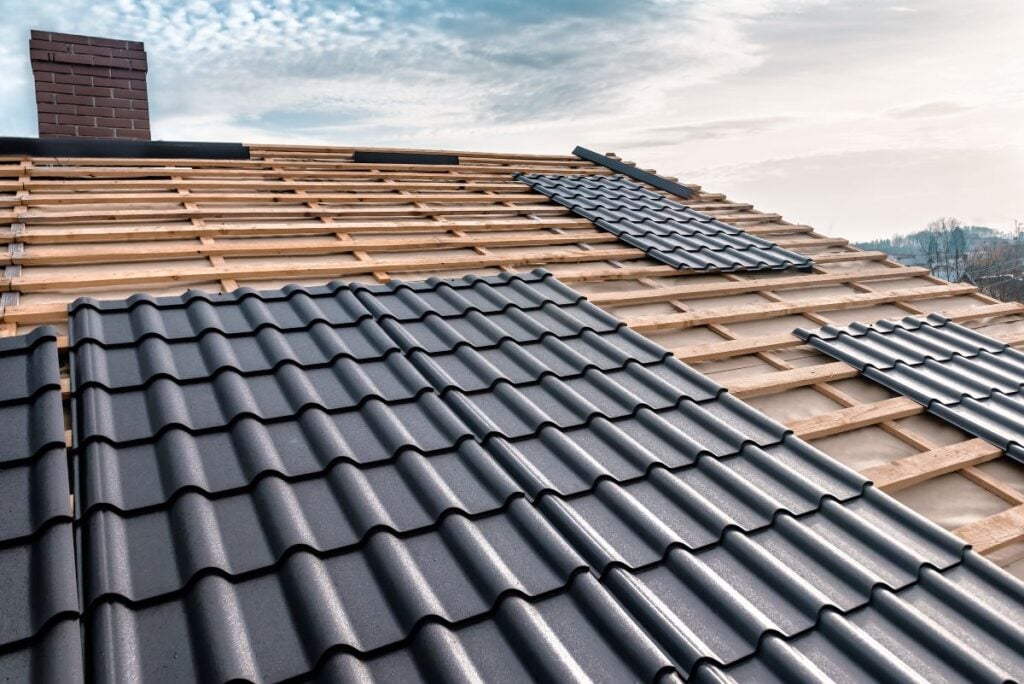
Once the deck is exposed and inspected, the crew installs new underlayment and any required insulation. This phase of metal roofing installation is critical because underlayment provides a secondary layer of protection against water and moisture. The underlayment type, thickness, and installation method all depend on the chosen metal roofing system and local code requirements. A properly installed substrate creates a strong, stable, waterproof base for the metal panels above.
- Underlayment placement: Install underlayment across the entire roof deck.
- Insulation strategy: Add insulation as needed to meet performance targets.
- Moisture protection: Underlayment provides a secondary barrier against leaks.
6. Metal Panel Installation and Detail Work
With the substrate in place, the crew installs the metal roofing panels and completes all detail work around penetrations, edges, and flashings. Panel installation varies by system, but it typically involves precise alignment, secure fastening, and careful seaming or interlocking of panels. Detail work includes flashing around HVAC units, vents, and roof edges, along with finishing all transitions. This step is where the skill of the commercial roofing contractor has the biggest impact on long-term performance.
- Panel alignment: Install panels with precise alignment across the roof.
- Fastening and seaming: Secure panels using the correct fastening methods.
- Flashing details: Finish all penetrations, edges, and transitions with precision.
7. Final Inspection, Cleanup, and Warranty Registration
The final step in a professional metal roofing installation is a thorough inspection, complete cleanup, and registration of the manufacturer warranty. The commercial roofing contractor reviews every panel, flashing, and detail to confirm the installation meets quality standards. Site cleanup ensures the property is left in great condition, and warranty paperwork is submitted to protect the long-term investment. A strong final phase brings the project to a smooth, professional close.
- Final inspection: Review every detail of the completed metal roofing system.
- Site cleanup: Remove all debris and restore the property to its original condition.
- Warranty registration: Submit warranty paperwork to activate manufacturer coverage.
Common Types of Metal Roofing
Several types of metal roofing are available for commercial buildings, each with its own strengths and ideal applications. Understanding the most common options helps property owners make the right choice for their project.
Standing Seam Metal Roofing
Standing seam is one of the most popular metal roofing systems for commercial buildings. It features vertical panels with raised seams that interlock to create a strong, watertight surface. Standing seam offers a sleek modern appearance, excellent water shedding, and long lifespans that often exceed 40 years. This metal roofing system is a strong choice for commercial buildings that prioritize durability and design.
- Modern appearance: Standing seam offers a clean, contemporary look.
- Watertight seams: Interlocked seams provide strong water resistance.
- Long lifespan: Standing seam roofs often last 40 to 60 years.
Corrugated Metal Roofing
Corrugated metal roofing is another common metal roofing option for commercial buildings. It features overlapping wavy or ribbed panels that are typically fastened to the roof with exposed screws. Corrugated metal is often more affordable than standing seam and installs efficiently on many commercial buildings. It is a strong choice for warehouses, agricultural buildings, and other commercial properties looking for durability at a lower cost.
- Affordable option: Corrugated metal is one of the most budget-friendly systems.
- Efficient installation: Panels install quickly on many commercial buildings.
- Strong durability: Delivers reliable performance across many years.
Metal Shingles and Tiles
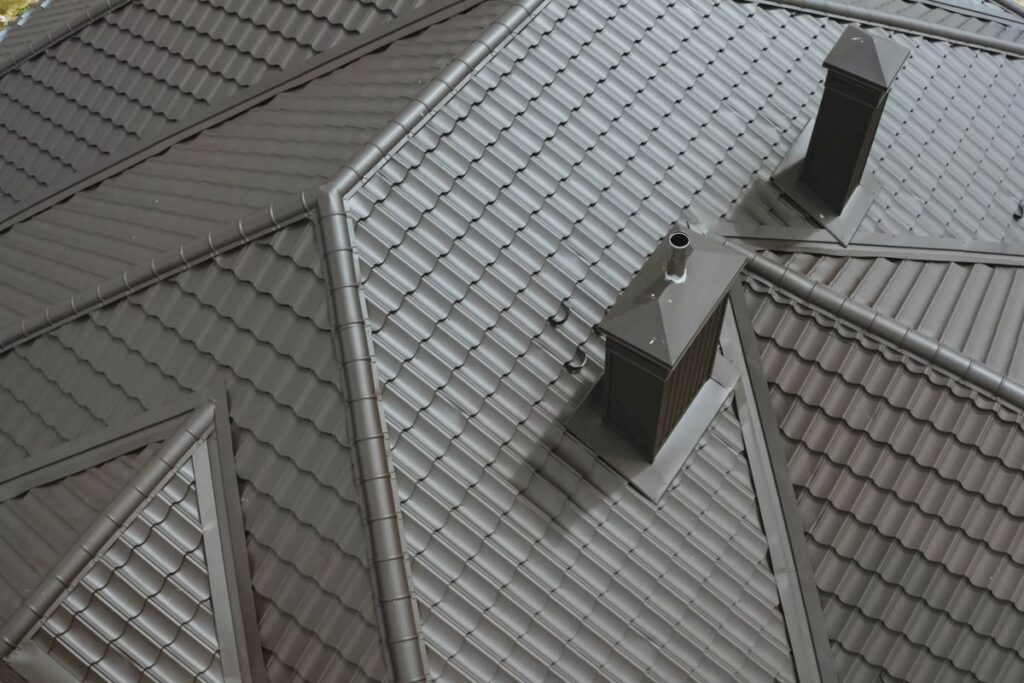
Metal shingles and tiles are a decorative metal roofing option that combines the durability of metal with the appearance of traditional shingle or tile roofing. They are often used on commercial buildings where design and appearance are important. Metal shingles and tiles deliver strong weather resistance and long lifespans while offering a distinct look. They are a smart choice for commercial buildings that need both performance and visual appeal.
- Design flexibility: Metal shingles and tiles offer many appearance options.
- Long lifespan: These systems can last decades with proper installation.
- Strong performance: Metal shingles hold up well against weather and wear.
Common Mistakes to Avoid in Metal Roofing Installation
Even with a clear installation process, certain mistakes can compromise the quality and longevity of a metal roofing project. Being aware of these common pitfalls helps commercial property owners choose the right contractor and avoid costly errors.
Choosing Price Over Quality
Choosing a commercial roofing contractor based solely on price is one of the most common mistakes in metal roofing installation. The lowest bid often reflects shortcuts in materials, labor, or both, which can shorten the lifespan of the new roof. A well-executed metal roofing installation requires skilled crews, quality materials, and detailed workmanship. Property owners are almost always better served by choosing a contractor based on experience, reputation, and overall value.
- Material shortcuts: Low bids often involve cheaper, less durable materials.
- Labor concerns: Rushed crews can compromise installation quality.
- Long-term costs: Lower upfront prices often lead to higher lifetime expenses.
Skipping Detailed Planning
Skipping or rushing the planning phase is another common mistake that leads to metal roofing problems. Without a thorough inspection, material selection, and project plan, important issues can be missed before installation begins. This often leads to surprises during the project, change orders, and additional costs. A detailed planning process protects both the timeline and the budget of a metal roofing installation.
- Missed damage: Skipped inspections allow hidden issues to remain.
- Change orders: Poor planning often leads to mid-project adjustments.
- Budget overruns: Surprises during installation can increase the project cost.
Get Expert Metal Roofing Installation With Classic Construction
A professional metal roofing installation is one of the smartest investments a commercial property owner can make. From the initial inspection and material selection to the final cleanup and warranty registration, every step of the process plays a role in long-term performance. The right plan paired with the right contractor delivers a durable, energy-efficient metal roof that protects your property for decades.
At Classic Construction, we specialize in professional metal roofing installation, replacement, and repair across Minnesota and Wisconsin. Our team brings deep experience with standing seam, corrugated, and other metal roofing systems, expert craftsmanship, and a proactive approach that protects your investment from start to finish. If you are planning a metal roofing installation for your commercial property, contact Classic Construction today to schedule a free roof inspection and get a clear, accurate plan for your project.


