

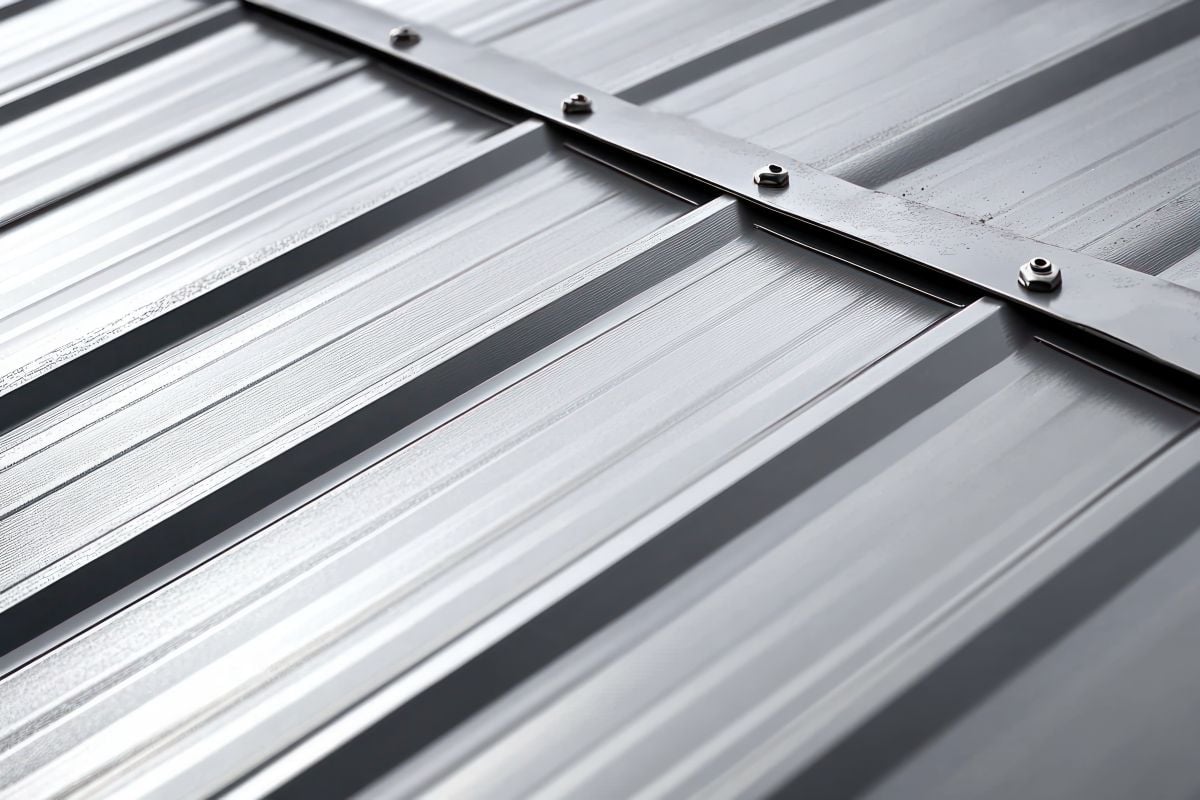
Corrugated metal roofing panels are one of the most popular and affordable metal roofing options for commercial buildings, offering strong durability, fast installation, and reliable long-term performance. Their familiar wavy or ribbed appearance has become a standard sight on warehouses, agricultural buildings, and many other commercial properties across the country. Like any roofing system, corrugated metal comes with its own set of advantages and trade-offs that property owners should carefully consider before making a decision. This guide breaks down the top five pros and five cons of corrugated metal roofing panels to help you decide if the system is right for your commercial property.
- Cost-effective option: Corrugated metal roofing panels are one of the most affordable metal roofing choices.
- Strong durability: These panels deliver long lifespans and reliable weather resistance.
- Trade-offs to consider: Corrugated metal has several drawbacks worth understanding before installation.
Why Corrugated Metal Roofing Panels Are So Popular
Corrugated metal roofing panels have been a trusted commercial roofing option for decades. Their combination of affordability, durability, and ease of installation has made them a top choice for many commercial buildings, especially those with straightforward roofing needs.
The Rise of Corrugated Metal in Commercial Buildings
Corrugated metal roofing panels have grown in popularity for commercial buildings thanks to their strong balance of cost and performance. The wavy or ribbed panel design adds structural strength while using less material, which keeps costs down. According to the Metal Roofing Alliance, metal roofing systems now last two to three times longer than traditional asphalt options, making them a preferred choice for property owners focused on long-term value. This makes corrugated metal a practical choice for large commercial roofs where budget and lifespan both matter.
- Structural strength: The ribbed design adds durability without extra material.
- Cost-friendly: Corrugated panels are one of the more affordable metal roofing options.
- Wide availability: These panels are stocked and produced in many sizes.
Common Applications and Uses
Corrugated metal roofing panels are commonly used on warehouses, agricultural buildings, storage facilities, and industrial properties. Their functional appearance and strong performance make them a smart fit for buildings where durability matters more than premium appearance. Corrugated metal is also used on some commercial buildings that want an industrial or utilitarian look. The panels can handle a range of climates and building sizes across regions like Minnesota and Wisconsin.
- Warehouses: Corrugated metal is a common choice for large storage buildings.
- Agricultural buildings: Barns and equipment sheds often use corrugated panels.
- Industrial properties: Manufacturing and utility buildings benefit from strong durability.
5 Pros of Corrugated Metal Roofing Panels
The following five pros highlight the biggest advantages of corrugated metal roofing panels for commercial buildings. Each one contributes to why so many property owners choose this system for their properties.
1. Affordable Upfront Cost
One of the biggest pros of corrugated metal roofing panels is their affordable upfront cost. Compared to standing seam and other premium metal roofing systems, corrugated panels are significantly less expensive to purchase and install. This makes them a smart option for commercial property owners looking to get the durability of metal without the higher price tag. On large roofs, the savings can be substantial over the entire roofing budget.
- Lower material cost: Corrugated panels are less expensive per square foot.
- Fast installation: Simpler installation reduces labor costs.
- Big-project savings: Cost savings are especially significant on large commercial roofs.
2. Long Lifespan and Durability
Corrugated metal roofing panels deliver strong durability and a long lifespan when properly installed. According to industry sources including Corrugated Metals and the Metal Roofing Alliance, a corrugated metal roof can last between 40 and 70 years, which is more than double the lifespan of a traditional asphalt shingle roof. The ribbed design also adds structural strength that helps the panels stand up to weather, foot traffic, and other stresses. This long service life makes corrugated metal a smart long-term investment for many commercial buildings.
- Long service life: Corrugated panels typically last 40 to 70 years.
- Structural strength: The ribbed design supports strong long-term performance.
- Weather resilience: Metal panels resist damage from many types of weather.
3. Fast and Efficient Installation
Fast and efficient installation is another major pro of corrugated metal roofing panels. The large panels cover more roof area per piece than many other systems, which speeds up the installation process. This helps commercial property owners minimize business disruption during a roof replacement. Faster installation also lowers labor costs and gets buildings back to normal operation more quickly.
- Large panels: Big panels cover more roof area per installation cycle.
- Reduced labor: Faster installation lowers overall labor costs.
- Less disruption: Quick installation minimizes downtime for commercial tenants.
4. Strong Weather and Hail Resistance
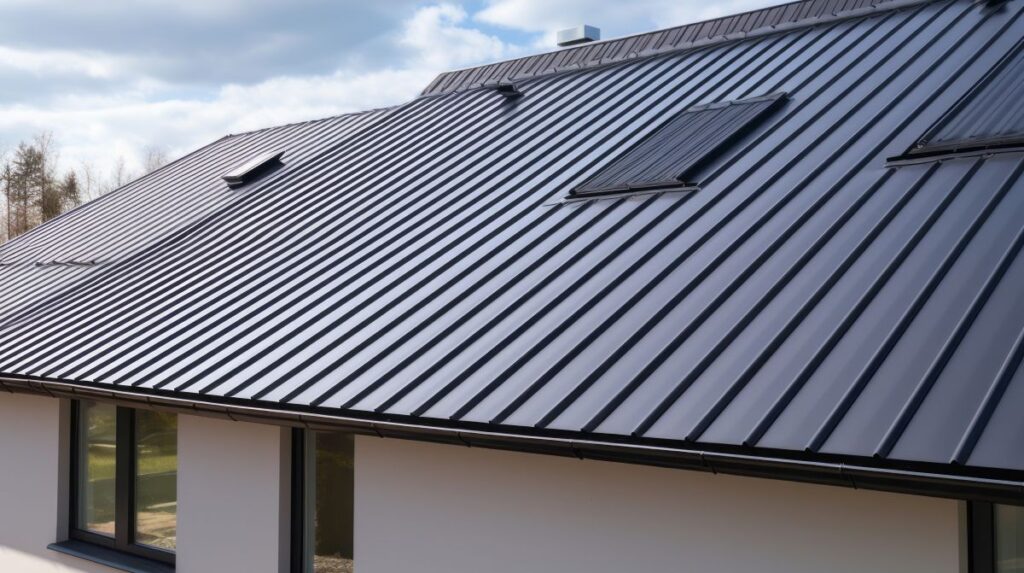
Corrugated metal roofing panels offer strong weather resistance, which is a major advantage in climates like Minnesota and Wisconsin. Research from the Insurance Institute for Business and Home Safety has found that metal roofing can withstand hail up to two inches in diameter without sustaining damage, giving it significantly better performance than many other roofing materials in hail-prone regions. Coated corrugated panels also resist rust and corrosion effectively across seasons of exposure. This makes them a smart choice for commercial buildings that need dependable protection through changing weather.
- Hail resistance: Metal panels can withstand hail up to two inches in diameter.
- Wind resistance: Proper installation supports strong performance in high winds.
- Corrosion protection: Modern coatings help resist rust and corrosion.
5. Energy Efficiency and Recyclability
Corrugated metal roofing panels can also support strong energy efficiency and sustainability goals. According to the U.S. Department of Energy, cool metal roofs can reduce cooling costs by up to 25 percent thanks to their reflective surface. The Metal Roofing Alliance reports that most metal roofs are made with a minimum of 25 percent recycled content and are 100 percent recyclable at the end of their lifespan. These environmental benefits are increasingly important to commercial property owners looking to meet sustainability targets and lower long-term operating costs.
- Cooling cost savings: Cool metal roofs can lower cooling costs by up to 25 percent.
- Recycled content: Metal roofing typically contains at least 25 percent recycled material.
- End-of-life recycling: Metal roofs are 100 percent recyclable at the end of their service life.
5 Cons of Corrugated Metal Roofing Panels
While corrugated metal roofing panels offer many advantages, they also come with several trade-offs that commercial property owners should carefully consider. Understanding these cons helps you make a fully informed decision.
Exposed Fasteners Can Wear Over Time
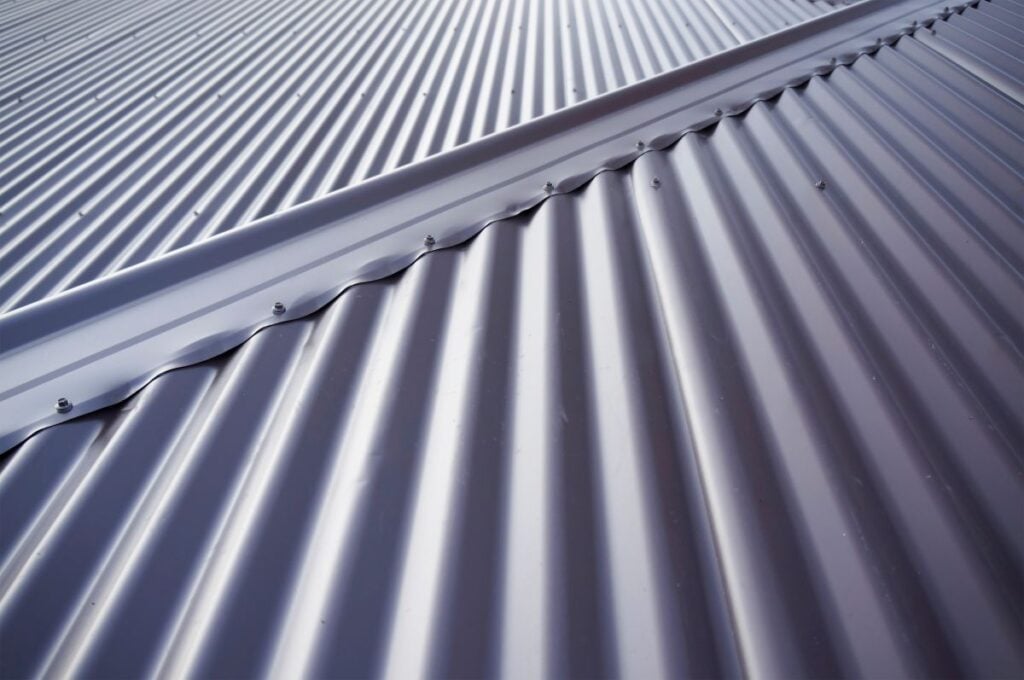
One of the biggest cons of corrugated metal roofing panels is their reliance on exposed fasteners. These screws hold the panels in place but are visible on the roof surface and exposed to weather. Over time, exposed fasteners can loosen, corrode, or wear out, which may lead to leaks and require ongoing maintenance. Regular inspections and maintenance help address these issues, but they remain a long-term consideration for any corrugated metal installation.
- Fastener wear: Exposed fasteners can loosen or corrode over time.
- Leak risk: Worn fasteners may become leak points on the roof.
- Ongoing maintenance: Regular inspection and replacement of fasteners is needed.
Potential Noise During Rain and Storms
Corrugated metal roofing panels can produce more noise during rain and storms compared to other roofing systems. Without proper insulation and underlayment, the sound of rain, hail, or wind can be noticeable inside the building. This is especially important on commercial buildings where noise could affect tenants, employees, or operations. Adding insulation and quality underlayment during installation can significantly reduce this issue on any commercial metal roofing project.
- Rain noise: Rain can produce noticeable sound on metal roofs.
- Hail impact: Hail can amplify noise during severe storms.
- Sound mitigation: Insulation and underlayment help reduce noise levels.
Requires Skilled Installation
Corrugated metal roofing panels may look simple to install, but they require skilled workmanship to perform properly. Improper installation can lead to leaks, fastener issues, and premature panel failure. According to the Metal Construction Association, panel gauge also plays a significant role in long-term performance, with 26-gauge steel roofing lasting up to 20 percent longer than 29-gauge steel. A qualified commercial roofing contractor with experience installing corrugated metal is essential to a successful project.
- Fastener placement: Screws must be placed and torqued correctly.
- Panel alignment: Panels must be aligned precisely for proper waterproofing.
- Panel gauge: Heavier gauges deliver longer service life than lighter gauges.
Aesthetic Limitations
Corrugated metal roofing panels have a functional, industrial appearance that may not fit every commercial building. While they look great on warehouses, agricultural buildings, and industrial facilities, they may feel out of place on higher-end retail centers, professional office buildings, or upscale properties. Property owners looking for a more polished or premium look may prefer standing seam or metal shingles. Considering the aesthetic fit is an important part of the decision for any commercial property.
- Industrial look: Corrugated metal has a utilitarian appearance.
- Limited premium appeal: May not suit higher-end commercial buildings.
- Style alternatives: Standing seam or metal shingles offer more polished looks.
Thermal Movement Requires Careful Design
Corrugated metal roofing panels expand and contract with temperature changes, which is an important consideration during design and installation. If thermal movement is not accounted for correctly, panels can develop stress at fastener points or seams. This is especially important in climates like Minnesota and Wisconsin where temperature swings are significant. Working with an experienced contractor who understands thermal movement helps avoid this issue during installation.
- Expansion and contraction: Metal panels move with temperature changes.
- Stress points: Improper design can create stress at fasteners and seams.
- Climate considerations: Thermal design matters most in high-variability climates.
Is Corrugated Metal Roofing Right for Your Commercial Building?
Deciding if corrugated metal roofing panels are right for your commercial building depends on several factors. Understanding both the pros and cons helps you make an informed decision based on your specific needs.
Ideal Applications for Corrugated Metal
Corrugated metal roofing panels work best on commercial buildings where durability, affordability, and long lifespan matter most. Warehouses, storage facilities, agricultural buildings, and industrial properties are all ideal fits. These buildings benefit from the strengths of corrugated metal and are less affected by its aesthetic limitations. If your building matches this profile, corrugated metal is worth serious consideration for your next roofing project.
- Warehouses: Large commercial storage buildings benefit from cost-effective corrugated panels.
- Agricultural buildings: Barns and equipment sheds fit well with corrugated metal.
- Industrial properties: Manufacturing and utility buildings pair well with durable metal.
Work With an Experienced Commercial Roofing Contractor
An experienced commercial roofing contractor is one of the most valuable resources for any property owner considering corrugated metal roofing panels. The right contractor will evaluate your building, discuss your goals, and recommend whether corrugated metal is the best fit. They will also handle the installation with the skill and precision needed for long-term performance. This guidance helps you avoid costly mistakes and maximize the value of your investment.
- Building evaluation: A strong contractor evaluates whether corrugated metal fits your building.
- Local expertise: Contractors familiar with Minnesota and Wisconsin know what performs well locally.
- Installation quality: Experienced installers deliver long-lasting results.
Explore Corrugated Metal Roofing With Classic Construction
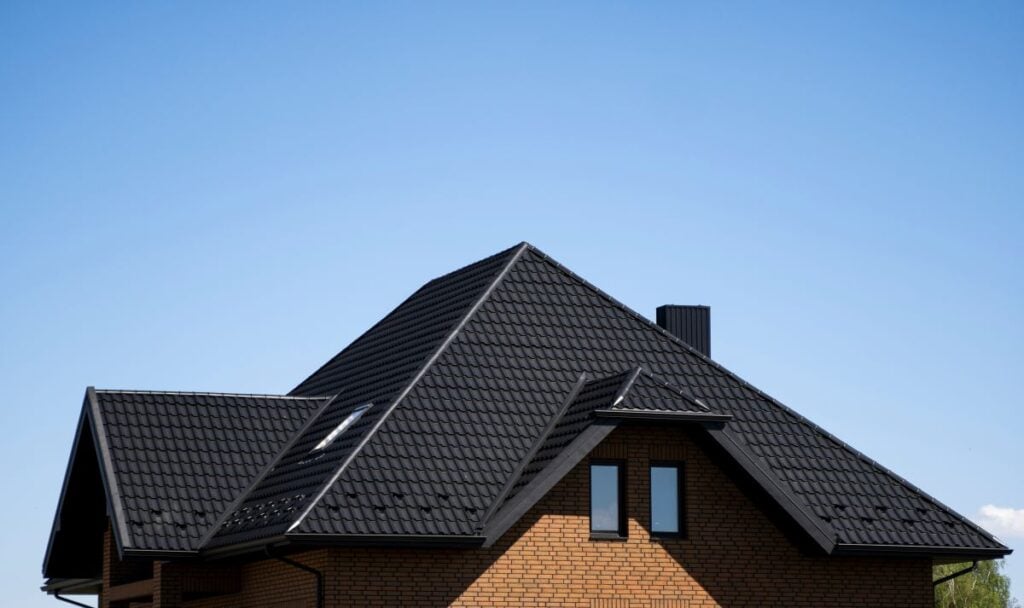
Corrugated metal roofing panels offer a strong mix of affordability, durability, and long-term performance for many commercial buildings. From cost savings and fast installation to weather resistance and recyclability, the pros are significant. At the same time, factors like exposed fasteners, noise, and aesthetic limitations mean the system is not the right fit for every project. The right choice paired with the right contractor delivers years of strong performance for the right commercial buildings.
At Classic Construction, we specialize in professional metal roofing installation, replacement, and repair across Minnesota and Wisconsin. Our team brings deep experience with corrugated metal, standing seam, and other commercial metal roofing systems, expert craftsmanship, and a proactive approach that protects your investment for the long term. If you are considering corrugated metal roofing panels for your commercial building, contact Classic Construction today to schedule a free roof inspection and get a clear, professional recommendation for your project.


