

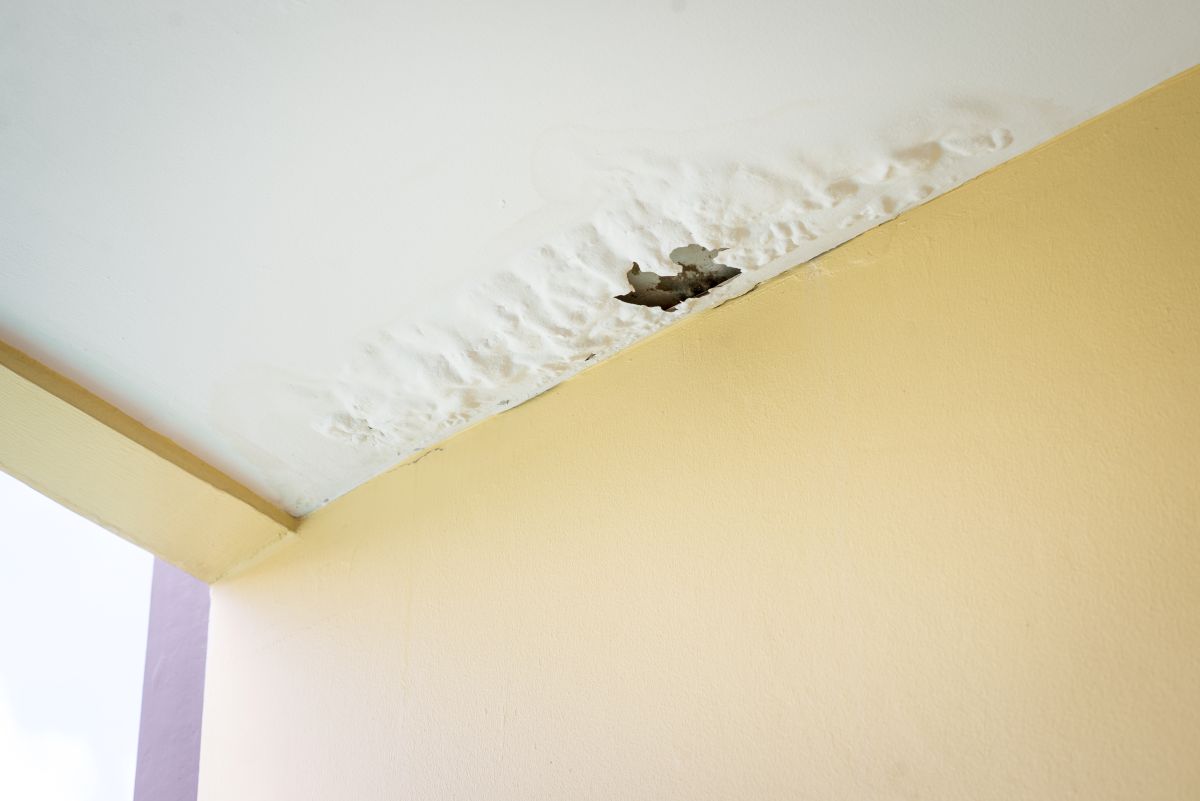
A leaky roof rarely announces itself until the damage is already spreading through your ceiling, insulation, and walls. Understanding residential roof leak repair early can save homeowners in Minneapolis and surrounding areas thousands of dollars in avoidable repairs and further damage. Whether the leak is new or has been quietly growing for months, knowing how to spot it, stop it, and fix it properly starts with catching the small warning signs before they turn into a costly problem, and pairing that awareness with the guidance found through trusted roofing and repair support makes the process far less stressful.
Here’s a quick look at what this guide covers:
- Why prompt leak repair protects your home’s value and safety
- The most common causes behind residential roof leaks
- Practical ways to strengthen your roof against future damage
- A comparison of repair versus replacement options
- Answers to the most common questions homeowners ask
Why Fixing Roof Leaks Quickly Matters
A small drip today can become structural damage tomorrow, and homeowners often underestimate how quickly minor issues turn into costly repairs once water finds a way inside. Roofs are designed to shed heavy rain efficiently, so even a minor breach can let dripping water travel far from its original entry point. Early detection matters: musty odors and other affected areas are often the first clue that small leaks have been quietly at work for weeks.
- Protects structural integrity: Water that seeps into wood framing and decking can weaken the structure, leading to sagging or rot.
- Prevents mold growth: Damp, dark spaces created by leaks are ideal breeding grounds for mold, affecting indoor air quality.
- Preserves home value: Unresolved leaks and water stains are red flags for buyers and can lower resale value.
- Reduces long-term costs: Addressing a leak early is almost always cheaper than repairing extensive water damage later.
Homeowners throughout Minneapolis and surrounding areas deal with a unique mix of seasonal freeze-thaw cycles, heavy snow loads, and summer storms, all of which put extra stress on roofing materials, particularly an old roof nearing the end of its service life. That combination makes routine attention especially important, since problems that take years to develop in milder climates can show up much faster here, while a well-maintained roof also supports better energy efficiency.
6 Common Causes of Residential Roof Leaks
Most roof leaks trace back to several factors rather than a single cause. Below is a breakdown of the most frequent sources of roof damage homeowners encounter, along with what to look for.
1. Damaged or Missing Shingles
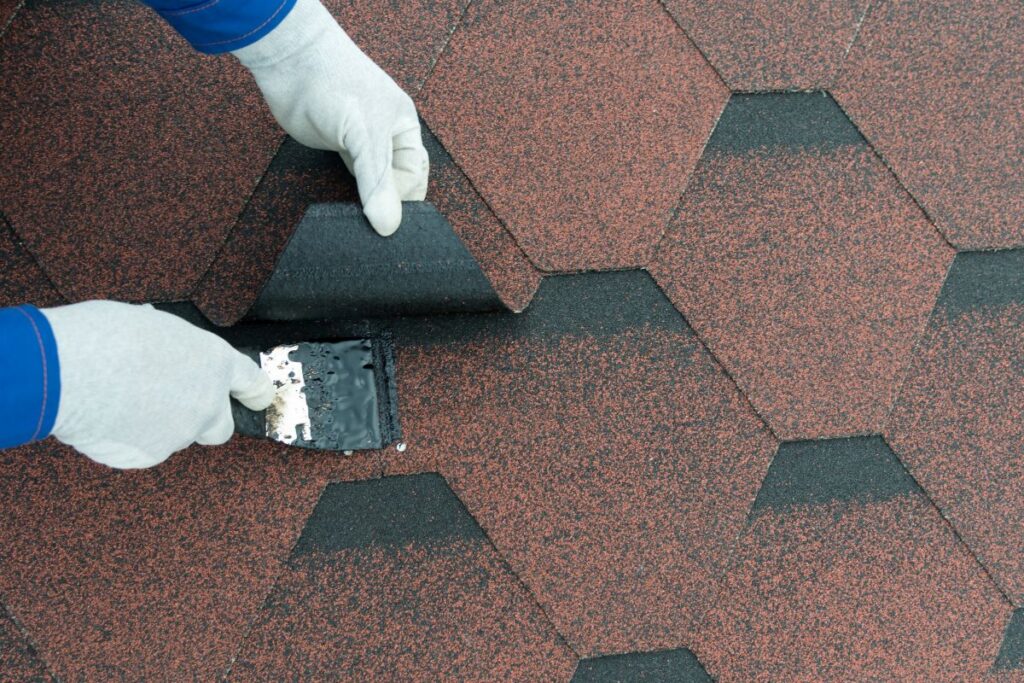
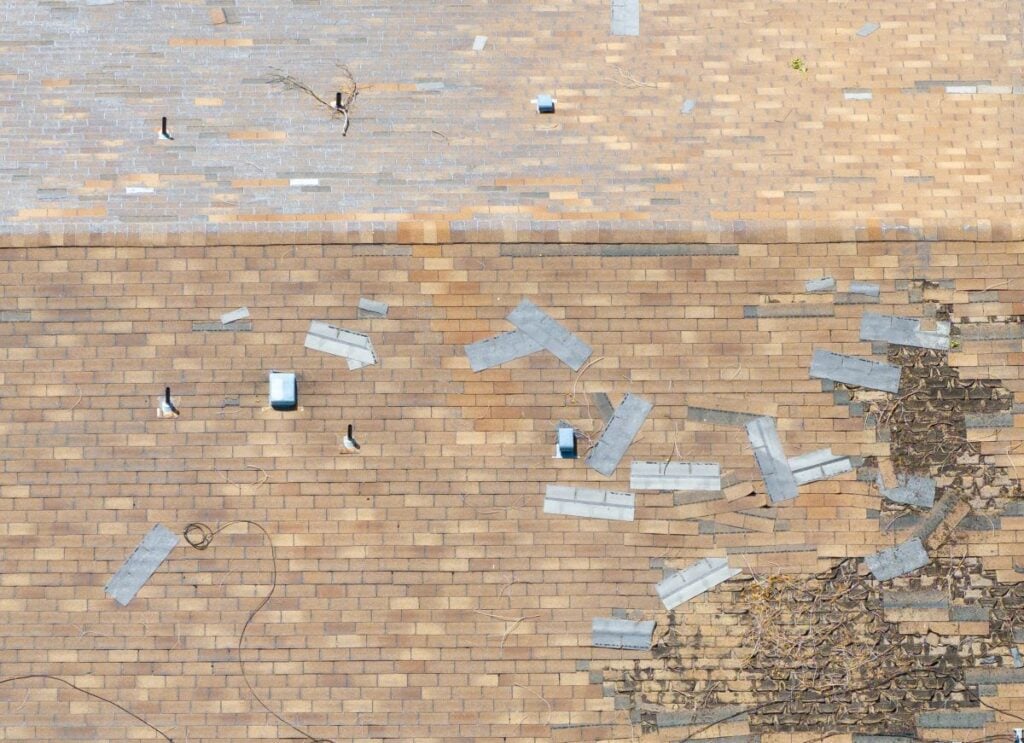
Shingles act as your roof’s first line of defense, and once damaged shingles crack, curl, or blow away, water has a direct path underneath. This is especially common with asphalt shingles, since high winds and hail are frequent triggers.
- Look for shingles that appear lifted, torn, or discolored
- Check gutters and yard for granules or shingle fragments after storms
2. Flashing Failures
Flashing is the metal barrier around chimneys, vents, and skylights, sealing the roof penetrations where water is most likely to sneak in. When it corrodes or loosens, water can slip through these seams with ease.
- Inspect areas around chimneys and vent pipes for gaps
- Watch for rust streaks or visible separation from the roofline
3. Clogged or Damaged Gutters
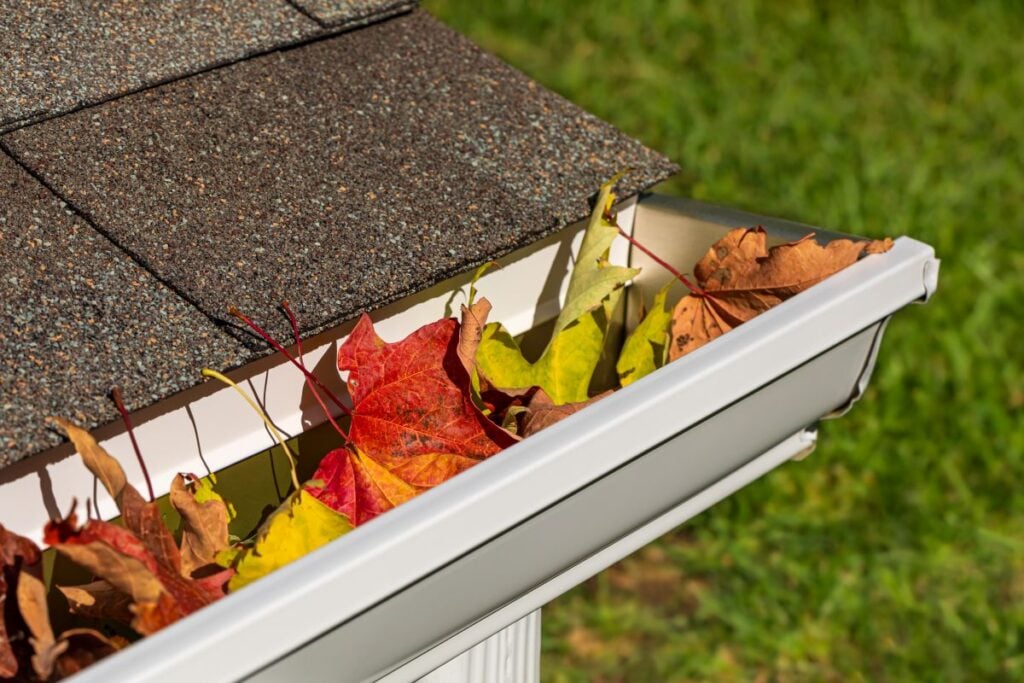
Clogged gutters that are packed with leaves, debris, or ice can no longer direct water away from the roof edge, causing it to back up underneath shingles instead.
- Clean gutters at least twice a year, more often near trees
- Check for sagging sections that trap standing water
4. Ice Dams
In colder climates, heat escaping from the attic melts snow on the upper roof, which refreezes at the colder eaves. This creates a dam that forces water backward under the shingles.
- Improve attic insulation and ventilation to reduce heat loss
- Remove excess snow buildup with a roof rake after heavy storms
5. Cracked Vent Boots
The rubber or plastic seals around roof vents, known as vent boots, naturally degrade with sun and temperature swings, eventually cracking and allowing water in.
- Examine vent boots for visible splits or brittleness
- Replace boots proactively every 10 to 15 years
6. Aging Roof Materials
Every roofing material has a natural lifespan, and as it nears the end of that window, it becomes more prone to leaks even without an obvious storm event.
- Track your roof’s installation date and expected lifespan
- Schedule a professional inspection once your roof passes the ten-year mark
Identifying which issue applies to your home makes it easier to communicate with a contractor. Often more than one factor is contributing at once, which is why a thorough inspection is so valuable.
Strengthening Your Roof Against Future Leaks
Fixing an existing leak is only part of the equation, since a resilient roof also needs ongoing attention to prevent new problems. Building good habits around inspection and maintenance pays off over the life of your roof.
- Schedule seasonal inspections. A quick visual check in spring and fall catches small issues, like a lifted shingle or clogged downspout, before weather makes them worse.
- Trim overhanging branches. Trees too close to the roofline can drop debris, scrape shingles during windstorms, and give pests easy access.
- Maintain proper attic ventilation. Balanced airflow keeps temperatures consistent across the roof deck, reducing ice dams and moisture buildup.
- Address minor repairs quickly. A loose shingle or small crack in flashing is inexpensive to fix now but can escalate if ignored.
- Keep detailed maintenance records. Documenting past repairs and warranties gives you and any contractor a clearer picture of your roof’s history.
Homeowners in Minneapolis and surrounding areas who stay consistent with these habits tend to spend far less on emergency repairs. Prevention is almost always more affordable than reacting to an active leak.
Repair Versus Replacement: Making the Right Call
Not every leak requires a full roof replacement, but knowing when a repair is sufficient versus when replacement is the smarter investment can be confusing. The table below outlines general guidelines to help frame that decision.
| Situation | Likely Solution |
| Isolated leak, roof under 10 years old | Targeted repair |
| Leak in multiple locations, roof 15+ years old | Full or partial replacement |
| Minor flashing or vent boot issue | Quick repair |
| Widespread shingle deterioration | Replacement recommended |
| Recent storm damage with insurance claim | Depends on inspection and adjuster findings |
Age, extent of damage, and the number of previous repairs all factor into this decision. A roof nearing the end of its expected lifespan that develops a new leak is often a signal that replacement will be more cost-effective than continuing to patch isolated problem areas.
Choosing the Right Roof Repair Contractor
Whether you need a small patch or a full replacement, the roofing contractor you hire matters just as much as the repair itself. A professional roofing contractor with proper credentials protects both your home and your investment.
- Confirm proper licensing and insurance before signing any agreement, and ask about their warranty on workmanship
- Check Better Business Bureau ratings and request local references before hiring
- Be cautious of any roof repair contractor demanding full payment upfront, and compare a few quotes for competitive pricing
What Roof Repair Services Typically Cost
Understanding typical pricing helps you evaluate quotes and make informed decisions before committing to a project. Most residential roof leak repairs cost between $350 and $1,500, though the final number depends on the scope of work involved.
- Minor repairs generally run $600 to $1,200, moderate roof damage $1,200 to $2,500, and major repairs $2,500 to $5,000
- Emergency roof repair services may carry a 25 to 50 percent premium over standard scheduling
These figures are general benchmarks, since your specific needs, roof size, and material choice shape the final quote. A one-time issue like a fallen branch usually points toward a straightforward repair, while leaks tied to general wear across the entire surface often signal that replacement is the smarter long-term investment.
Frequently Asked Questions About Residential Roof Leak Repair
Homeowners often have similar questions when they first notice signs of a leak. Here are answers to some of the most common ones.
How can I tell where a roof leak is actually coming from?
Water often travels along rafters or decking before dripping, so the wet spot on your ceiling may be several feet away from the entry point. Common trouble spots include plumbing vent boots and roof valleys, and musty odors or daylight through attic boards are strong warning signs. A professional inspection using moisture detection tools is the most reliable way to pinpoint the exact source.
Is it safe to patch a roof leak myself?
Minor, accessible repairs like resealing a small gap around a vent may be manageable for experienced homeowners, provided the sealant is applied only to clean and dry surfaces for proper adhesion. That said, working at height carries real risk, and misdiagnosing the source can lead to repeated damage.
How much does residential roof leak repair typically cost?
Costs vary depending on the cause and extent of damage, but a professional assessment is the best way to get an accurate estimate for your specific situation.
Will my homeowner’s insurance cover a roof leak?
Coverage often depends on the cause of the leak. Storm or wind damage is commonly covered, while leaks caused by long-term neglect or age-related wear typically are not.
How often should I have my roof inspected to avoid leaks?
Most experts recommend at least two inspections per year, ideally in spring and fall, along with additional checks after major storms or severe weather events.
What should I do if I have an emergency roof leak during a storm?
Temporary emergency tarping can limit additional damage until a permanent fix is possible, and many emergency roof repair services are available 24/7. Document the damage with photos right away to make any insurance claim smoother.
If you still have questions specific to your home’s situation, a professional evaluation is always the best way to get clear, personalized answers.
Protect Your Home Before the Next Storm
A residential roof leak is rarely just a small annoyance. Left unaddressed, it can compromise your home’s structure, indoor air quality, and long-term value. Understanding the causes and solutions outlined above puts you in a much stronger position as a homeowner.
Classic Construction has spent years helping homeowners protect their properties from the damage that leaks can cause, combining thorough inspections with lasting repair solutions built for a Minneapolis and surrounding areas climate. From identifying the root cause to completing quality repairs, having an experienced team on your side makes all the difference.
If you have noticed signs of a leak or simply want peace of mind before the next storm rolls through, contact us today to schedule a professional inspection and get a clear plan for keeping your roof in top condition.


