

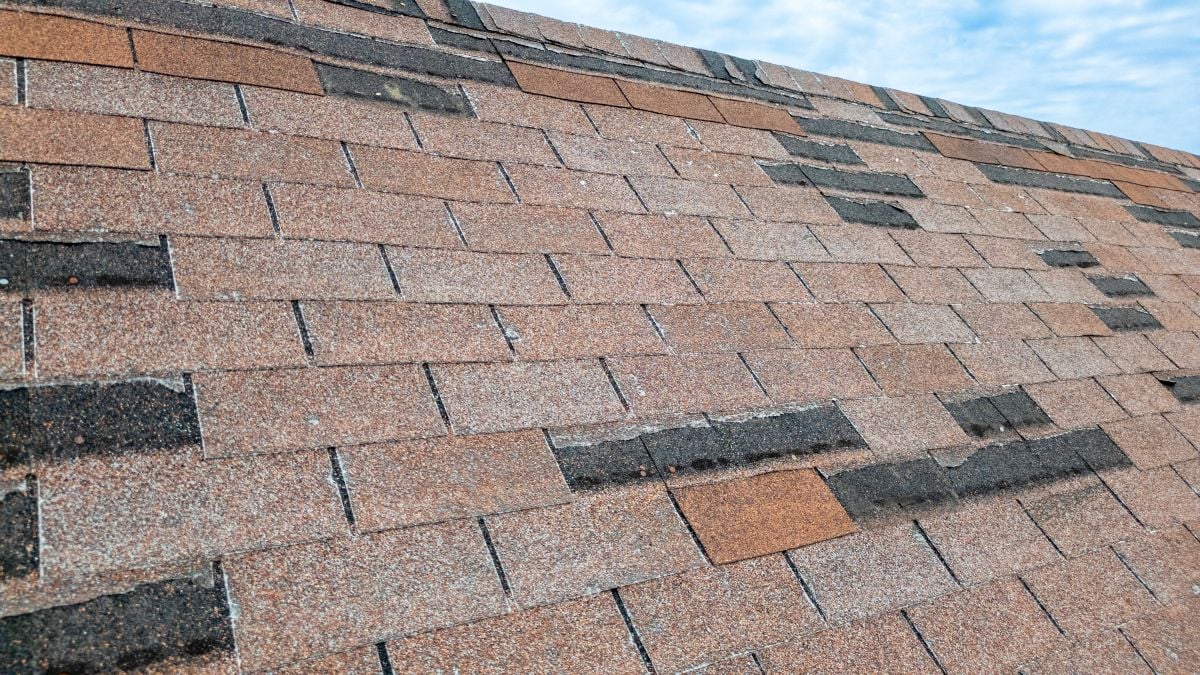
Severe weather can leave damage that is not always obvious from the ground, which is exactly why homeowners need to know what to look for once the storm passes. A thorough storm damage roof inspection, especially after hail damage, helps catch problems early, before they turn into leaks or larger structural issues. This complete guide, paired with a team that specializes in upscale homes, makes it much easier to confirm your roof came through the storm safely with a professional roof inspection when needed.
Here’s a quick look at what this guide covers:
- Why inspecting your roof after a storm matters so much
- Seven practical tips for checking storm damage safely
- How to prioritize repairs once damage is identified
- A side by side look at minor versus major storm damage
- Answers to common questions about post storm inspections
The Case for Inspecting After Every Storm
Storms can affect a roof in ways that are easy to miss from the driveway, and small issues left unchecked tend to grow worse with time and exposure. A cracked shingle or a loosened vent cover might not leak right away, but continued rain and wind can quickly turn a minor issue into a costly repair. Homeowners across Stillwater and surrounding areas deal with strong seasonal storms that can produce damaging wind, hail, and heavy rain within a short window of time.
- Catches damage early: Spotting problems right after a storm prevents small issues from becoming major repairs.
- Supports insurance claims: Documentation taken soon after a storm strengthens any claim you may need to file.
- Protects your home’s interior: Identifying roof damage early helps prevent moisture intrusion and mold growth from reaching ceilings, walls, and belongings.
- Extends roof lifespan: Addressing storm related wear promptly helps preserve structural integrity and roofing materials for years to come.
Making post storm inspections a habit gives homeowners a clear advantage, both for repairs and for any insurance process that follows. The tips below walk through exactly how to approach that inspection safely and thoroughly.
7 Tips for Inspecting Storm Damage
Checking a roof after a storm does not require you to safely climb onto it yourself, and in most cases it is safer not to, especially following severe storms. The following seven tips cover what to look for and how to approach the process without unnecessary risk.
1. Start With a Ground Level Walkaround
Before anything else, walk the perimeter of your home and look up at the roofline from a safe distance. Many signs of damage, from missing shingles to bent flashing, are visible without ever leaving the ground, regardless of your home’s specific roof covering or roof type.
- Use binoculars to get a closer look at hard to see areas
- Check for shingle debris scattered across the yard or driveway
2. Inspect Gutters and Downspouts
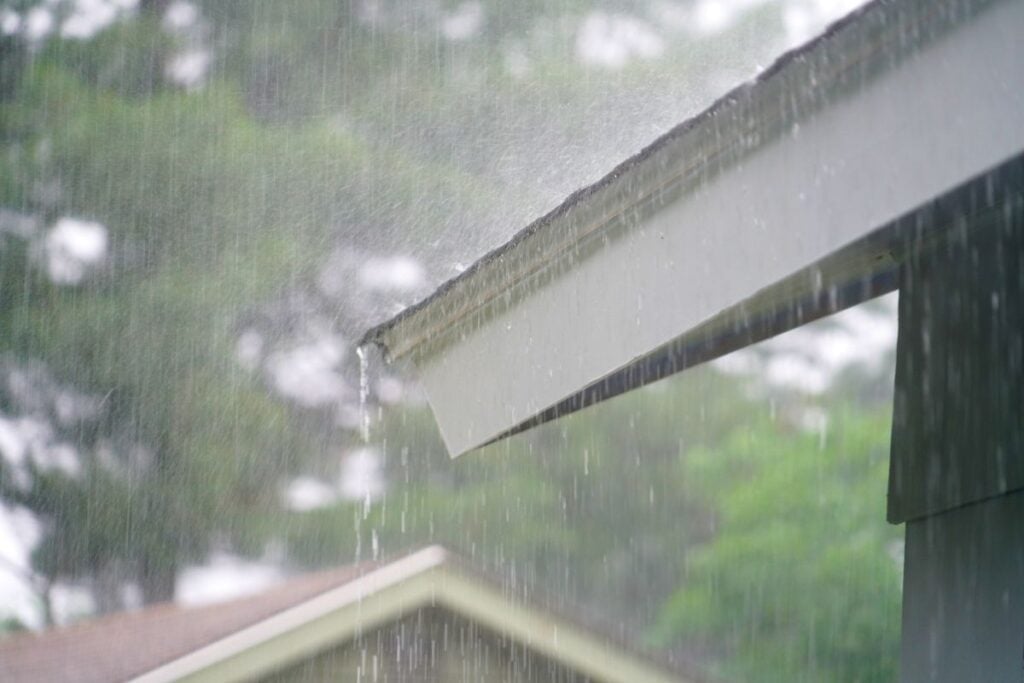
Gutters often show early evidence of storm damage, including dented gutters from hail or shingle granules washed down from damaged shingles. Clogged gutters can also signal granule loss that needs attention, and since gutters are usually easier to access than the roof itself, this is a good starting point for spotting trouble.
- Look for dented sections that suggest hail impact
- Check for excessive granule buildup after the storm
3. Check the Attic From the Inside
An attic inspection can reveal issues that are invisible from outside the home, particularly new leaks, water damage, or daylight coming through the roof deck. This step is especially useful after wind driven rain events, and it is also a good time to confirm your attic has proper attic ventilation.
- Bring a flashlight to notice water stains or dampness on the underside of the roof deck
- Look for daylight visible through the roof boards
4. Examine Flashing and Vent Covers
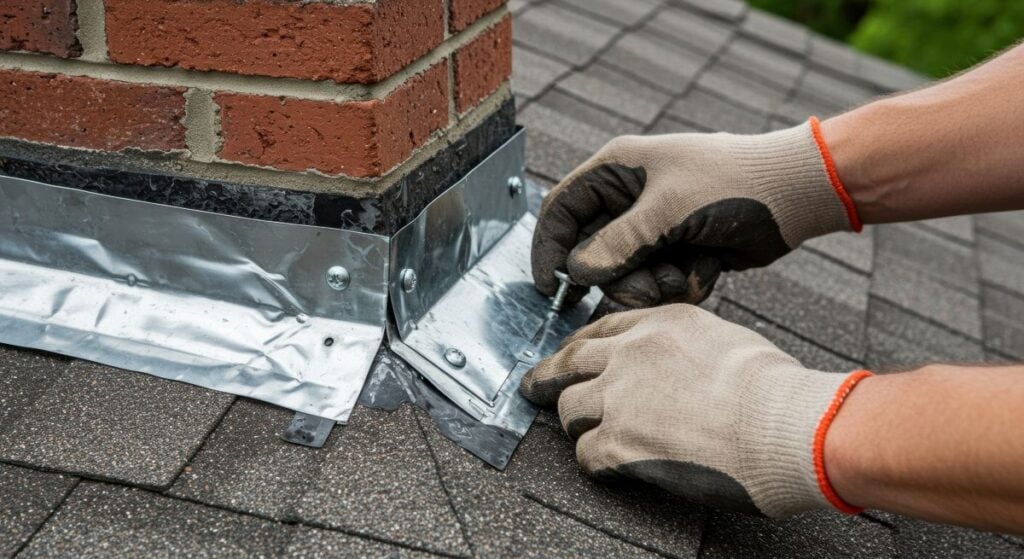
Flashing around chimneys, vents, and skylights is particularly vulnerable during high winds and hailstorms, and damage here weakens the broader roofing system. Damage here often leads to leaks even when the surrounding shingles appear intact, sometimes escalating into structural damage if left unaddressed.
- Look for bent, loose, or missing flashing sections
- Check vent covers for cracks or dislodged pieces
5. Look for Signs of Wind Damage
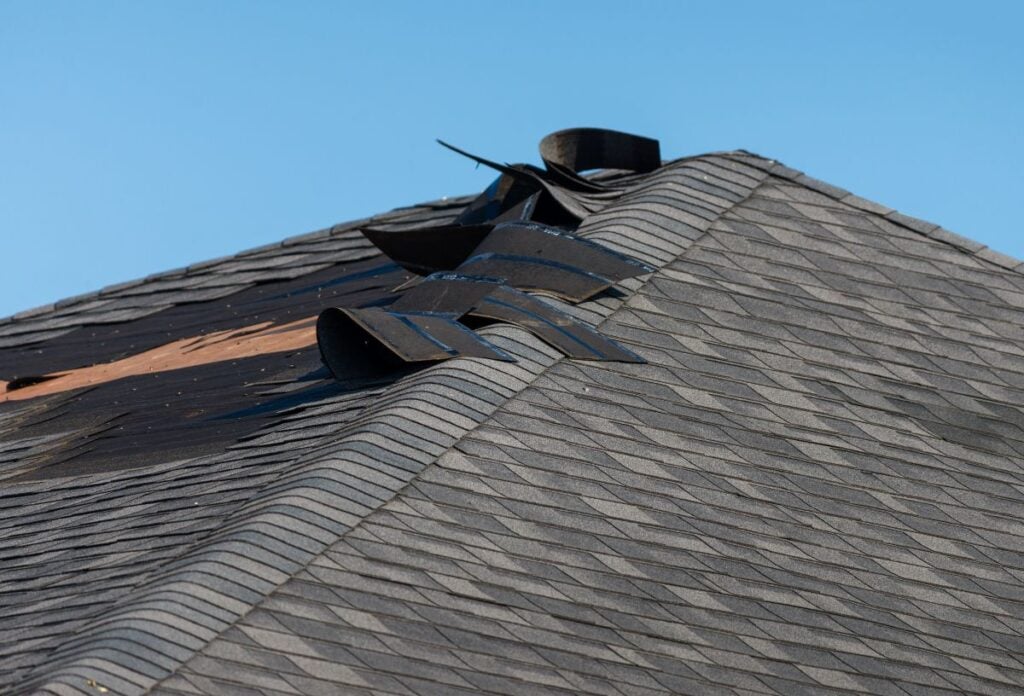
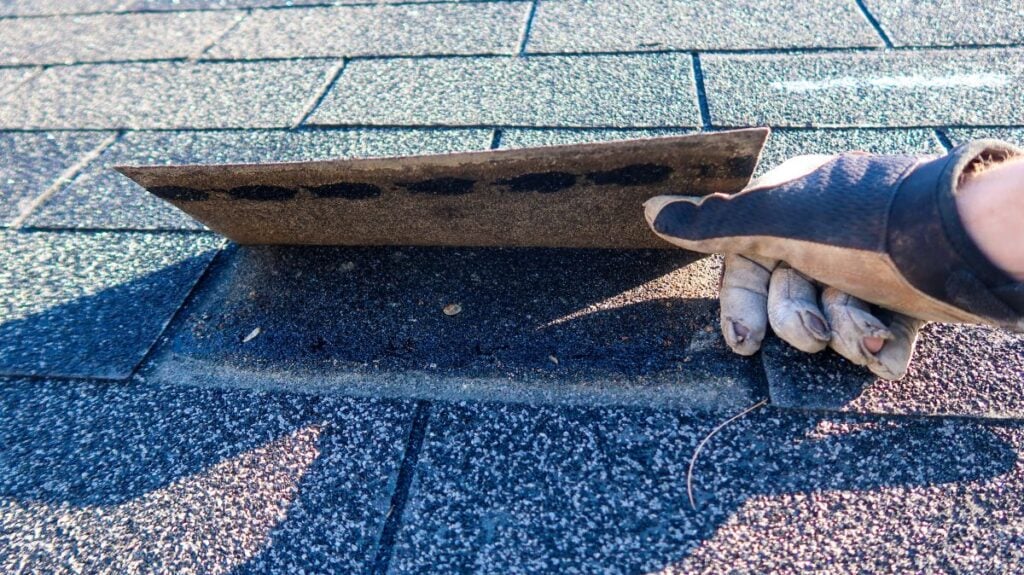
High winds can lift, tear, or completely remove shingles, especially along roof edges and ridgelines where wind pressure is strongest. Even shingles that remain in place may have lost their seal and could lift again during the next storm.
- Check roof edges and ridge lines for lifted or missing shingles
- Note any shingles that appear creased or folded
6. Assess Tree and Debris Impact
Falling branches and wind blown debris can cause impact damage that is sometimes more severe than the storm itself, occasionally even causing broken glass in skylights near the roofline. Even small branches can crack shingles or leave random dents in metal roofing components, and blocked drainage from debris can lead to standing water on flatter sections of roof.
- Look for broken branches resting on or near the roof
- Check for punctures or dents where debris made contact
7. Document Everything With Photos
Thorough photo documentation supports both repair planning and any damage assessment your insurance company may require. Photos taken soon after a storm are more reliable than memory alone once repairs are underway.
- Take wide shots of the entire roof from multiple angles
- Capture close up photos of any specific damage you find
Working through these seven steps helps homeowners detect issues and get a comprehensive picture of how a storm affected their roof without requiring rooftop access. If several signs of damage appear together, scheduling an inspection with roofing experts sooner rather than later is generally the safest next step.
Prioritizing Repairs After Storm Damage
Not every issue found during an inspection needs immediate attention, but understanding which problems to address first helps prevent significant damage from spreading further. A little planning after the initial inspection goes a long way toward protecting the rest of the home.
- Active leaks come first. Any sign of water actively entering the home should be addressed immediately, even with a temporary tarp, to prevent interior damage.
- Structural concerns follow closely. Sagging areas or exposed roof decking represent safety issues that should be handled before cosmetic repairs.
- Missing or damaged shingles matter next. Even without an active leak, exposed areas can quickly become a bigger problem during the next storm.
- Minor cosmetic damage can wait. Small dents in gutters or slightly displaced granules typically do not require emergency attention.
Homeowners throughout Stillwater and surrounding areas who prioritize repairs this way tend to avoid the most serious consequences of storm damage while managing costs more effectively. Addressing the most urgent issues first protects your home’s exterior without requiring every repair to happen at once, and folding smaller fixes into regular maintenance keeps costs manageable over time.
Minor Versus Major Storm Damage
Understanding the difference between minor and major damage helps homeowners set realistic expectations before a professional inspection even begins. The comparison below outlines general characteristics of each category.
| Category | Common Signs | Typical Response |
| Minor damage | A few displaced granules, small dents in gutters | Monitor and address during routine maintenance |
| Moderate damage | Several damaged shingles, minor flashing issues | Schedule a repair within a few weeks |
| Major damage | Missing sections of roofing, active leaks, sagging | Address immediately, often with emergency tarping |
| Severe damage | Structural compromise, widespread shingle loss | Requires urgent professional evaluation and repair |
This comparison is meant as a general guideline rather than a diagnostic tool, since only a professional inspection can confirm the true extent of damage. Homeowners across Stillwater and surrounding areas dealing with frequent seasonal storms often benefit from having a trusted roofing contractor on call for exactly these situations.
Frequently Asked Questions About Storm Damage Roof Inspections
Homeowners often have similar questions after a storm passes through their area. Here are answers to some of the most common ones.
How soon after a storm should I inspect my roof?
It is best to check for visible damage within a day or two of the storm, weather permitting, followed by a professional inspection if anything looks concerning.
Is it safe to inspect my own roof after a storm?
Ground level and attic inspections are generally safe, but climbing onto a wet or damaged roof carries real risk and is best left to a professional.
What if I do not see any damage after a storm?
Some damage, especially hail bruising from hail storms, is not visible from the ground, so a professional inspection is still worthwhile after a significant storm event and can help catch early signs of mold before they spread.
Will my insurance cover a professional inspection?
Many insurers do not charge for a homeowner to obtain a professional inspection, though coverage for the resulting repairs depends on your specific policy.
How do I know if damage is from this storm versus normal wear?
A professional inspector can often distinguish between fresh storm damage and pre existing wear based on the pattern and location of the damage.
Do roofing companies offer free inspections after a storm?
Many roofing companies, including established local ones, offer free inspections following widespread storm events, since it is often essential for both the homeowner and the contractor to understand the full scope of damage before work begins.
If you noticed anything concerning during your own inspection, a professional evaluation is the most reliable way to confirm the full extent of the damage.
Get Peace of Mind After the Next Storm
A thorough storm damage roof inspection gives homeowners clarity and confidence rather than uncertainty about their roof’s condition. Catching issues on the surface early protects both your home and your budget in the months that follow.
Classic Construction has helped homeowners across Stillwater and surrounding areas assess and repair storm damage to their roofing system quickly and thoroughly. Whether you noticed a few warning signs or want a professional roof opinion after a recent storm, having an experienced team inspect your roof takes the guesswork out of the process.
If a recent storm has you wondering about the condition of your roof, contact us today to schedule a professional storm damage inspection.


