

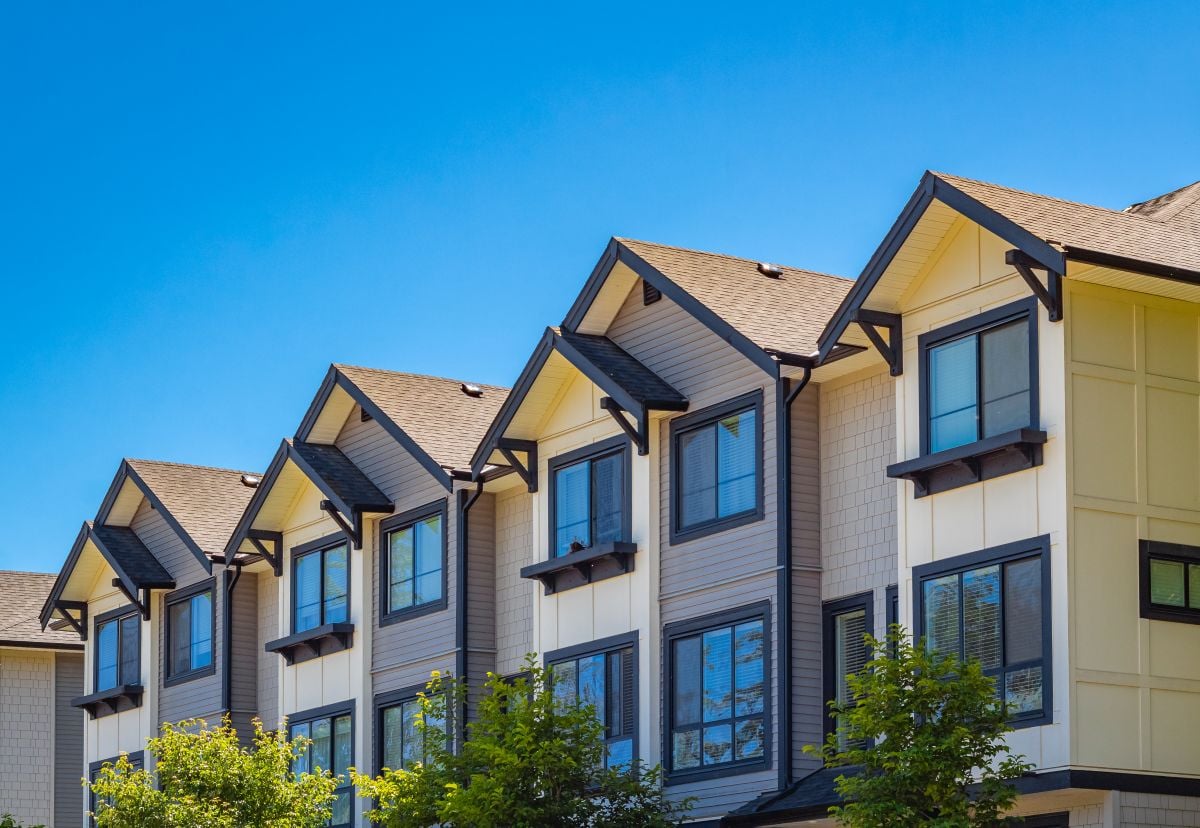
When you own an apartment building or oversee one as a property manager, the roof is the one system that protects every tenant, every unit, and every dollar invested in the property. Choosing the right multi family roofing approach means fewer leaks, lower energy bills, and far less disruption for the people who live there. Whether you are planning a full roof replacement or a smarter maintenance plan, understanding your options is the first step toward keeping every resident dry and comfortable year after year.
Here is what this guide covers:
- Why apartment roofs demand a different strategy than single-family homes
- The key factors that shape material choice, cost, and lifespan
- How to plan a project with minimal tenant disruption
- A side-by-side comparison of popular roofing materials
- Answers to the questions property owners ask most often
Why the Right Roof Protects Your Entire Investment
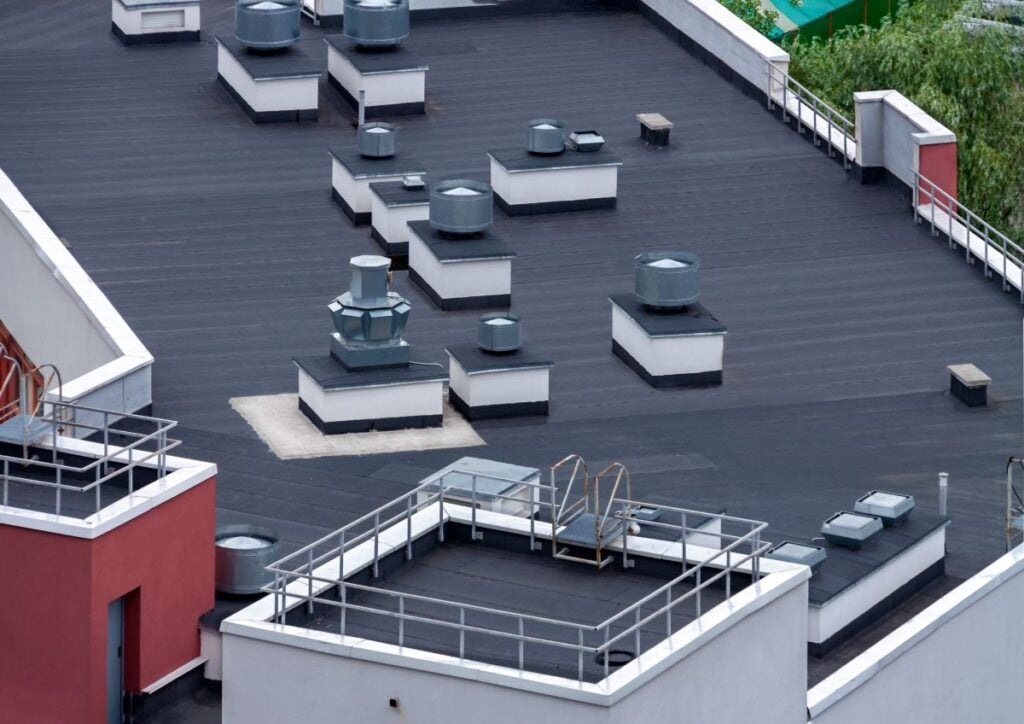
A roof on an apartment building does far more work than the roof on a typical house. Multi-family properties feature larger surface areas and more complex roof lines than single-family homes, and they often support heavy rooftop equipment while sheltering multiple households. When something goes wrong, the problem rarely stays in one unit, and repair costs multiply quickly as water travels through walls, ceilings, and shared hallways.
Investing in a well-designed system pays off in several practical ways:
- Tenant satisfaction: Residents who never notice water spots on their ceilings are far more likely to renew their leases and recommend the building to others.
- Lower operational costs: Reflective coatings and proper insulation reduce heating and cooling demand across every unit, which adds up quickly on a large building.
- Stronger property value: A documented, well-maintained roof boosts curb appeal and is a major selling point during refinancing, appraisal, or a future sale.
- Reduced liability: Preventing leaks helps you avoid mold complaints, damaged tenant belongings, and the legal headaches that can follow.
Budgeting also matters, since many apartment buildings rely on low-slope designs, and understanding typical flat roof replacement costs helps you plan reserves years in advance. For property owners in Eau Claire and surrounding areas, long winters and heavy snow loads make that planning even more important. A roof chosen with local weather conditions in mind will protect your investment for decades rather than years.
6 Key Factors That Shape Multi Family Roofing Decisions
No two apartment buildings are exactly alike, so the best solution depends on design, budget, and long-term goals. The six factors below most often determine which system makes sense and how well it will perform over time.
1. Roof Design and Slope
The shape of your roof is the starting point for every other decision. Most larger apartment complexes use flat or low-slope roofs, while townhomes, HOA communities, and garden-style complexes often feature pitched roofs.
- Low-slope roofs typically use TPO or EPDM membranes or modified bitumen
- Steep-slope roofs usually rely on asphalt shingles, metal roofing, or tile
- Tile and slate are heavy, so the structure must be strong enough to support them
2. Drainage Performance
Standing water is one of the biggest threats to any low-slope roof. Drainage and waterproofing on multi unit properties are more intricate because varied roof lines create valleys and transitions where water collects during heavy rain.
- Tapered insulation can add slope where the structure itself is nearly flat
- Drains and scuppers should be cleared of debris at least twice a year
- Ponding that lasts more than 48 hours after rain is a warning sign
3. Climate and Weather Resistance
Your local weather should heavily influence material selection. In the upper Midwest, roofs must handle freeze-thaw cycles, ice dams, heavy snow, hail, strong winds, and hot summers, all within the same year. Materials with proven weather resistance reduce storm damage and the costly repairs that follow.
4. Rooftop Equipment and Foot Traffic
Flat and low-slope roofs on apartment buildings frequently house heavy HVAC equipment, exhaust fans, and solar panels. Every penetration is a potential leak point, and every service visit adds foot traffic that wears down the membrane.
- Walkway pads protect the surface along common service paths
- Curbs and flashings around equipment need regular inspection
- Thicker membranes hold up better on heavily trafficked roofs
5. Energy Efficiency Goals
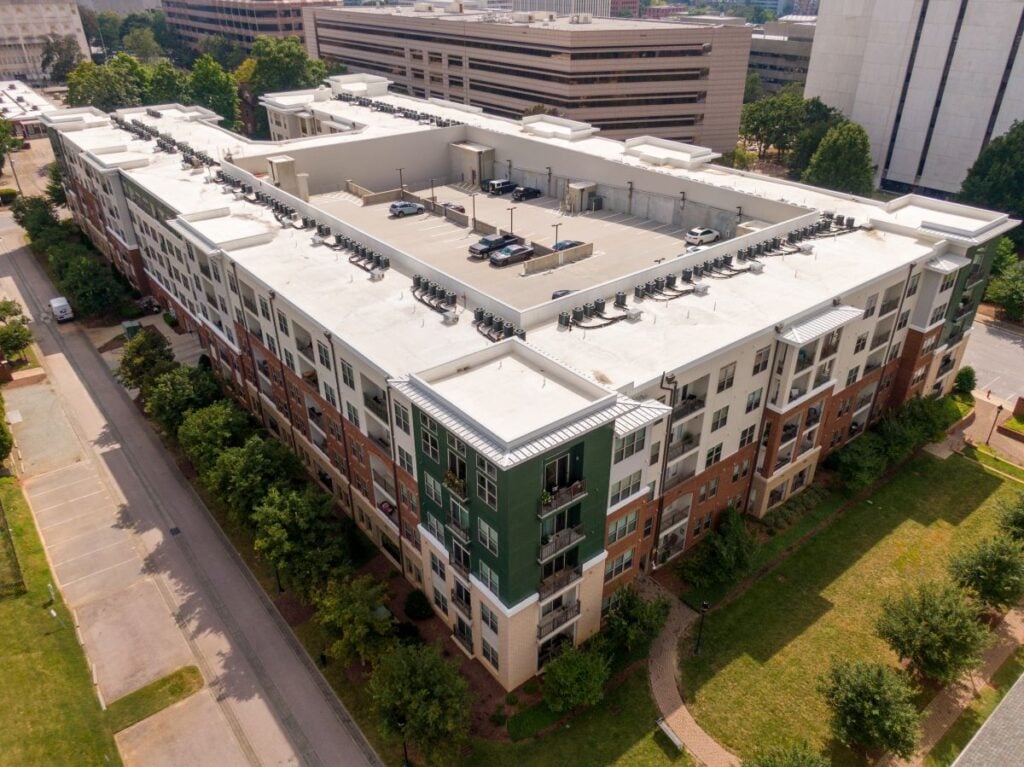
A roof directly affects how much it costs to heat and cool the building. White TPO systems have become a popular choice because they reflect sunlight and help lower cooling expenses, and adding insulation during a replacement can further reduce utility bills. Some membranes and metal panels also contain recycled materials, which supports sustainability goals.
6. Budget and Lifecycle Cost
The lowest upfront price is not always the most affordable choice. True cost effectiveness comes from comparing lifespan, maintenance needs, and warranty coverage alongside the installation quote.
- Asphalt shingles last 20 to 25 years, while metal roofs can last 40 years or more
- Tile roofs can exceed 50 years with proper care
- Planned capital reserves prevent emergency spending later
Looking at all six factors together gives you a much clearer picture than focusing on price alone. A trusted roofing partner can walk your roof, review these details with you, and recommend a system that fits both the building and your financial plan.
Planning a Roof Project Without Disrupting Tenants
Multi family projects involve more people and more moving parts than a typical home project. With careful planning, most work can be completed safely while residents go about their daily routines.
Align Stakeholders and Approvals
Decisions often involve landlords, property management companies, and HOA boards, so formal bids and approvals are common. A clear written scope keeps everyone aligned, and your contractor should confirm local building codes, since multi family properties often follow commercial-grade standards with stricter fire ratings and structural requirements.
Communicate Early and Often
Tenant coordination is crucial on occupied buildings. Give residents written notice before work begins, including start dates, working hours, and expected noise, then share regular updates as the project moves forward.
Protect Common Areas and Parking
Crews should set up clearly marked safety zones around entrances, walkways, and parking areas. Covering landscaping, relocating vehicles when needed, and using debris chutes keep the site clean and residents safe.
Schedule Work in Phases and Seasons
Large buildings can often be roofed in sections, so only one portion of the property is affected at a time. In Eau Claire and surrounding areas, late spring through early fall usually offers the best conditions for membrane installation.
Thoughtful planning turns a potentially stressful project into a smooth, predictable process. When tenants feel informed and respected, they are much more patient with temporary construction.
Comparing Common Roofing Systems for Apartment Buildings
Understanding the strengths of each system makes it easier to discuss options with roofing contractors and set realistic expectations. The table below compares roofing materials often used on multifamily properties throughout the Midwest.
| Roofing System | Best For | Typical Lifespan | Key Advantages | Considerations |
| TPO membrane | Large flat or low-slope roofs | 20 to 30 years | Reflective, heat-welded seams, cost-effective | Quality varies by manufacturer |
| EPDM rubber | Flat roofs in cold climates | 20 to 30 years | Flexible in freezing temperatures, proven track record | Dark versions absorb heat |
| PVC membrane | Roofs with grease or chemical exposure | 20 to 30 years | Excellent chemical and fire resistance | Higher upfront cost |
| Modified bitumen | Roofs with moderate foot traffic | 15 to 25 years | Durable multi-layer protection, easy to repair | Heavier and more labor-intensive |
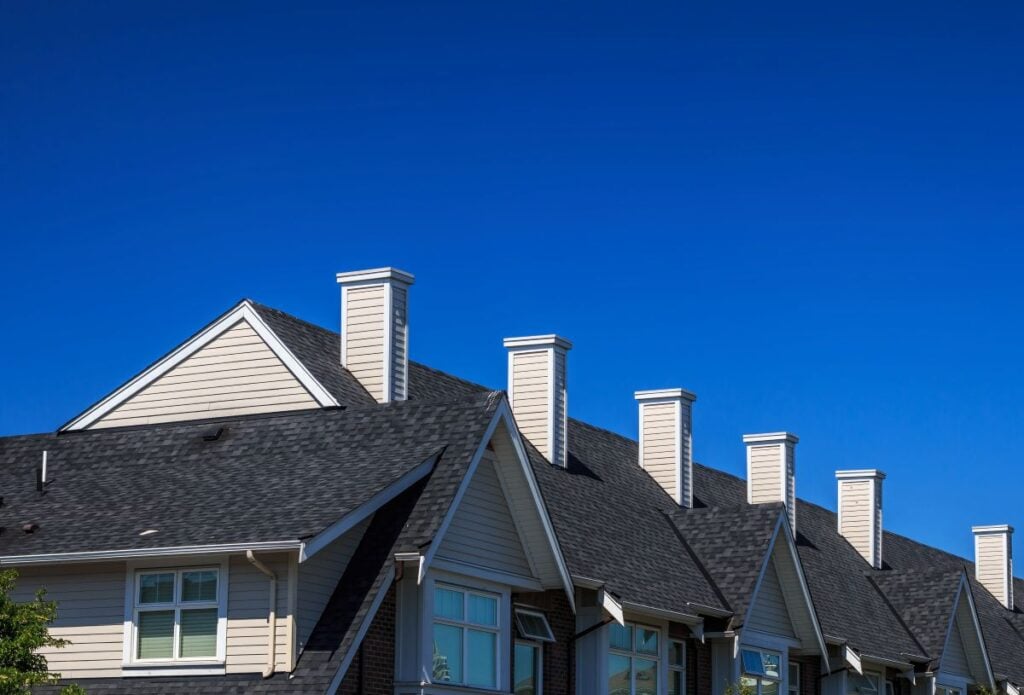
| Asphalt shingles | Pitched townhomes and small complexes | 20 to 25 years | Attractive, familiar, budget-friendly | Not suitable for flat roofs |
| Standing seam metal | Pitched roofs needing longevity | 40 years or more | Sheds snow well, very long life | Higher upfront investment |
| Clay or concrete tile | Pitched roofs seeking a classic look | 50 years or more | Exceptional durability | Very heavy, requires structural review |
Beyond the material itself, installation quality has an enormous effect on performance. Even the best membrane fails early if seams and flashings are not completed correctly, so ask roofing companies about past projects on similar buildings and confirm they hold appropriate licenses and insurance. Landlords should also look for robust warranties and liability coverage before signing an agreement.
Frequently Asked Questions About Multi Family Roofing
Property owners and managers often have similar questions when planning a roofing project. Here are straightforward answers to some of the most common ones.
How often should an apartment building roof be inspected?
Professional inspections at least twice a year, typically in spring and fall, help identify vulnerabilities before major failures. Routine maintenance between visits includes clearing debris from gutters and checking for missing shingles or damaged flashing after storms.
Can a new roof be installed over the existing one?
In some cases, yes. A roof recover can work if there is only one existing layer and the deck and insulation are dry and sound. A moisture scan helps determine whether a recover or a full tear-off is the better choice.
How long does a multifamily roofing project take?
Timelines depend on building size, weather, and the system being installed. A smaller complex may take a week or two, while a large building completed in phases could take several weeks.
Do tenants need to leave during the project?
No. Residents can almost always stay in their units during roofing work. Effective tenant communication, safe entrances, and controlled debris keep daily life running smoothly.
Will insurance cover roof damage on a rental property?
Commercial property policies often cover sudden damage from hail, wind, or fallen trees. Wear and tear from age is usually not covered, so ongoing maintenance records are important when filing insurance claims.
Every building has its own history and challenges, so these answers are a starting point rather than a final word. A professional assessment will give you recommendations tailored to your specific property.
Protect Your Building and Your Residents With the Right Roof
A strong, well-planned roof is one of the smartest investments an apartment owner can make. It keeps tenants comfortable, helps reduce operational costs, and preserves the long-term value of your property. Classic Construction & Consulting brings years of expertise in multi family roofing services, serving property managers, landlords, and HOA communities with clear communication and dependable workmanship. If you own or manage apartments in Eau Claire and surrounding areas, contact us today to schedule an inspection and plan your next project with confidence.


