

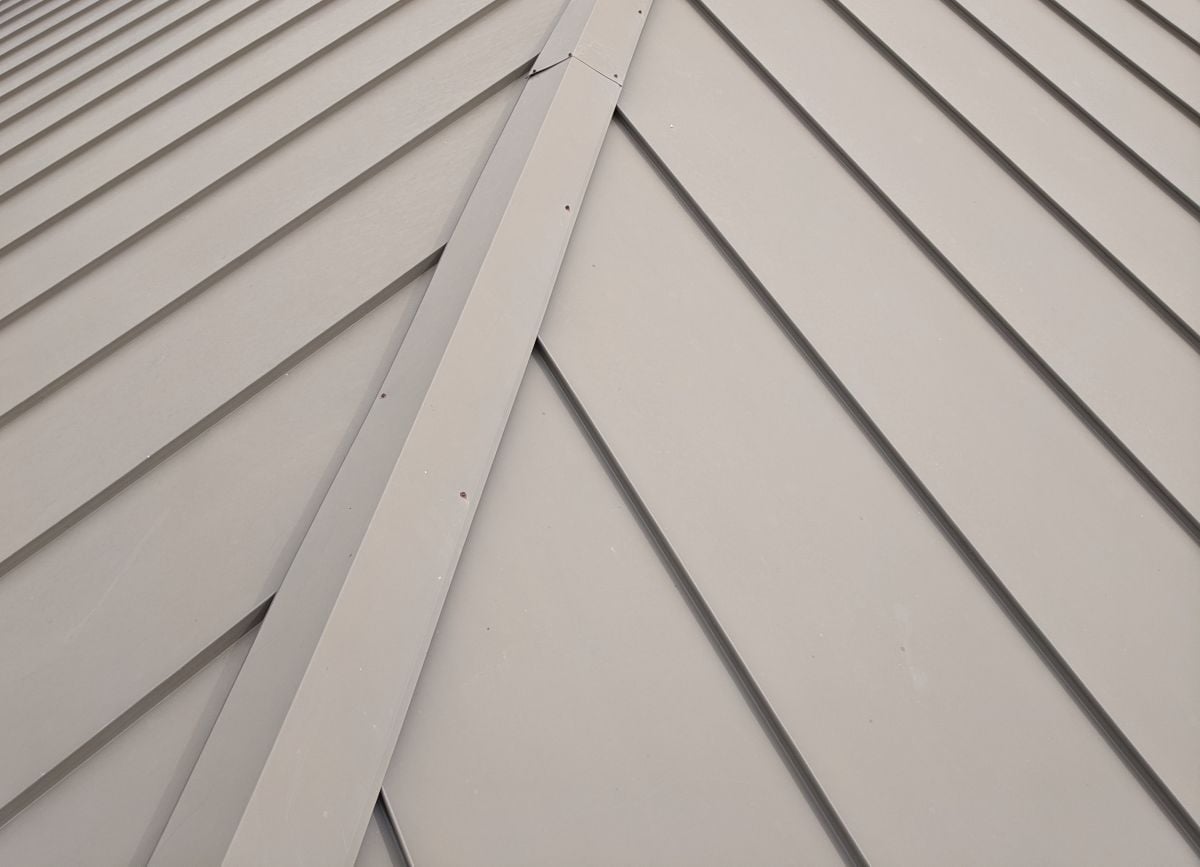
A new roof is one of the biggest investments you will make in your home, so it makes sense to ask how long it will actually protect you. How long do metal roofs last compared with shingles, and what can you do to get every possible year out of one? With minimal maintenance, a properly installed metal roof often lasts 40 to 70 years, decades longer than an average asphalt shingle roof. Understanding what affects that lifespan helps you plan wisely and keep your home protected for decades.
Quick overview of this guide:
- Why metal roof lifespan matters for your budget
- Eight maintenance tips that extend roof life
- How metal type and panel style affect longevity
- How metal compares with other roofing materials
- Answers to common homeowner questions
What a Long-Lasting Roof Means for Your Home and Budget
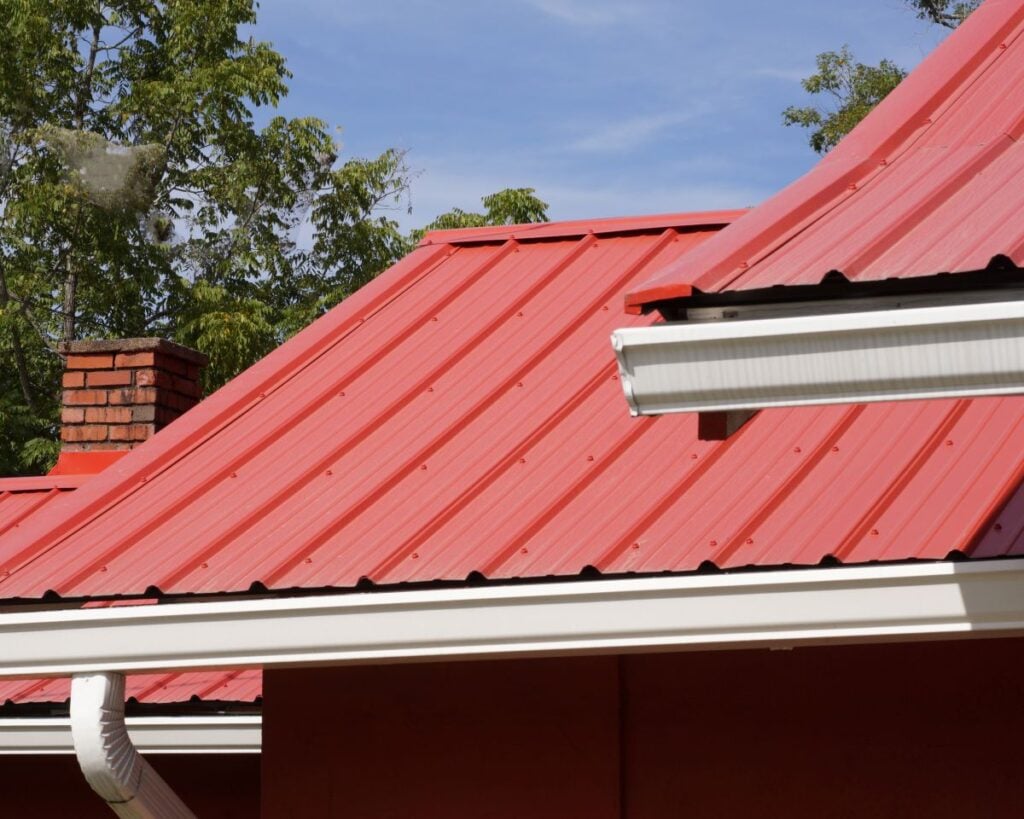
For most homeowners, the real value of a roof comes down to how many years of reliable protection it provides. Metal roof cost is typically higher upfront than traditional asphalt shingles, but its long service life can deliver real long term savings. Knowing what to expect helps you compare options honestly and decide whether metal fits your long-term plans.
A long-lasting metal roof offers several practical benefits:
- Fewer replacements: While shingle roofs often need roof replacement every 20 to 25 years, a well-maintained metal roof may last the entire time you own your home.
- Lower lifetime cost: Spreading the investment over 40 years or more often makes metal more cost-effective than replacing a cheaper roof two or three times.
- Strong weather protection: Metal sheds snow easily, resists high winds, and is highly resistant to heavy rain and storm damage common in the Midwest.
- Energy savings: Reflective finishes help reduce heat absorption in summer, which improves energy efficiency, and metal pairs well with solar panels while being fully recyclable for a lower environmental impact.
Many homeowners start by reading about the long-term benefits of metal roofing before requesting estimates. Those benefits only hold up, however, when installation quality is high and the roof system is cared for over time. For homeowners in Eau Claire and surrounding areas, long winters, ice dams, and freeze-thaw cycles make quality installation and regular maintenance especially important.
8 Maintenance Tips to Help Your Metal Roof Last Longer
Metal roofs require far less upkeep than many other roofing materials, but low maintenance does not mean no maintenance. These eight tips help protect your investment and keep your roof performing at its best for decades.
1. Schedule Regular Professional Inspections
A professional inspection once a year, and after major storms, helps catch small issues before water leaking into the attic becomes a problem. Inspectors look for loose fasteners, damaged flashing, and early signs of corrosion that are hard to spot from the ground.
2. Keep Gutters and Valleys Clear
Leaves, pine needles, and debris can trap moisture against metal panels and block water flow. Clearing gutters and roof valleys at least twice a year keeps water moving off the roof as designed.
- Clean gutters in spring and fall
- Remove debris from valleys and behind chimneys
- Make sure downspouts drain away from the foundation
3. Trim Overhanging Branches
Branches that rub against the roof can scratch protective coatings, while falling limbs can dent panels. Keeping trees trimmed back also reduces the amount of debris that lands on your roof.
4. Check and Replace Fasteners
On screw down roofs, rubber washers under the screws break down over time from sun exposure and thermal movement. Replacing worn screws and washers every 10 to 15 years or as needed helps prevent leaks.
- Look for backed-out or loose screws
- Watch for cracked or brittle washers
- Replace fasteners with matching, corrosion-resistant hardware
5. Inspect Flashing and Sealants
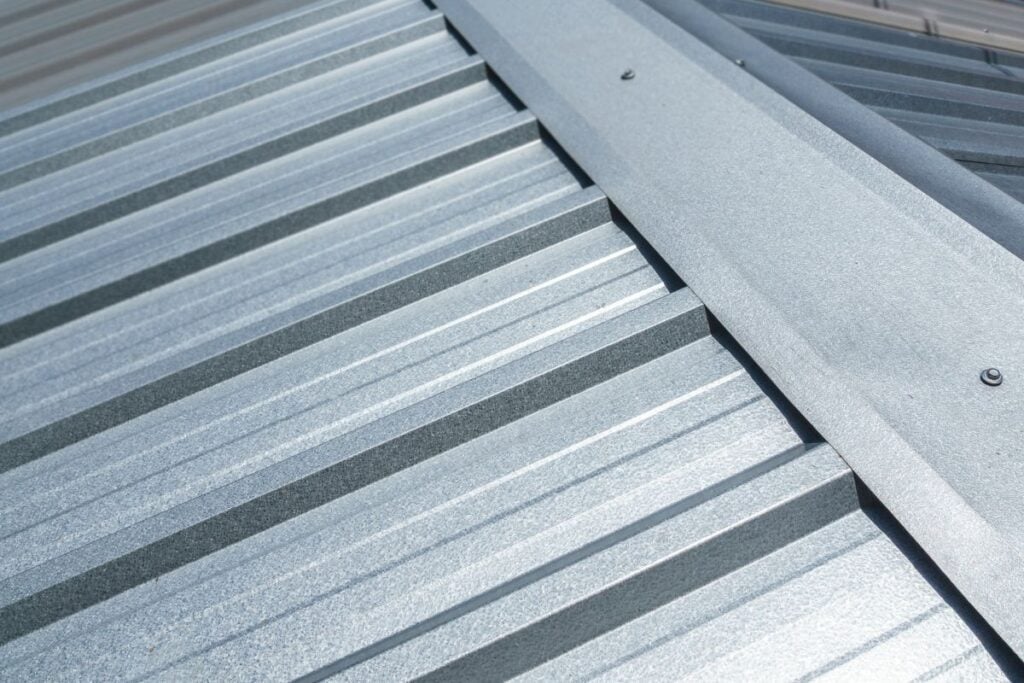
Flashing around chimneys, skylights, vents, and roof edges is a common source of leaks on any roof. Sealants can dry out and crack over time, so check these areas regularly and reseal them when needed.
6. Remove Heavy Snow and Ice Safely
Metal roofs shed snow well, but heavy buildup and ice dams can still stress the roof and gutters. Snow guards help control sliding snow, and a roof rake can remove buildup from the ground without damaging the panels.
- Never chip ice with sharp tools
- Install snow guards above entrances and walkways
- Improve attic insulation and ventilation to reduce ice dams
7. Clean the Surface Gently
Dirt, mildew, and pollen can dull the finish and hold moisture against the metal. A gentle wash with mild soap and a soft brush or low-pressure rinse keeps the surface clean without damaging the coating.
8. Address Scratches and Corrosion Promptly
Small scratches in the protective coating can expose bare metal to moisture and lead to rust. Touch-up paint from the manufacturer and quick repairs keep minor surface damage from spreading.
Following these routine maintenance tips takes relatively little time, yet it can add years or even decades to your roof’s life. Pairing routine homeowner care with professional inspections is the most reliable way to protect your investment.
How Metal Type and Panel Style Affect Lifespan
Not all metal roofs are built the same, and the metal roofing materials and panel system you choose play a major role in metal roof longevity. Understanding these differences helps you set realistic expectations and choose the best option for your home.
Here are the most common options and their typical lifespans:
- Galvalume and galvanized steel: Steel coated with zinc or an aluminum-zinc alloy is the most common residential choice and typically lasts 40 to 60 years with quality finishes.
- Aluminum roofing: Lightweight and highly corrosion resistant, aluminum often lasts 40 to 60 years and performs well in salt air and coastal environments.
- Copper: Copper is a premium material that can last 70 years or more, developing a natural patina over time.
- Zinc: Zinc roofs can last 60 to 100 years and has the ability to self-heal minor scratches as its protective layer reforms.
- Stone coated steel roofing: Steel panels with a stone granule finish mimic shingles or tile, provide an added layer of impact protection, and often last 40 to 70 years.
- Standing seam systems: Concealed fasteners and interlocking seams allow for thermal movement, which is why standing seam lasts longer than most alternatives at 40 to 70 years.
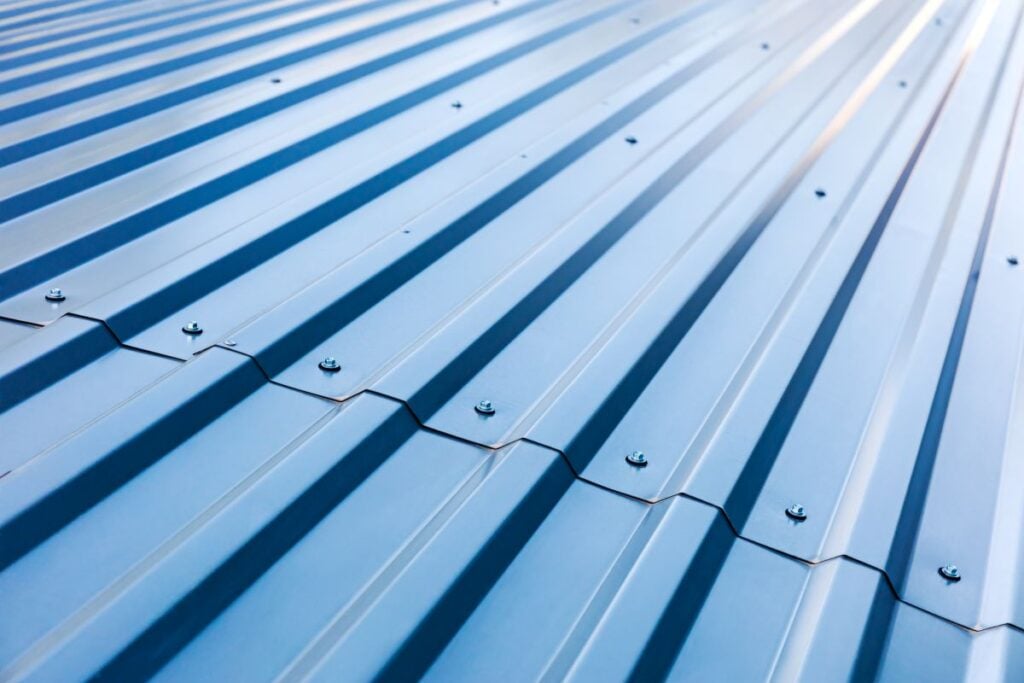
- Screw down systems: These budget-friendly exposed fastener panels typically last 20 to 40 years, but fasteners and washers need periodic replacement.
Paint and coating quality also matter, as does choosing the right material for your roof design. High-performance finishes resist fading, chalking, and corrosion, which helps the roof look good and perform well for much longer.
Metal Roofing Compared With Other Residential Materials
Comparing lifespans side by side makes it easier to see where metal stands. The table below shows the expected lifespan of common residential roofing materials when they are installed and maintained properly.
| Roofing Material | Typical Lifespan | Maintenance Level | Key Strengths |
| Standing seam metal | 40 to 70 years | Low | Longevity, snow shedding, wind resistance |
| Exposed fastener metal | 20 to 40 years | Moderate | Lower cost, durable panels |
| Architectural asphalt shingles | 20 to 25 years | Moderate | Affordable, wide style selection |
| Three-tab asphalt shingles | 15 to 20 years | Moderate | Lowest upfront cost |
| Wood shakes | 20 to 30 years | High | Natural, rustic appearance |
| Clay or concrete tile | 50 years or more | Low to moderate | Very durable, classic look |
Factors That Can Shorten a Metal Roof’s Life
Even the best metal roof can wear out early under the wrong conditions. Watch for these common issues:
- Poor installation or incorrect fastening
- Severe hail that dents thinner panels
- Inadequate attic ventilation that traps moisture
- Mixing incompatible metals that cause galvanic corrosion
- Standing water from clogged gutters or low spots
- Neglected scratches, loose fasteners, or damaged flashing
The good news is that most of these problems can be prevented with experienced installation and regular care. For homeowners in Eau Claire and surrounding areas, choosing a professional roofing contractor is one of the most important decisions for long-term performance.
Frequently Asked Questions About How Long Metal Roofs Last
Homeowners often have similar questions when considering a metal roof. Here are straightforward answers to some of the most common ones.
Do metal roofs really last 50 years?
Many do. The average lifespan of a metal roof depends on weather conditions and materials, but standing seam metal roofs with quality coatings commonly last 40 to 70 years when installed correctly and maintained well.
Can a metal roof be installed over shingles?
In some cases, yes, if local codes allow it and the existing roof deck is sound. A professional inspection will confirm whether a tear-off is the better option.
Will hail damage a metal roof?
Severe hail can dent some metal panels, but dents are often cosmetic and do not always cause leaks. Thicker panels and impact-rated products offer extra protection.
Do metal roofs attract lightning?
No. Metal roofs do not attract lightning more than other materials, and because metal is noncombustible, it offers exceptional durability if a lightning strike does occur.
Are metal roofs noisy during rain?
With proper decking, underlayment, and attic insulation, most metal roofs are no louder than other roofing materials during rainstorms.
How often should a metal roof be inspected?
Plan on a professional inspection about once a year and after major storms. In Eau Claire and surrounding areas, a fall inspection before winter is especially helpful.
Every home is different, so these answers are a starting point rather than a final recommendation. A professional roof assessment will give you guidance tailored to your home.
Protect Your Home With a Roof Built to Last
A metal roof can protect your home for decades, but its lifespan depends on quality materials, expert installation, and simple ongoing care. Knowing what to expect helps you make a confident decision and get the most from your investment. Classic Construction & Consulting helps homeowners compare roofing options, choose the right metal system, and keep it performing well for years to come. If you are considering a metal roof or need maintenance on an existing one, contact us today to schedule an inspection and talk through your options.


