

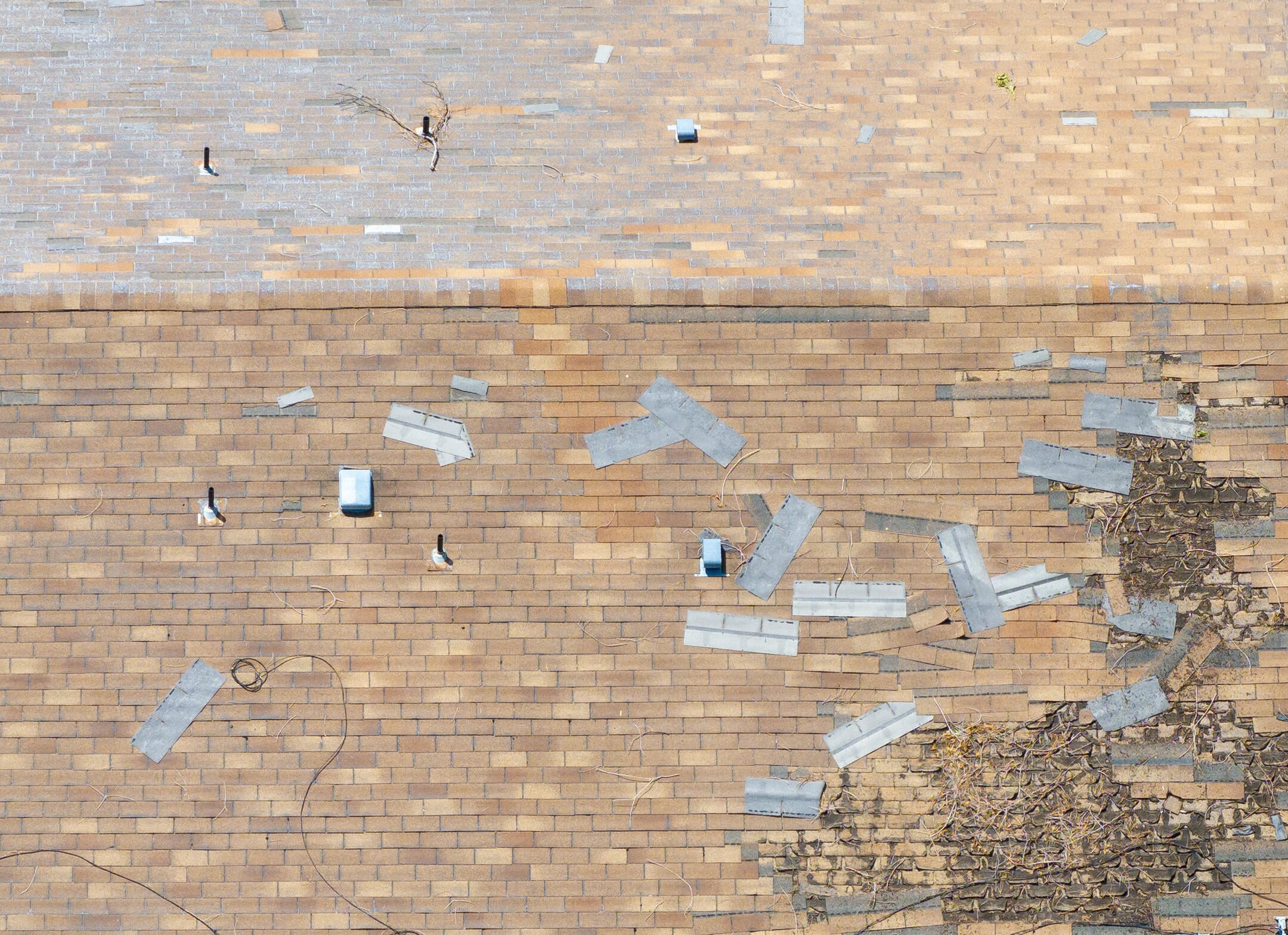
Severe winds don’t always leave a dramatic mess behind, but they can quietly loosen shingles, bend flashing, and break the seals that keep water out of your home. Knowing the basics of wind damage roof repair helps you catch problems early, avoid bigger bills, and protect the value of your home. Small issues left alone after one storm often become serious leaks after the next. If you’re already focused on putting your home back together after a severe storm, this guide will help you understand what to look for and what comes next.
Here’s what this guide covers:
- How to spot the most common signs of wind damage
- What a professional repair actually involves
- When to repair and when to replace
- What to know before filing an insurance claim
Why Fast Action After a Windstorm Protects Your Home
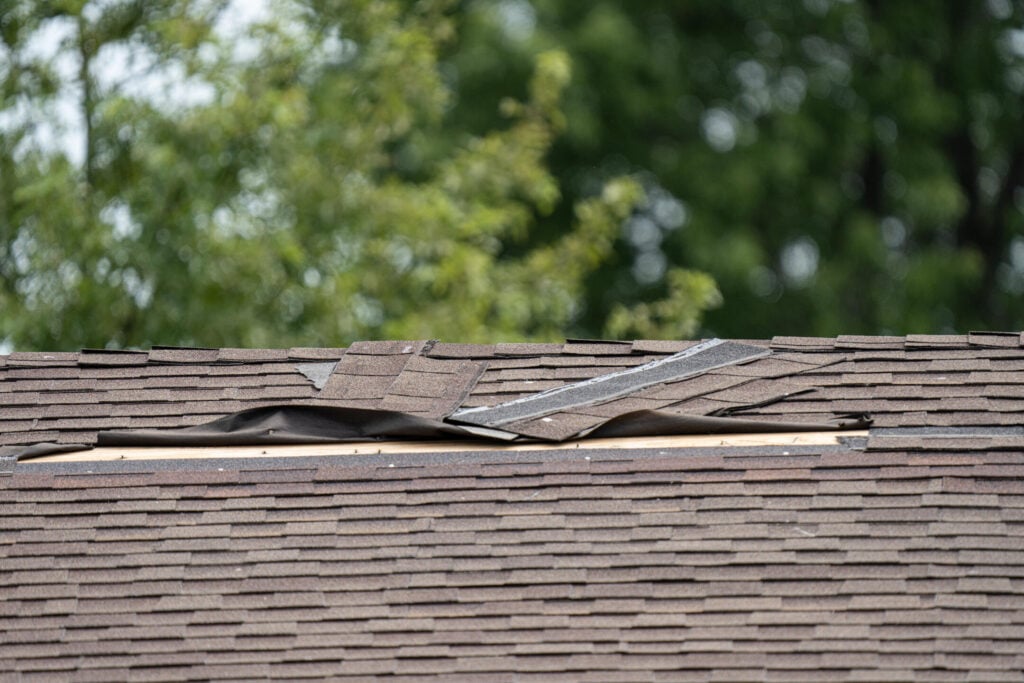
Wind damage is easy to underestimate because so much of it happens out of sight. A shingle can lift, crease, and settle back down looking almost normal, even though its seal is broken and it’s ready to blow off in the next storm. For homeowners in Rochester and surrounding areas, where severe storm activity is a regular part of spring and summer, staying on top of repairing storm-damaged roofs is one of the smartest ways to protect your investment.
Acting quickly after a windstorm offers several clear benefits:
- Stops leaks before they spread: Loose shingles and lifted flashing open the door to water infiltration that reaches the roof deck, insulation, and ceilings.
- Keeps repair costs manageable: Handling minor wind damage repairs right away costs far less than rotted decking, water-stained drywall, or a full roof replacement later.
- Protects your insurance claim: Many insurance providers expect homeowners to report storm damage promptly and take reasonable steps to prevent further damage.
- Extends the life of your roof: Addressing weak spots early helps the rest of the roof system keep doing its job for years to come.
The longer wind damage sits, the more opportunities water has to find its way inside. Prompt roof inspections after a major storm are a small step that can prevent a much larger problem.
6 Signs Your Roof Needs Wind Damage Repair
Not all wind damage leaves obvious signs you can see from the driveway, and some of the most important clues show up inside your home. Knowing what to look for helps you decide when it’s time to call in a professional for a closer look.
Before you start looking around, prioritize safety. Keep a safe distance from downed power lines and report them to your utility company, and stay clear of unstable tree limbs hanging over the roof or yard.
1. Missing Shingles
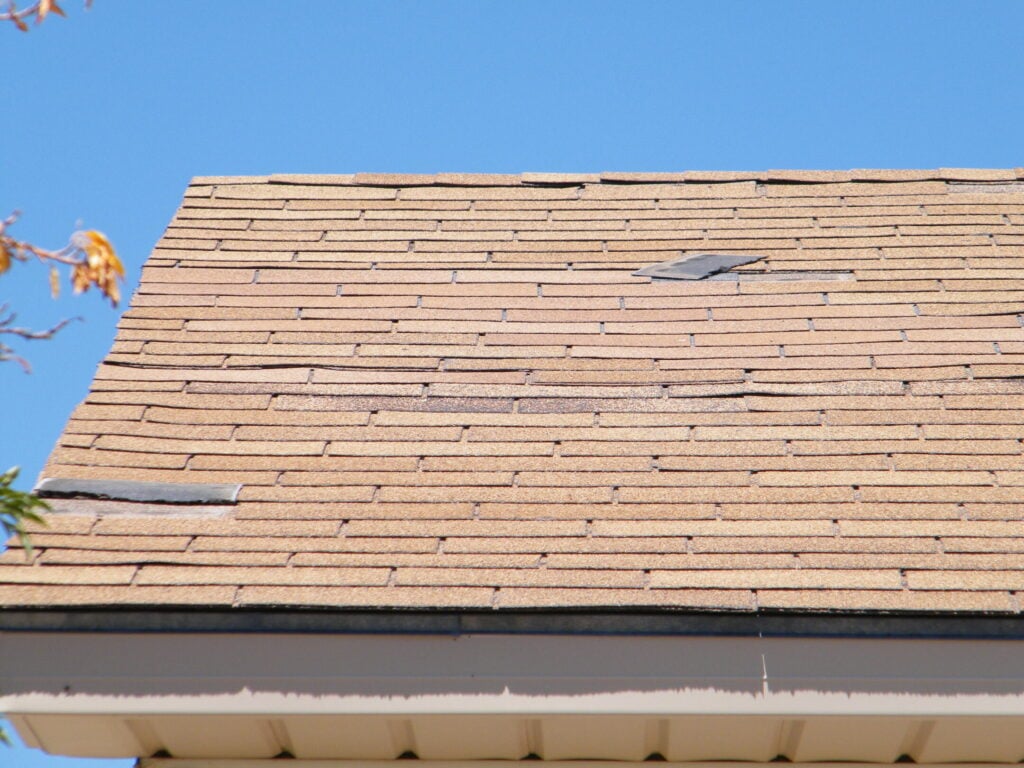
Blown off shingles are the most visible sign of wind damage and the easiest to spot. If you find shingles in your yard, on the driveway, or caught in your gutters after a storm, there’s a gap somewhere on your roof that leaves the underlayment exposed.
- Check the yard and gutters after every major storm
- Look for bare or discolored patches on the roof surface
- Pay close attention to ridges, edges, and corners
2. Lifted, Creased, or Curled Shingles
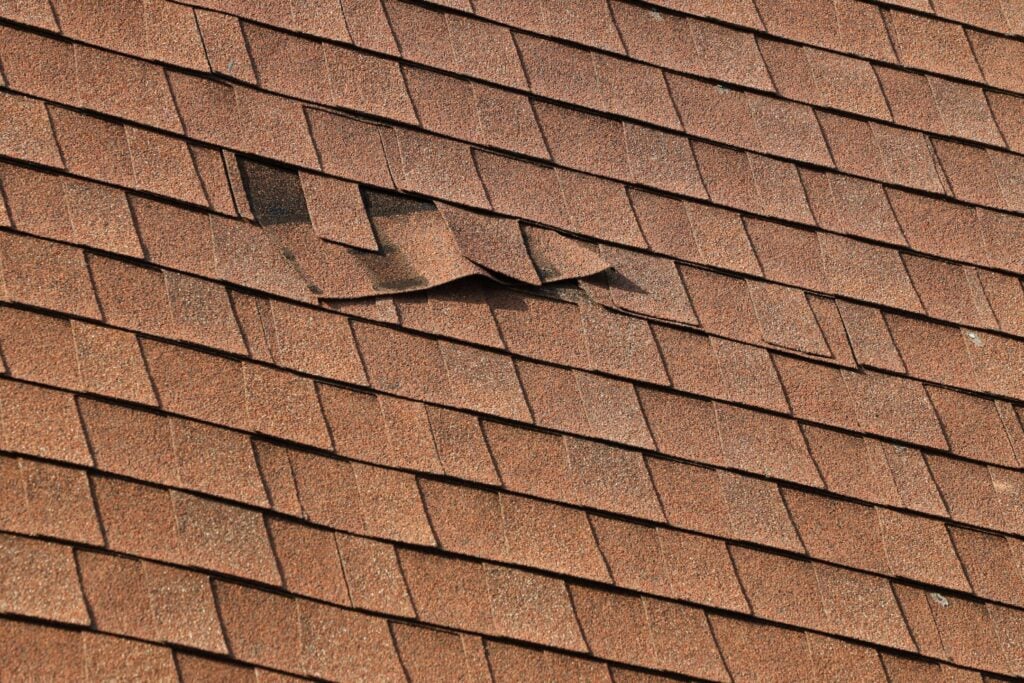
Wind can get under a shingle and lift it without tearing it off completely. When the shingle bends back, it often leaves a horizontal crease or a broken seal strip, which means it no longer lies flat or sheds water the way it should.
3. Damaged or Loose Flashing
Metal flashing seals the joints around chimneys, vents, skylights, and roof valleys. High winds can loosen flashing, bend it, or break the sealant that holds it in place, creating an easy entry point for water.
4. Granule Loss and Surface Wear
Strong gusts can scrub granules off shingles, especially when they carry sand, dirt, or small debris. You might notice granules collecting in your gutters or at the bottom of downspouts. Without that protective layer, shingles age faster and become more vulnerable to sun and moisture.
5. Debris Damage From Branches and Flying Objects
Wind often turns tree limbs, patio furniture, and other loose items into projectiles. Even a small branch can puncture shingles or crack the decking underneath, while larger limbs can cause structural damage that needs immediate attention.
- Look for punctures, dents, or scrapes on the roof surface
- Check for sagging areas that may point to deck damage
- Inspect gutters and fascia boards where debris often lands
- Check for damaged siding and other damage around the home
6. Leaks, Stains, and Other Interior Warning Signs
Sometimes the first sign of wind damage appears inside. Water spots on ceilings, peeling paint, damp spots in attic insulation, or daylight showing through roof boards all point to water intrusion. Trapped moisture can also lead to mold and wood rot if it isn’t addressed quickly.
If you notice any of these signs, avoid climbing onto the roof yourself, especially when it may be wet or unstable. A trusted roofing contractor can confirm the full extent of the damage safely and help you plan the right next step.
What Professional Wind Damage Repair Involves
Many homeowners aren’t sure what happens once a roofing contractor arrives after a storm. Understanding the repair process helps you know what to expect and makes it easier to judge whether a contractor is doing thorough work.
- Detailed inspection: A qualified roofer checks shingles, flashing, vents, gutters, and the attic to find both visible and hidden damage.
- Emergency tarping and temporary repairs: If the roof is open to the weather, the crew may cover exposed areas for temporary protection until permanent repair work begins.
- Damage documentation: Photos from multiple angles, including wide shots of the affected area, create a clear record of the damage, which is especially helpful if you plan to file an insurance claim.
- Shingle replacement and resealing: Damaged asphalt shingles are removed and replaced, and lifted shingles that are still in good shape may be resealed when appropriate.
- Flashing and seal repairs: Bent or loose flashing is reset or replaced, and gaps around chimneys, vents, and skylights are sealed again.
- Deck and underlayment checks: If water has reached the roof deck, soft or rotted sections need to be replaced before new shingles go on.
- Final walkthrough: A good contractor reviews the finished work with you and explains anything that may need attention in the future.
Matching new shingles to your existing roof is another detail worth discussing. Older roofing materials can fade over time, so a skilled roofer will look for the closest available match to keep your roof looking consistent.
Repair or Replace? Making the Right Call After Wind Damage
Not every windstorm calls for a complete roof replacement, but sometimes repairs only delay the inevitable. The right choice depends on the age of your roof, how widespread the damage is, and how well the rest of the system is holding up.
| Factor | Repair Usually Makes Sense | Replacement May Be Better |
| Roof age | Relatively new roof with plenty of life left | Roof near the end of its expected lifespan |
| Extent of damage | Limited to a small area or a few shingles | Spread across multiple slopes or sections |
| Roof deck condition | Solid, dry decking | Soft, rotted, or water-damaged decking |
| Repair history | Few past repairs | Frequent patching after storms |
| Shingle matching | Matching shingles are available | New shingles won’t blend with the old roof |
How Insurance Fits Into the Decision
Most standard homeowners insurance policies cover sudden wind damage, but coverage details vary from one policy to the next. Since a severe storm often brings hail damage along with wind, your inspection should check for both. Some policies pay based on the roof’s depreciated value rather than full replacement cost, and many use separate wind and hail deductibles. Reviewing your policy before you need it helps you avoid surprises.
Tips for a Smoother Claim
- Take photos of the damage as soon as it’s safe to do so
- Keep receipts for temporary fixes, such as emergency tarping
- Schedule a professional inspection before meeting with an adjuster
- Report the damage to your insurance provider promptly
Homeowners in Rochester and surrounding areas often find that having a roofer present during the adjuster’s visit makes the claims process easier and helps point out damage that might otherwise be missed. Clear documentation and a professional opinion can make all the difference in how smoothly things go.
Frequently Asked Questions About Wind Damage Roof Repair
Wind damage raises plenty of questions, especially if it’s your first time dealing with storm repairs. Here are straightforward answers to the most common questions.
How do I know if my roof has wind damage?
Look for missing or lifted shingles, debris on the roof, granules in your gutters, and water stains on interior ceilings. Because some damage is hard to see from the ground, a professional inspection is the best way to get a clear answer.
Can I repair wind damage myself?
Small tasks like clearing debris from the yard are fine, but climbing onto a damaged roof can be dangerous, so leave roof work to repair services with the right safety equipment. Professional repairs also help protect your warranty and give you documentation for insurance purposes.
Does homeowners insurance cover wind damage to my roof?
Most standard policies cover sudden wind damage, but deductibles, exclusions, and payout methods vary. Damage caused by poor maintenance or normal aging is typically not covered.
How soon should I schedule repairs after a storm?
As soon as possible. Even a few days of exposure can let water into the roof deck and attic and lead to further issues, especially if more rain is on the way.
Can new shingles match my existing roof?
In many cases, a roofer can find a close match. If your shingles are older or discontinued, an exact match may not be possible, which is something to discuss before repairs begin.
If your question isn’t answered here, a local roofing professional can take a look at your specific situation. Every roof and every storm is different, so personalized advice goes a long way.
Get Your Roof Back in Shape After the Storm
Wind damage can start small, but it rarely stays that way. Catching loose shingles, bent flashing, and hidden leaks early keeps repair costs down and protects everything under your roof. Whether your wind damage requires a few new shingles or a full roof replacement, Classic Construction provides storm restoration and repair services for homeowners in Rochester and surrounding areas, with honest guidance from start to finish. If your roof took a hit in the last storm, contact us today to schedule an inspection and get your home protected again.


