

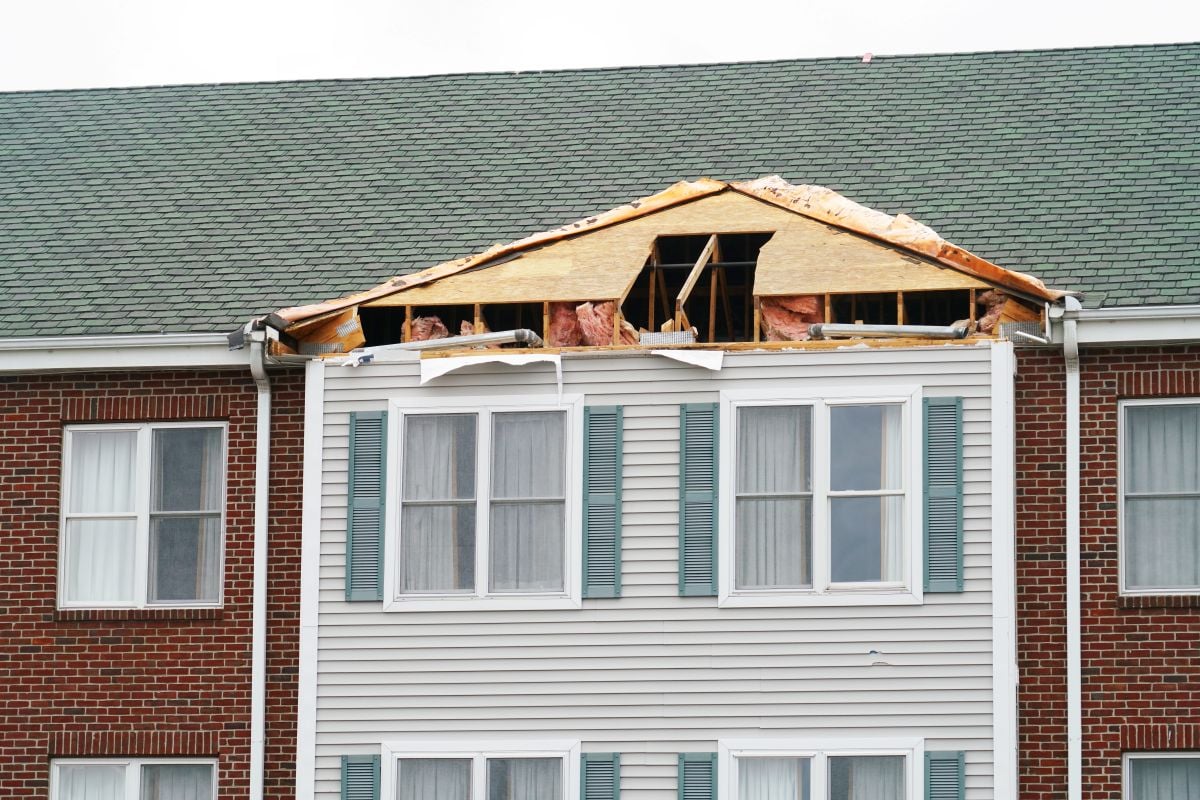
A small roof leak in a single-family home is an inconvenience, but on an apartment complex it can affect several units, dozens of residents, and thousands of dollars in interior finishes. Rapid response and professional multi family roof repair stops water before it spreads, protects tenant satisfaction, and extends the life of your existing roof. Knowing what causes damage and how to respond quickly helps property owners and managers avoid emergency costs and keep every unit safe, dry, and comfortable through every season.
A quick look at what’s ahead:
- The hidden cost of delaying repairs
- Eight common causes of roof damage on apartment buildings
- What happens during a professional repair visit
- How to tell an emergency from a planned repair
- Answers to frequent owner and manager questions
The Real Cost of Putting Off Roof Repairs
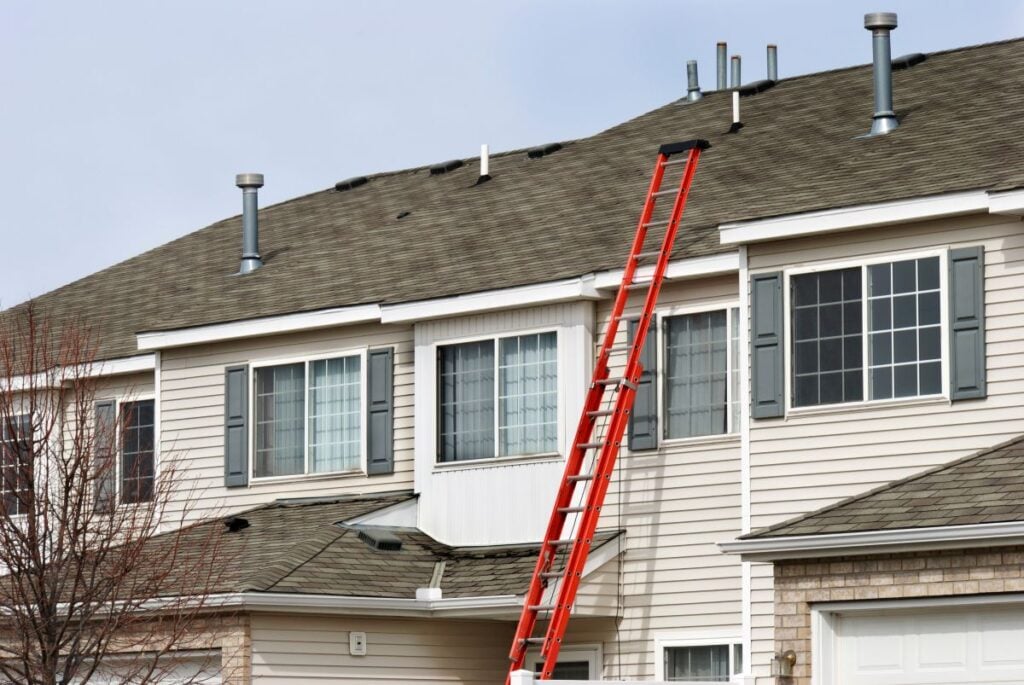
On multifamily properties, roof problems rarely stay small for long. Moisture intrusion through a failed seam or loose flashing can travel along the deck, soak insulation, and create hidden damage that appears as ceiling stains several units away from the original source. By the time residents report visible damage, the damage underneath is often much larger than it looks.
Addressing repairs promptly offers clear benefits:
- Controlled costs: A targeted repair today usually costs a fraction of the interior restoration, mold remediation, and insulation replacement that follow a long-term leak, and ignoring issues can even lead to tenant relocation costs.
- Longer roof lifespan: Fixing minor issues early keeps the rest of the roofing system performing as designed, which can delay a full replacement by years.
- Resident safety and retention: Quick repairs prevent slip hazards and ceiling damage, and residents who see problems handled promptly are more likely to renew their leases.
- Insurance and warranty protection: Documented, timely repairs and a clear repair history help support claims with your insurance company, while regular maintenance supports warranty documentation and compliance.
Because many apartment complexes have flat or low-slope roofs, it pays to work with a team experienced in specialized flat roof repair rather than a general handyman, since commercial buildings require different skills than typical residential roofing. Property owners in Minneapolis and surrounding areas face heavy snow, ice dams, and summer storms, so a proactive repair strategy is one of the smartest ways to protect a long-term investment.
8 Common Causes of Roof Damage on Apartment Complexes
Understanding where damage comes from makes it easier to spot problems early and prioritize repairs. These eight issues are the ones roofing crews see most often on multifamily buildings, townhome communities, and HOA communities, many of which combine steep and low-slope roof sections.
1. Failed Seams and Membrane Splits
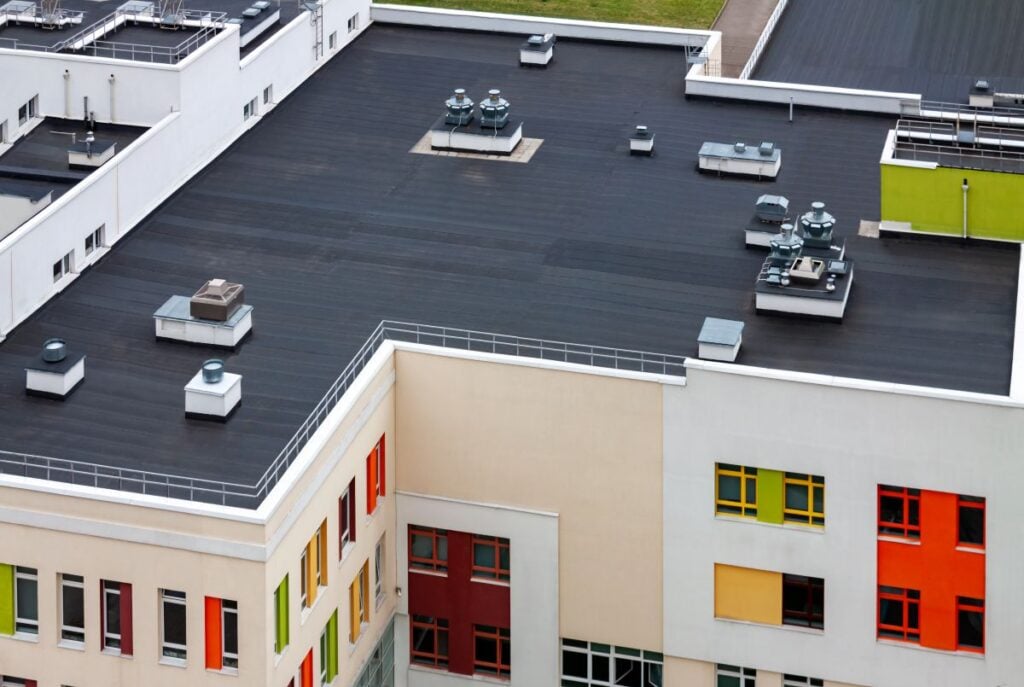
Low-slope roofs often use TPO, PVC, or EPDM membranes, which rely on tightly sealed seams. Over time, weather exposure, temperature swings, UV rays, and building movement can cause seams to separate or the membrane to split, creating direct paths for water.
2. Damaged or Deteriorated Flashing
Flashing seals the transitions where the roof meets walls, parapets, chimneys, and skylights. When it loosens, rusts, or pulls away, water can slip behind it and into the building. Deteriorated seals and metal flashing failures are among the most common causes of water leaks.
- Check flashing after major storms
- Watch for gaps along parapet walls
- Look for dried or cracked sealant
3. Ponding Water
Low-slope roofs are designed to drain, but clogged drains, sagging decks, or compressed insulation can leave water sitting on the surface. Ponding that remains more than 48 hours after rain accelerates membrane wear and adds structural stress.
4. Rooftop Equipment Penetrations
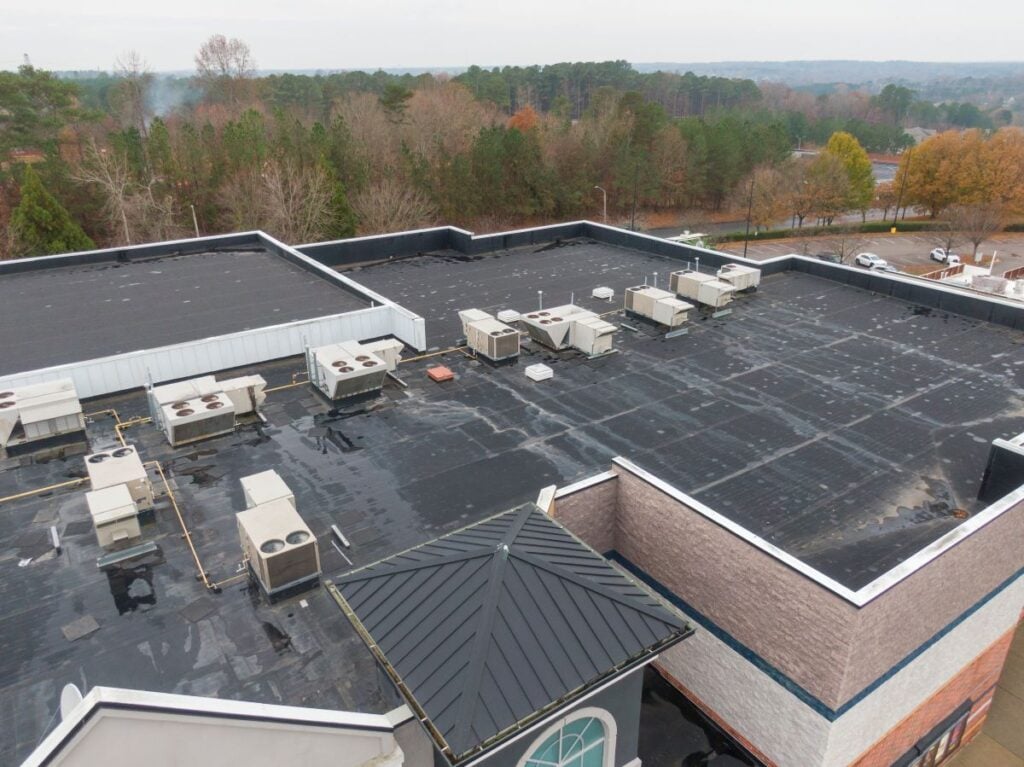
HVAC units, exhaust fans, vents, and satellite mounts all require openings in the roof. Each penetration is a potential weak spot, especially if curbs and pipe boots were not sealed properly or have aged.
- Inspect curbs around HVAC units
- Replace cracked pipe boots
- Confirm sealant is intact around mounts
5. Foot Traffic Wear
Technicians, contractors, and maintenance staff regularly walk across apartment roofs. Repeated traffic can puncture membranes, crush insulation, and loosen fasteners, particularly along the most common service routes. Designated walkways and fall protection systems keep crews safe while limiting wear.
6. Storm and Hail Damage
Hail can bruise shingles and puncture membranes, heavy rain can dislodge shingles and damage flashing, and high winds can lift roofing material and cause leaks. Storm damage is not always visible from the ground, so a professional inspection after severe weather is important.
7. Ice Dams and Freeze-Thaw Cycles
On pitched buildings, poor attic ventilation lets heat melt snow that refreezes at the eaves, forming ice dams and accelerating material decay. On low-slope roofs, water that seeps into small cracks expands when it freezes, widening openings with each cycle.
- Improve attic insulation and ventilation
- Keep gutters and downspouts clear
- Remove heavy snow buildup safely
8. Normal Aging and Material Breakdown
Every roofing material has a limited lifespan. As roof age increases and a roof approaches its expected service life, shingles lose granules and develop curling edges, membranes like modified bitumen become brittle, and repair frequency rises. Extreme heat also causes material fatigue, and while asphalt shingles typically last 20 to 25 years, metal and tile roofs can last over 30 years.
Many buildings deal with more than one of these issues at the same time, which is why a full inspection is more reliable than patching the most obvious leak. Identifying the true source of damage ensures each repair lasts and prevents repeated roofing failures.
What to Expect During a Professional Repair Visit
A quality repair is about more than applying a patch. The process should uncover the real cause of the problem, document conditions, and give you a clear picture of the roof’s overall health.
Thorough Leak Investigation
Water often enters far from where it appears inside, so technicians trace leaks from interior stains back to the roof. On low-slope roofs, moisture scans or infrared imaging can reveal wet insulation hidden beneath the surface.
Clear Documentation
You should receive photos, notes, and a written scope for any recommended repair work, plus photos of the completed work after project completion. This record helps property management teams communicate with owners, HOA boards, and insurance adjusters, and it creates a helpful history for future maintenance planning.
Repair Recommendations and Options
A reputable roofing contractor will explain what needs immediate attention and what can be scheduled later. For older roofs or larger issues, they may compare repair costs with the roof replacement process so you can make an informed decision.
Tenant-Friendly Scheduling
Repairs on occupied buildings depend on clear resident communication. Crews should notify residents about access needs, coordinate parking for equipment, keep entrances clear, protect landscaping and private balconies from falling debris, handle debris removal daily, and work during reasonable hours. Larger jobs may be completed in multiple repair phases to minimize tenant displacement.
Quality Materials and Workmanship
Skilled professionals should use materials compatible with the existing roofing system and complete all work to local building codes, which may include fire ratings and energy efficiency standards verified by certified inspectors. Mixing incompatible products can void warranties or cause premature failure, so experience with multiple roof types matters.
When each of these steps is handled carefully, repairs hold up longer and property managers gain confidence in the roof conditions of their buildings. That transparency also makes budgeting for future maintenance and capital projects much easier.
Emergency Repairs Versus Planned Repairs
Not every roofing issue needs a same-day response, but some problems cannot wait. Emergency repairs often involve higher labor costs and expedited materials, so preventing them saves money. Knowing the difference helps you act quickly when it counts and schedule routine work when it is most cost-effective.
| Situation | Urgency Level | Recommended Action |
| Active leak entering occupied units | Emergency | Call for emergency roofing repairs and temporary protection |
| Wind-torn membrane or missing roof sections | Emergency | Secure the area and schedule same-day or next-day service |
| Minor ceiling stain with no active drip | High | Schedule an inspection within a few days |
| Loose flashing or cracked sealant | Moderate | Plan repairs within a few weeks |
| Worn walkway areas or aging pipe boots | Routine | Include in the next scheduled maintenance visit |
Building a Preventative Roof Maintenance Plan
The best way to reduce emergency calls is to catch problems early. A simple preventive plan can include:
- Routine inspections every spring and fall
- Drain, scupper, and gutter cleaning at least twice a year
- Inspections after hail, high winds, or heavy snow
- Roof coatings on aging membranes to extend roof lifespan
- A written log of repairs, dates, and locations
For multifamily roofs in Minneapolis and surrounding areas, scheduling fall inspections before snow arrives is especially valuable. A well-maintained roof handles winter far better than one entering the season with open seams or clogged drains, and dry insulation helps preserve energy efficiency.
Frequently Asked Questions About Multi Family Roof Repair
Owners and property managers often have similar questions when roof problems arise. Here are straightforward answers to some of the most common ones.
How quickly should a roof leak be repaired?
Active leaks should be addressed immediately to prevent interior damage and mold growth. Even minor stains should be inspected within a few days.
Is it better to repair or replace an apartment roof?
Repair makes sense when damage is limited and the roof is structurally sound. If the repair history shows frequent leaks, insulation is widely saturated, or the roof is near the end of its lifespan, replacement is often the better long-term value.
Can repairs be done during winter?
Yes, many emergency and temporary repairs can be completed in cold weather. Some permanent membrane repairs perform best in moderate temperatures, so crews may secure the area first and finish the work when conditions improve.
Will insurance cover roof repairs on an apartment building?
Your insurance company may cover sudden damage from hail, wind, or falling debris. Normal wear and aging are typically not covered, so maintenance records are important when filing claims.
How much does multifamily roof repair cost?
Minor repairs are usually the most affordable, but costs depend on the roof type, size of the damaged area, access, and materials needed. A professional inspection is the best way to receive an accurate estimate for your building.
Every building has its own history and challenges, so these answers are a starting point rather than a final recommendation. A professional assessment will give you guidance tailored to your property.
Keep Your Residents Protected With Reliable Repairs
Timely roof repairs protect your tenants, your budget, and the long-term value of your property. Addressing small issues before they grow is one of the most effective ways to extend roof life and avoid costly emergencies. As a trusted roofing company offering multifamily roofing services and related services, Classic Construction & Consulting helps property owners and managers diagnose problems accurately, complete durable repairs, and plan for future maintenance with confidence. If you own or manage apartments in Minneapolis and surrounding areas, contact us today to schedule an inspection and keep your building in top condition.


