


A thorough commercial roof inspection checklist is one of the most valuable tools a property owner can use to protect their building, plan for repairs, and extend the life of their commercial roof. Regular inspections help identify small issues before they grow into major problems, support warranty compliance, and provide a documented history of your roof’s condition over time. This guide walks through the most important items to include on your commercial roof inspection checklist in 2026 so you can stay ahead of issues and maintain a high-performing roof.
- Preventive value: A detailed inspection checklist helps you catch small issues before they become major repairs.
- Documented history: Consistent inspections create a clear record of your commercial roof’s condition.
- Warranty protection: Most commercial roofing warranties require documented inspections to remain valid.
Why a Commercial Roof Inspection Checklist Matters
A commercial roof inspection checklist provides structure, consistency, and accountability to your roof care plan. Without a clear checklist, important inspection points are easy to miss, which leads to overlooked damage and costly surprises down the road.
The Role of Inspections in Roof Longevity
Inspections are one of the most effective ways to extend the life of a commercial roof. A well-maintained roof can last decades, but only when issues are identified and addressed before they spread. A consistent commercial roof inspection process catches early signs of wear, damage, and drainage problems while they are still small and inexpensive to repair. This proactive approach helps property owners maximize the lifespan of their commercial roofing system and avoid premature replacement.
- Early detection: Inspections identify small problems before they cause major damage.
- Lifespan extension: A maintained commercial roof can last 5 to 10 years longer than a neglected one.
- Cost control: Catching issues early dramatically reduces lifetime repair expenses.
How Often Inspections Should Be Performed
Most commercial roofs benefit from at least two professional inspections per year, paired with additional inspections after major weather events. Spring inspections help identify winter damage, while fall inspections prepare the roof for harsh weather ahead. Storm-related inspections are especially important in Minnesota and Wisconsin, where hail, wind, and heavy snow can cause sudden damage. Following a consistent inspection schedule keeps your commercial roof in strong condition year-round.
- Spring inspections: Identify damage from snow, ice, and freezing temperatures.
- Fall inspections: Prepare your commercial roof for winter conditions.
- Post-storm inspections: Address hail, wind, and debris damage promptly.
8 Commercial Roof Inspection Checklist Items
The following eight items form the core of any reliable commercial roof inspection checklist. Each one targets a specific area of the roof that should be reviewed during every professional inspection.
1. Inspect the Roof Membrane Surface
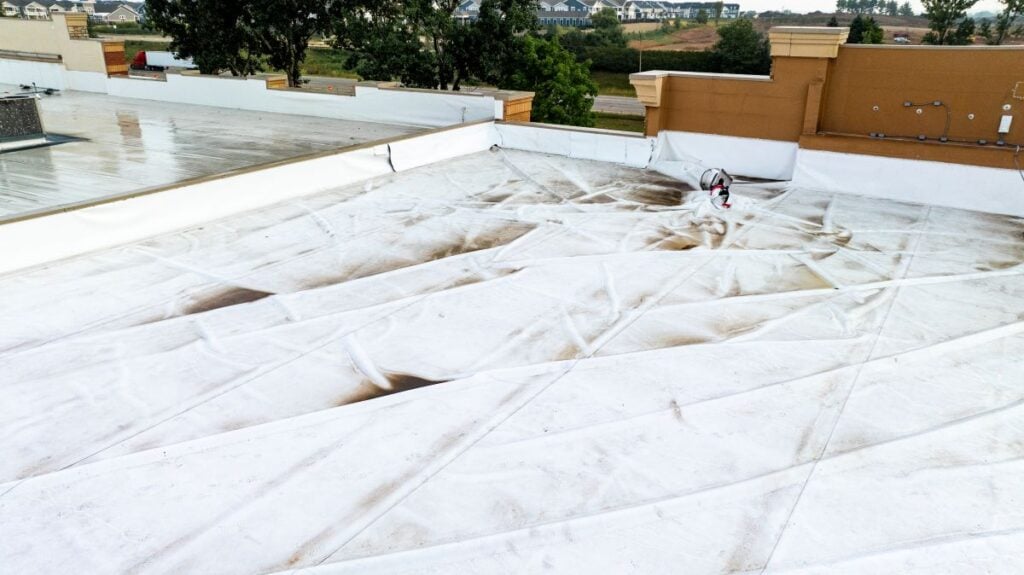
The roof membrane is the first line of defense against water, wind, and weather damage. A thorough inspection of the membrane surface helps identify wear, punctures, blistering, and other signs of deterioration that can lead to leaks. Inspectors should look closely at high-traffic areas, equipment penetrations, and edges where damage is most likely to appear. Catching membrane issues early is one of the most important steps in protecting a commercial roof.
- Surface punctures: Look for holes, tears, or cuts in the membrane.
- Blistering or bubbling: Identify raised areas that signal trapped moisture or adhesion failure.
- Cracks or splits: Check for membrane cracking, especially around seams and penetrations.
2. Check All Seams and Flashings
Seams and flashings are the most vulnerable parts of any commercial roofing system. Even high-quality membranes can develop leaks if seams begin to lift or flashings become damaged. A proper commercial roof inspection should include a detailed review of every seam, edge, and flashing point on the roof. This step is especially important on single-ply systems such as TPO, EPDM, and PVC, where seam integrity is critical to long-term performance.
- Seam separation: Look for lifted, open, or weakened seams across the membrane.
- Flashing condition: Inspect metal and membrane flashings around penetrations and edges.
- Sealant integrity: Check for cracked, missing, or deteriorated sealants.
3. Evaluate Roof Drainage
Proper drainage is one of the most important factors in long-term commercial roof performance. Ponding water, clogged drains, and slow-moving runoff can all shorten the life of a roofing system and lead to expensive damage. A full commercial roof inspection should include a review of every drainage element, including drains, gutters, downspouts, and scuppers. Clear, well-functioning drainage protects the membrane and prevents water from sitting on the roof.
- Roof drains: Confirm that drains are clear, secure, and properly draining.
- Gutters and downspouts: Check for clogs, sagging, or detached sections.
- Ponding water: Identify low spots where water collects after rain or snowmelt.
4. Inspect Rooftop Equipment and Penetrations
Rooftop equipment and penetrations create some of the most common opportunities for leaks. HVAC units, exhaust fans, skylights, pipes, and vents all require careful attention during a commercial roof inspection. Each penetration should be checked for proper flashing, intact seals, and stable support. Damaged or aging equipment can transfer stress to the surrounding roof, which is why this part of the inspection checklist is so important.
- HVAC units: Inspect seals, curbs, and flashing around heating and cooling equipment.
- Pipes and vents: Check boots, collars, and flashing for cracks or wear.
- Skylights: Review seals and flashing for any signs of water infiltration.
5. Review Roof Insulation Performance
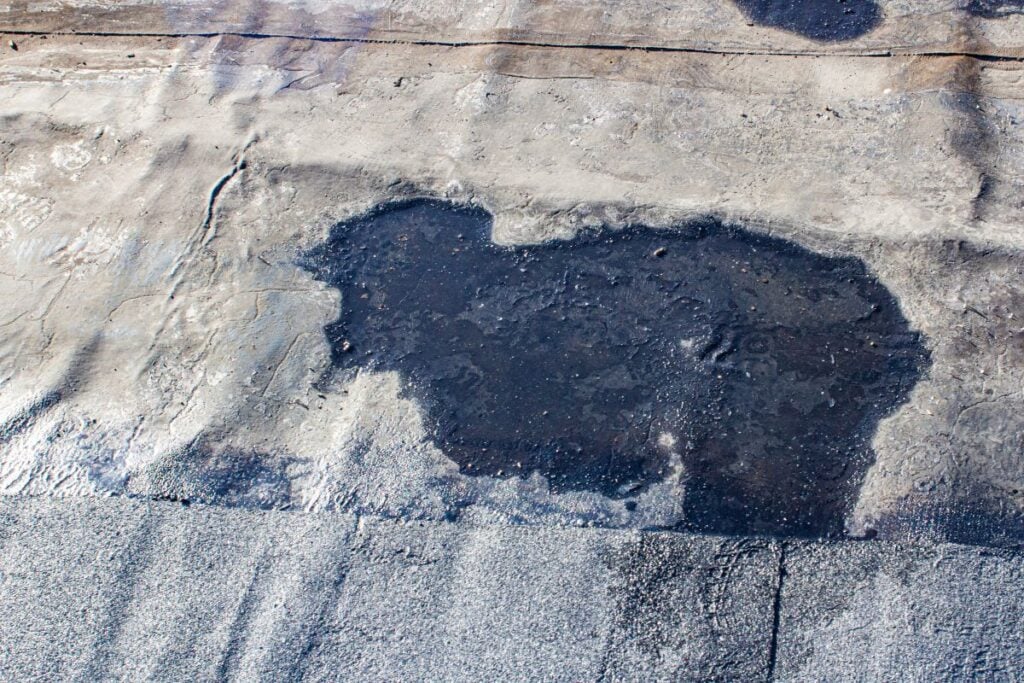
Roof insulation plays a major role in energy efficiency and overall building comfort. While insulation cannot always be inspected directly, signs of insulation problems often appear on the roof surface or inside the building. A complete commercial roof inspection checklist should include indicators of insulation issues such as uneven surface temperatures, wet spots, or sagging areas. Addressing insulation problems early helps maintain energy efficiency and prevents damage to the deck below.
- Wet insulation signs: Look for soft spots, staining, or sagging on the roof surface.
- Uneven temperatures: Identify hot or cold spots that suggest insulation failure.
- Interior signs: Watch for moisture stains or condensation inside the building.
6. Look for Signs of Storm or Wind Damage
Storm damage is a frequent cause of commercial roof problems, especially in regions that experience hail, high winds, or heavy snow. After any major weather event, a focused inspection should be performed to identify damage that may not be immediately visible. Hail can bruise membranes, wind can lift edges and flashings, and debris can puncture the surface. Including this category in your commercial roof inspection checklist helps protect your insurance claims and maintenance budget.
- Hail damage: Look for bruises, fractures, or puncture marks on the membrane.
- Wind damage: Check for lifted edges, displaced ballast, or torn flashings.
- Debris impact: Identify damage caused by tree branches, signage, or other debris.
7. Examine Interior Signs of Roof Issues
A complete commercial roof inspection includes a review of interior spaces as well as the roof itself. Many roof problems first appear inside the building as water stains, peeling paint, or musty odors. Tracking these signs and connecting them to the corresponding rooftop areas can help identify hidden issues. Property owners and building managers should encourage staff to report interior signs promptly so they can be added to the next inspection report.
- Ceiling stains: Document water stains, discoloration, or damp spots on ceilings.
- Peeling paint or drywall: Note areas where finishes are deteriorating from moisture.
- Musty odors: Track persistent odors that may indicate hidden moisture problems.
8. Document and Photograph Every Finding
Documentation is the final and one of the most important parts of any commercial roof inspection checklist. A clear written and photographic record of every inspection creates a long-term history of the roof’s condition and supports warranty, insurance, and repair planning. Property owners should make sure every inspection includes detailed notes, photos, and a recommended action plan. Strong documentation transforms a routine inspection into a powerful long-term planning tool.
- Written reports: Maintain detailed reports after every commercial roof inspection.
- Photo records: Capture clear photos of any damage, wear, or potential concerns.
- Action plans: Include recommended repairs, timelines, and priorities in every report.
Common Mistakes to Avoid During a Commercial Roof Inspection
Even with a strong checklist, certain mistakes can reduce the effectiveness of a commercial roof inspection. Awareness of these common errors helps property owners get more value from every inspection and maintain a higher-performing roof.
Relying on Untrained Personnel
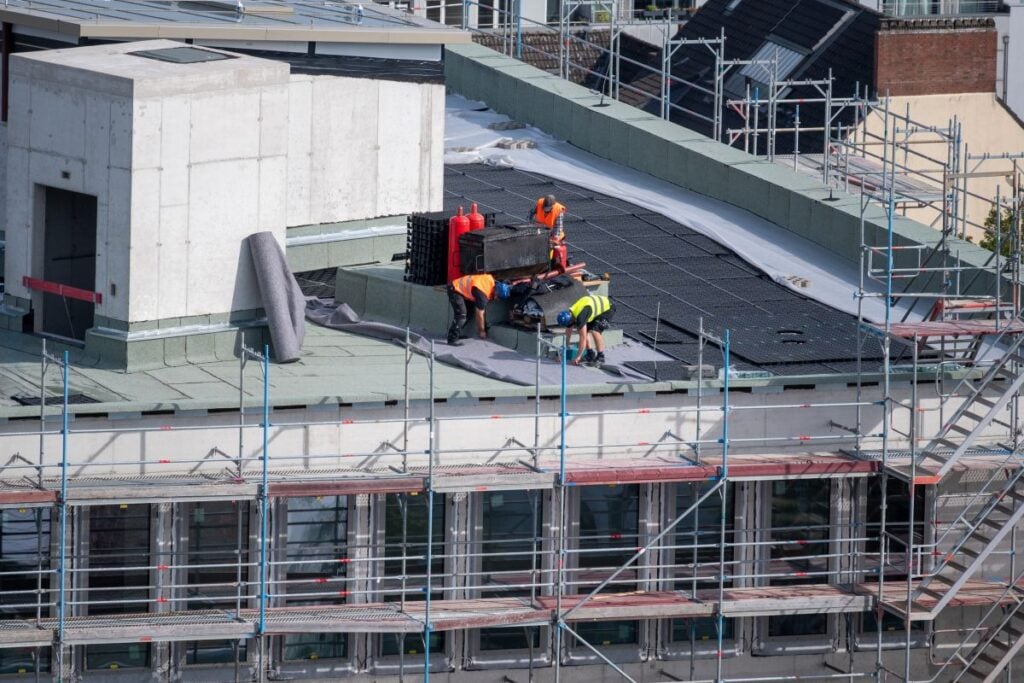
One of the most common mistakes in commercial roof inspections is relying on untrained staff to perform what should be a professional evaluation. Maintenance personnel may catch obvious issues, but they are unlikely to identify the subtle warning signs that an experienced commercial roofing contractor can spot. Trained inspectors understand each commercial roofing system, its failure points, and the proper documentation required. Working with a qualified contractor ensures that every inspection is thorough, accurate, and useful for long-term planning.
- Limited expertise: Untrained staff often miss subtle warning signs.
- Missed warranty issues: Improper inspections can compromise warranty coverage.
- Incomplete documentation: Professional reports support insurance and planning needs.
Skipping Storm-Related Inspections
Another common mistake is failing to perform inspections after major storms. Hail, wind, and heavy snow can cause damage that is not immediately visible from the ground, but the impact on the roof can be significant. Skipping post-storm inspections often leads to delayed insurance claims, hidden leaks, and accelerated wear on the roofing system. Property owners in Minnesota and Wisconsin should make storm inspections a standard part of their commercial roof care plan.
- Hidden damage: Storm damage is often invisible from the ground.
- Insurance timing: Many policies require prompt documentation after storms.
- Accelerated wear: Untreated storm damage shortens roof lifespan.
Protect Your Property With a Smart Commercial Roof Inspection Plan
A strong commercial roof inspection checklist is one of the most powerful tools a property owner can use to protect their building. From reviewing the membrane and seams to checking drainage, rooftop equipment, and interior signs, each step plays an important role in keeping your commercial roof in peak condition. The right inspection plan paired with the right contractor delivers years of reliable performance and helps you plan ahead for repairs and replacement.
At Classic Construction, we specialize in detailed commercial roof inspections, maintenance, and repairs across Minnesota and Wisconsin. Our team brings deep experience with every major commercial roofing system, expert craftsmanship, and a proactive approach that protects your investment for the long term. If you are ready to put a strong commercial roof inspection plan in place, contact Classic Construction today to schedule a free roof inspection and get a clear, professional assessment of your property.


