

Choosing the right shingle type affects everything from your roof’s appearance to how long it lasts and how much you pay during a roof replacement. Understanding architectural shingles vs 3 tab options, sometimes called dimensional or laminated shingles versus traditional single layer shingles, helps homeowners make a confident decision rather than guessing based on price alone. Working through these differences alongside a team that specializes in upscale homes makes it much easier to choose the right roofing material for your home and budget.
Here’s a snapshot of what this comparison covers:
- The core differences between architectural and 3 tab shingles
- Four key factors that should shape your decision
- A deeper look at cost and long term value
- A side by side comparison to help you decide quickly
- Answers to common questions homeowners ask before choosing
Why This Choice Matters for Homeowners
Shingles are the most visible part of your roof, and the type you choose affects durability, curb appeal, and resale value for decades to come. Homeowners across Johnson Creek and surrounding areas often assume all asphalt shingles are essentially the same, only to discover significant differences once they compare warranties, wind ratings, and appearance side by side. Making an informed choice upfront prevents regret later, especially since a roof is not something most people replace often, and the wrong choice can be a costly mistake to correct down the road.
- Improves curb appeal: Architectural shingles create a dimensional, upscale look that boosts overall home appearance and suits a range of aesthetic preferences.
- Affects long term value: Higher quality shingles can improve resale value and buyer perception.
- Impacts durability: Superior durability and enhanced wind resistance help a roof withstand wind, hail, and general wear.
- Shapes your budget: Understanding the price difference upfront helps homeowners plan realistically for the project.
Taking the time to understand these differences before a project begins helps ensure the final result matches both your expectations and your budget. The breakdown below covers exactly what separates these two shingle types.
4 Key Differences Between Architectural and 3 Tab Shingles
Both shingle types serve the same basic purpose, but they differ in ways that affect appearance, performance, and cost. Understanding each of these four differences makes it much easier to have a productive conversation with a roofing contractor.
1. Appearance and Dimension
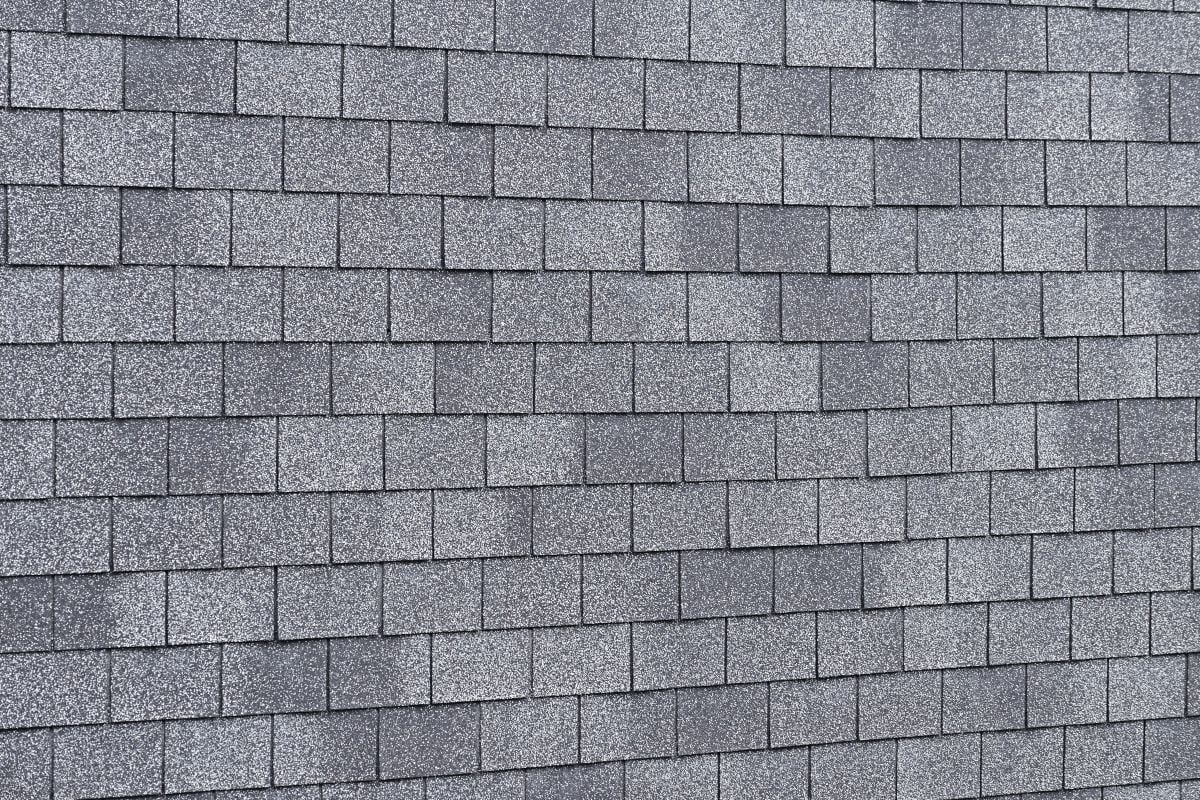
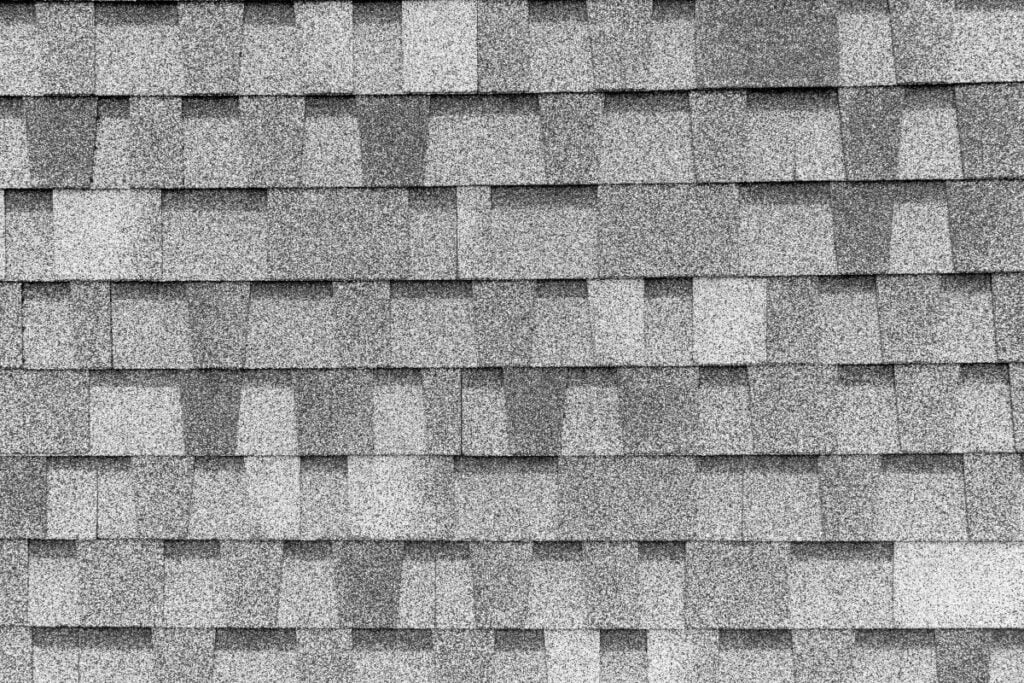
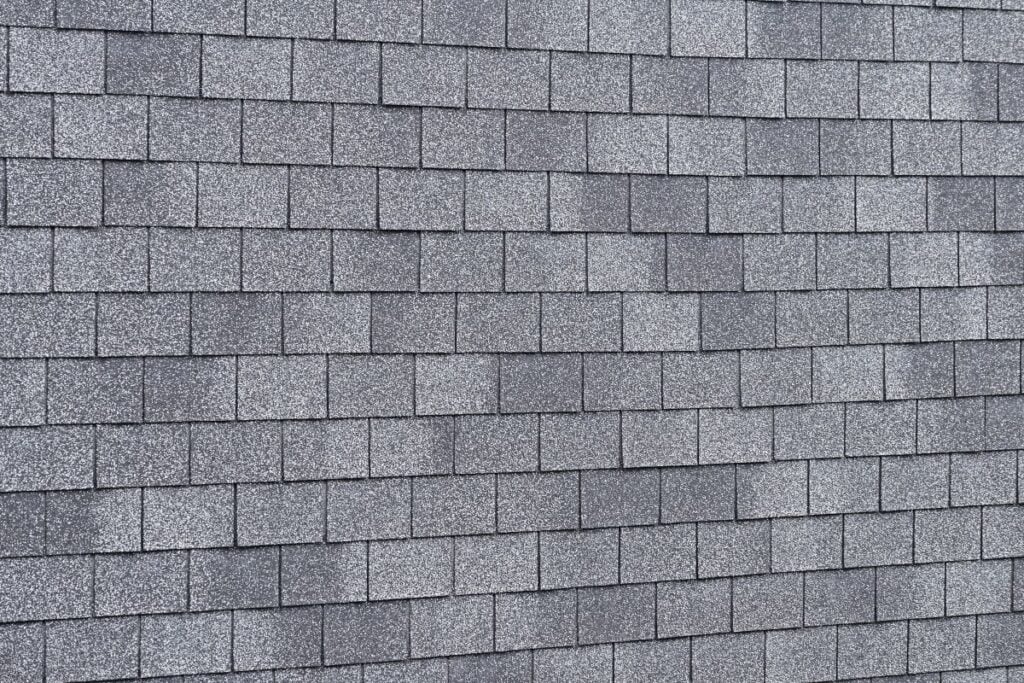
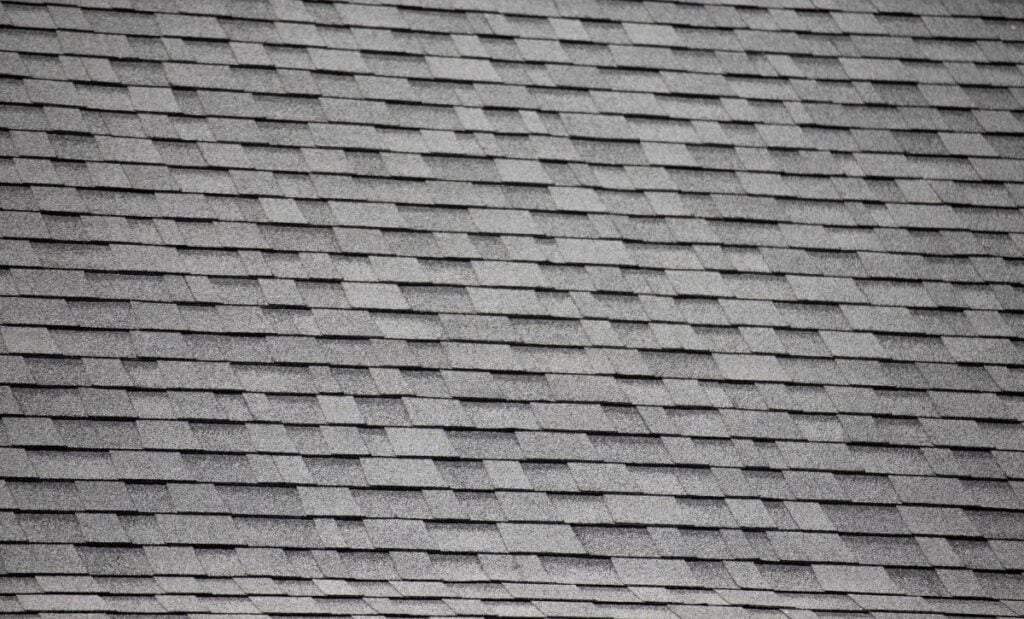
Architectural shingles, also called dimensional or laminated shingles, are built with multiple layers laminated together, creating a thicker, more textured, dimensional appearance that mimics the natural materials look of cedar shakes or slate. Three tab shingles use a single asphalt layer with a flat appearance, giving roofs a simpler, more traditional look that suits certain architectural styles better than others.
- Architectural shingles create shadow lines and visual depth through their layered design
- Three tab shingles offer a flat, consistent pattern across the roof
- Homeowners often choose based on which look better complements their home’s overall style
2. Durability and Wind Resistance
The multi layer construction of architectural shingles, with asphalt fused together and secured with strong adhesive strips, makes them heavier and more resistant to wind and impact during severe weather conditions. Three tab shingles use a single shingle strip with simpler nailing patterns, making them lighter but rated for lower wind speeds before lifting becomes a concern in harsh weather.
- Architectural shingles often carry wind ratings up to 130 mph or higher and typically weigh 250 to 400 pounds per square
- Three tab shingles typically top out around 60 to 70 mph wind ratings and weigh 200 to 250 pounds per square
- Both shingle types require a minimum roof slope of 4:12, and a sound roof structure and roof deck matter for either option
3. Lifespan and Warranty Coverage
Architectural shingles generally offer a longer lifespan than 3 tab shingles, which have a shorter lifespan due to their thinner construction. Some architectural products can last over 50 years in favorable conditions, with better moisture resistance and less curling and cracking through freeze thaw cycles common in this region. Manufacturers typically back this long term performance with longer warranty terms, though improper installation can void those warranties, so professional installation matters.
- Architectural shingles often carry warranties of 30 years or more
- Three tab shingles usually come with warranties closer to 20 to 25 years
4. Cost Per Square
Three tab shingles are generally the more budget friendly option upfront, typically costing $25 to $30 per bundle and easier to install due to their uniform size. Architectural shingles cost more initially, usually $35 to $45 per bundle or 40 to 50 percent more upfront, but often deliver better long term value given their extended lifespan, with some homeowners seeing a 60 to 70 percent return on investment at resale.
- Three tab shingles typically cost less per square than architectural options
- Architectural shingles may cost more upfront but reduce replacement frequency and long term replacement costs over time
Weighing these four differences together, rather than focusing on price alone, gives homeowners a much clearer picture of which option actually fits their needs. The right choice often depends on how long you plan to stay in the home, how much visual impact matters to you, and local climate conditions, since choosing well upfront generally means fewer repairs down the road.
A Closer Look at Cost and Long Term Value
Price is often the deciding factor for many homeowners, but understanding the full cost picture requires looking beyond the sticker price of the shingles themselves. A slightly higher upfront cost can translate into meaningful savings over the life of the roof.
- Material cost difference. Architectural shingles typically cost 20 to 30 percent more per square than 3 tab shingles, depending on the manufacturer and style chosen.
- Installation labor. Labor costs are often similar between the two, though architectural shingles can take slightly longer to install due to their added weight and layering.
- Replacement frequency. Since architectural shingles last longer, homeowners may avoid one full replacement cycle over the span of several decades, offsetting the higher initial cost.
- Insurance and resale considerations. Some insurance providers offer better rates for impact resistant architectural shingles, and buyers often view them as a premium feature during resale.
- Property type considerations. For a rental property or short term hold, the lower upfront cost of 3 tab shingles can be a more cost effective roofing solution, while owner occupied homes often benefit more from architectural shingles.
Looking at the numbers over a fifteen or twenty year window often shifts the value equation in favor of architectural shingles, even though the upfront investment is higher. Homeowners planning to stay in their home long term tend to benefit the most from this calculation, while those planning a shorter stay may find the lower upfront cost of 3 tab shingles more practical.
Architectural Shingles Versus 3 Tab Shingles at a Glance
Sometimes a side by side comparison makes a decision easier than reading through detailed explanations. The table below summarizes the core differences covered throughout this guide.
| Feature | Architectural Shingles | 3 Tab Shingles |
| Appearance | Dimensional, textured look | Flat, uniform pattern |
| Wind rating | Up to 130 mph or higher | Around 60 to 70 mph |
| Weight per square | 250 to 400 pounds | 200 to 250 pounds |
| Price per bundle | $35 to $45 | $25 to $30 |
| Typical warranty | 30 years or more | 20 to 25 years |
| Upfront cost | Higher per square | Lower per square |
| Best suited for | Long term homeowners, resale value | Budget conscious, shorter term projects |
This comparison is meant as a general guideline rather than an exact quote, since specific products and manufacturers vary. Homeowners across Johnson Creek and surrounding areas dealing with harsh winters and strong seasonal winds often lean toward architectural shingles for the added durability, though 3 tab shingles remain a practical option for certain budgets and situations.
Frequently Asked Questions About Architectural Shingles vs 3 Tab
Homeowners comparing these two shingle types often ask similar questions before making a final decision. Here are answers to some of the most common ones.
Are architectural shingles worth the extra cost?
For most homeowners planning to stay in their home for many years, the added durability and longer warranty period make architectural shingles a worthwhile investment.
Can 3 tab shingles still be a good choice today?
Yes, 3 tab shingles remain a reasonable option for homeowners on a tighter budget or those planning to sell in the near future, since they still provide reliable basic protection.
Do architectural shingles increase home value?
Many buyers view architectural shingles as a premium feature, which can positively influence resale value and buyer perception compared to a roof with 3 tab shingles.
How long do each of these shingle types typically last?
Architectural shingles generally last 30 years or more, while 3 tab shingles typically last closer to 20 to 25 years under normal conditions.
Can I mix architectural and 3 tab shingles on the same roof?
This is generally not recommended, since the two products differ in thickness and appearance, which can create an inconsistent look and complicate future repairs.
Which option holds up better in severe weather?
Architectural shingles generally perform better in high winds, hail, and heavy storms thanks to their added thickness and higher wind ratings, making them a common choice in severe weather regions.
Are architectural shingles harder to install?
They are somewhat heavier and require more careful handling, but experienced roofing contractors handle the multi layer construction efficiently. 3-tab shingles are easier to install due to their uniform size, which can slightly reduce labor costs.
Do architectural shingles make sense in mild climates?
Yes, though the durability advantage is most noticeable during severe storms; in mild climates 3 tab shingles may still offer adequate weather resistance at a lower cost.
If you are still weighing which option fits your project best, a professional consultation can help clarify the right choice for your home.
Choose the Right Shingle for Your Home
Deciding between architectural shingles and 3 tab shingles comes down to balancing upfront cost against long term durability and appearance. Both options have their place, but understanding the tradeoffs ensures you make a choice that fits your home, your climate, and your plans for the years ahead.
Classic Construction has helped homeowners across Johnson Creek and surrounding areas choose the right shingle type for their home, budget, and long term goals, and our team will often recommend architectural shingles for a new roof when budget allows. Whether you are leaning toward the upscale look of architectural shingles or the practical value of 3 tab shingles, having an experienced team guide the decision makes the process easier.
If you are ready to compare options for your next roofing project, contact us today to schedule a consultation and get personalized recommendations.


