

Most roofs do not fail overnight. They send subtle signals for months, sometimes years, before a full replacement becomes unavoidable. Knowing the warning signs you need a new roof helps homeowners act before a small issue turns into water damage, mold, or a much larger repair bill, and a professional roof inspection can confirm what a roof inspector sees from the ground. Pairing that knowledge with a team that specializes in upscale homes makes it easier to know when it is time for an inspection.
Here’s a quick look at what this post covers:
- The clearest signs that point toward a full roof replacement
- Nine specific red flags to check for around your home
- How roof age and material type factor into the decision
- A side by side comparison of repair versus replacement scenarios
- Answers to common questions about replacing an aging roof
Why Recognizing These Signs Matters
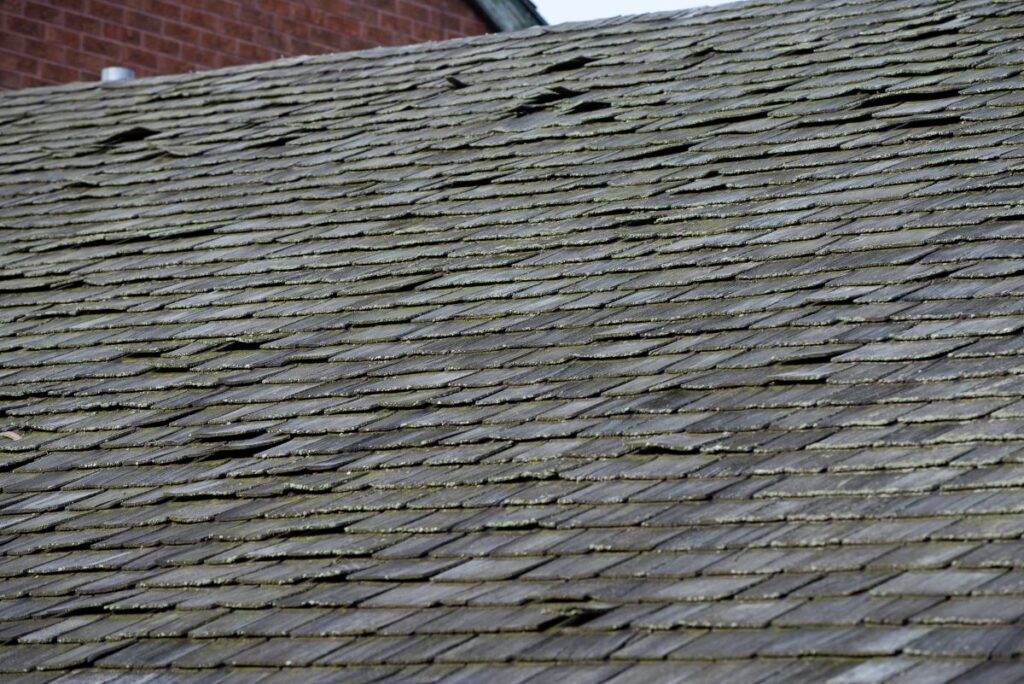
Ignoring the early signs of roof failure rarely makes the problem go away, it simply gives water and structural damage more time to spread. A roof in poor condition can compromise everything beneath it, from insulation and drywall to the framing that holds your home together. Homeowners across Eau Claire and surrounding areas who catch these warning signs early typically spend far less than those who wait until a major leak forces the issue.
- Prevents interior damage: Catching roof failure early helps prevent roof leaks that damage ceilings, walls, and belongings.
- Avoids emergency costs: Planned replacements are almost always less expensive than emergency repairs after a failure.
- Protects your home’s value: A roof in poor condition can significantly lower a home’s resale value and appeal to buyers.
- Improves energy efficiency: A deteriorating roof often allows air leaks that force your hvac system to work harder and drive up heating and cooling costs.
Recognizing these signs early gives you time to plan the project on your own schedule rather than scrambling after an emergency. The list below breaks down exactly what to look for.
9 Warning Signs Your Roof Needs Replacing
Some warning signs are obvious from the ground, while others require a closer look from the attic or rooftop. The following nine signs represent the most common indicators that a roof has reached the end of its useful life.
1. Shingles Are Curling or Cupping
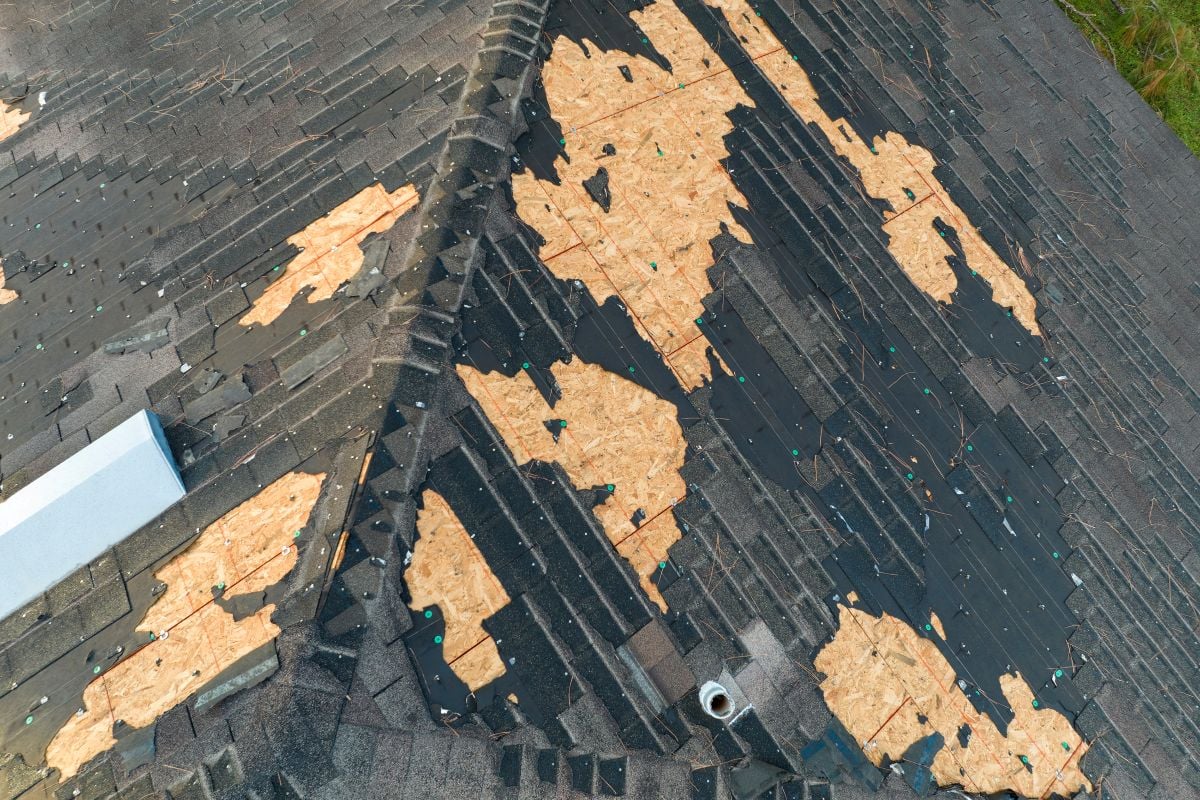
When shingles begin curling at the edges or cupping in the middle, it usually means they have lost the flexibility needed to shed water properly. Curling shingles are often one of the earliest visible signs of an aging roof, and a few damaged shingles today can quickly become missing shingles after the next major storm.
- Check for edges lifting away from the roof surface
- Look for a wavy or uneven appearance across large sections
2. Granules Are Collecting in the Gutters
Most asphalt shingle roofs are coated with granules that protect against UV rays and weather. As roof shingles age, these granules loosen and wash into the gutters, leaving the shingle surface exposed and vulnerable.
- Check gutters and downspouts for accumulated granules
- Look for bald or shiny patches on the shingle surface itself
3. Daylight Is Visible Through the Roof Boards
If you can see daylight coming through the attic ceiling, that gap is also letting in water, pests, and outside air, and it often leads to water intrusion and musty smells in the attic. This is one of the more urgent warning signs, since it points to a compromised roof deck.
- Inspect the attic during daylight hours with the lights off
- Note the size and location of any visible gaps
4. The Roof Is Sagging
A sagging roof often signals structural problems with the decking or support structure underneath, rather than a simple surface issue. This sign needs immediate attention, since it can point to a safety concern.
- Look for dips or sagging areas when viewing the roof from the street
- Check the attic for sagging rafters or water stained wood
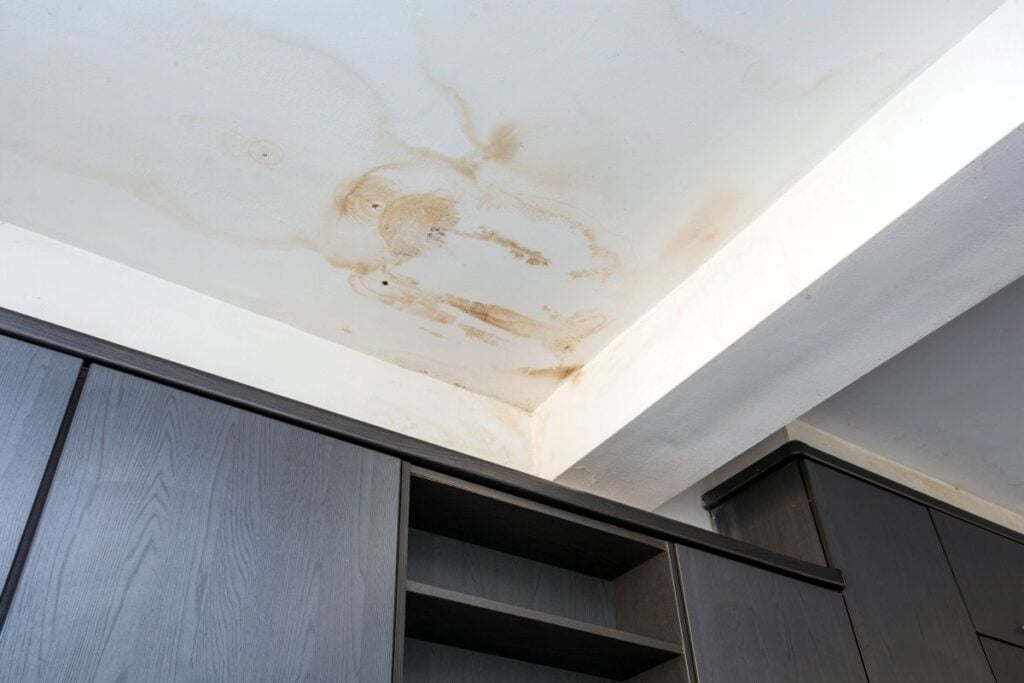
5. Water Stains on Ceilings or Walls
Water stains rarely appear directly below the source of a leak, since water often travels along rafters before dripping. Recurring stains, even small ones, are a strong sign of active leaks rather than a one time event.
- Track whether stains grow larger or reappear after heavy rain
- Check attic insulation near any stained areas for damp insulation
6. Moss or Algae Growth
While a small amount of algae is often just normal wear and cosmetic, heavy moss growth can trap moisture against the shingles and accelerate deterioration underneath. This is especially common on roofs that receive limited direct sunlight.
- Look for dark streaks or green patches across shaded areas
- Check whether moss has begun lifting shingle edges
7. Flashing Is Damaged or Missing
Damaged flashing around chimneys, vents, and skylights is one of the most common failure points on an aging roof. Once it cracks, rusts, or separates, water has a direct path into the home.
- Inspect flashing seams for gaps or visible rust
- Watch for leaks specifically near chimneys or roof penetrations
8. Your Roof Has Reached the End of Its Lifespan
Every roofing material has an expected lifespan, and once an older roof approaches or exceeds that window, the risk of failure increases significantly even without obvious damage. Age alone is often reason enough to replace a roof rather than continuing to schedule repairs.
- Track your roof’s installation date if it is available
- Compare your roof’s age to the expected lifespan of its material
9. Rising Energy Bills Without Explanation
An unexplained increase in heating or cooling costs can sometimes be traced back to a failing roof rather than an inefficient furnace or air conditioner. Compromised insulation and air leaks often develop together as a roof deteriorates.
- Compare recent energy bills to the same months in prior years
- Have your attic insulation checked alongside the roof itself
Spotting even one or two of these common signs is worth a closer look, but several appearing together across multiple areas is a strong signal that replacement should move up your priority list. Catching problems early through a professional assessment can confirm exactly where your roof stands.
Understanding Roof Age and Material Lifespan
Knowing how long different roofing materials typically last helps put your own roof’s condition into perspective. Age alone does not guarantee failure, but it does make every other warning sign more significant.
- Asphalt shingles generally last between 20 and 25 years, making them the most common material homeowners eventually need to replace.
- Metal roofing can last 40 to 70 years depending on the specific material and installation quality, offering a much longer lifespan than traditional shingles.
- Wood shake roofing typically lasts 25 to 30 years but requires more frequent maintenance to reach that range.
- Slate and tile roofing can last well beyond 50 years, though the underlying structure and flashing often need attention before the material itself fails.
Homeowners throughout Eau Claire and surrounding areas dealing with harsh winters and heavy snow loads often find that materials wear faster than the general averages suggest. Regular maintenance and factoring in local climate conditions alongside material lifespan gives a more cost effective, realistic picture of when replacement should happen.
Repair Versus Replacement: How to Decide
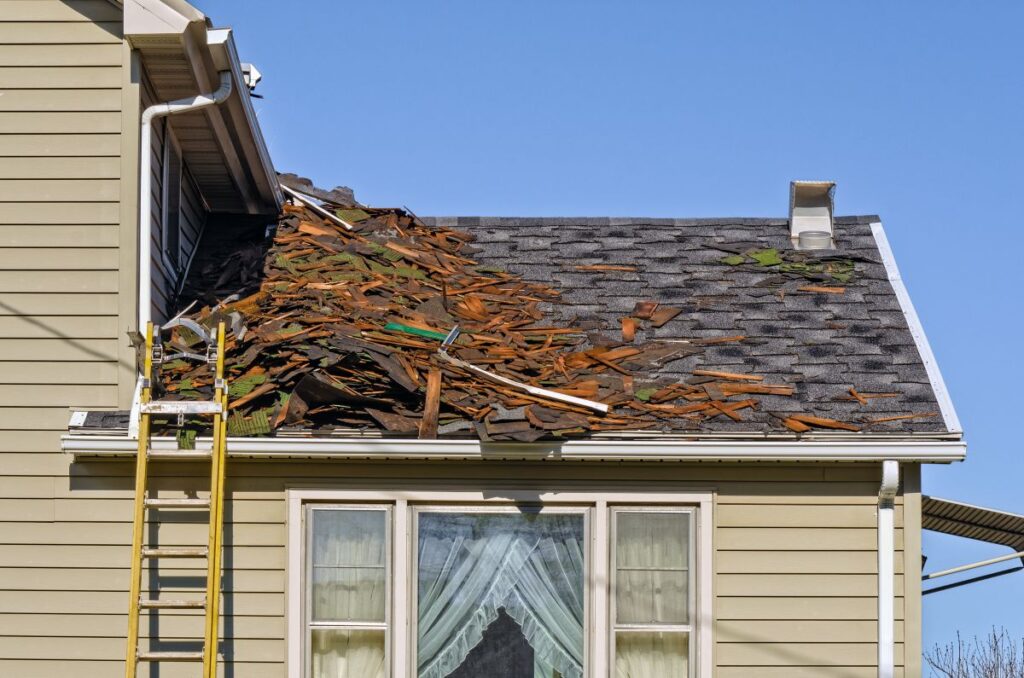
Not every warning sign automatically means a full roof replacement is necessary, and understanding the difference can save homeowners unnecessary expense. A roofing contractor can help sort out whether damage from a major storm calls for a patch or a full project, and the comparison below outlines general guidelines to help frame that decision.
| Situation | Likely Solution |
| Isolated leak or damaged section, roof under 15 years old | Targeted repair |
| Multiple warning signs present, roof 20+ years old | Full replacement |
| Minor flashing or vent issue | Quick repair |
| Widespread curling, cupping, or granule loss | Replacement recommended |
| Recent storm damage with insurance claim | Depends on inspection and adjuster findings |
The number of previous repairs also matters here, since a roof that has already been patched multiple times often signals deeper problems throughout the roofing system. A roofing professional can also confirm whether the damage stems from a covered peril worth an insurance claim, and in many cases, continuing to repair an aging roof ends up costing more over time than moving forward with a planned replacement.
Frequently Asked Questions About Roof Replacement Signs
Homeowners often have similar questions once they start noticing potential warning signs. Here are answers to some of the most common ones.
How do I know if it’s a repair or a full replacement?
An isolated issue on an otherwise healthy roof usually points to a repair, while widespread wear, multiple warning signs, or underlying damage occurring together typically indicate replacement is the better long term choice.
Can I wait a season before replacing my roof?
Sometimes, but waiting carries risk, since existing damage tends to worsen with continued weather exposure. A professional inspection can help you understand how much time you realistically have.
Does homeowner’s insurance cover a full roof replacement?
Coverage usually depends on the cause. Storm or wind damage is often enough to cover roof replacement, while replacement due to age or general wear typically is not.
How long does a full roof replacement take?
Most residential roof replacements take one to three days, depending on roof size and weather conditions during installation.
What happens if I ignore these warning signs?
Ignoring warning signs typically allows water damage, mold, and structural issues to develop, which can turn a moderate repair into a far more expensive replacement project.
What can I do to extend my roof’s life in the meantime?
Most homeowners can save money simply by trimming overhanging tree branches, cleaning gutters regularly, and scheduling routine maintenance, since many homeowners find these small habits prevent expensive repairs down the road.
If you are still unsure which category your roof falls into, a professional evaluation is the most reliable way to get a clear answer.
Protect Your Home With a Timely Replacement
Recognizing the warning signs of an aging roof early gives you control over the timeline, the budget, and the outcome of your project. Waiting until a small issue becomes an emergency almost always costs more in the long run, and keeping your roof in good shape helps keep the rest of your home protected.
Classic Construction has helped homeowners across Eau Claire and surrounding areas identify these warning signs and plan roof replacements that fit their timeline and budget, drawing on hands on experience with every roof type and age. Whether you are noticing one early sign or several at once, an experienced team takes the guesswork out of the decision.
If any of these warning signs sound familiar, contact us today to schedule a professional roof evaluation.


