

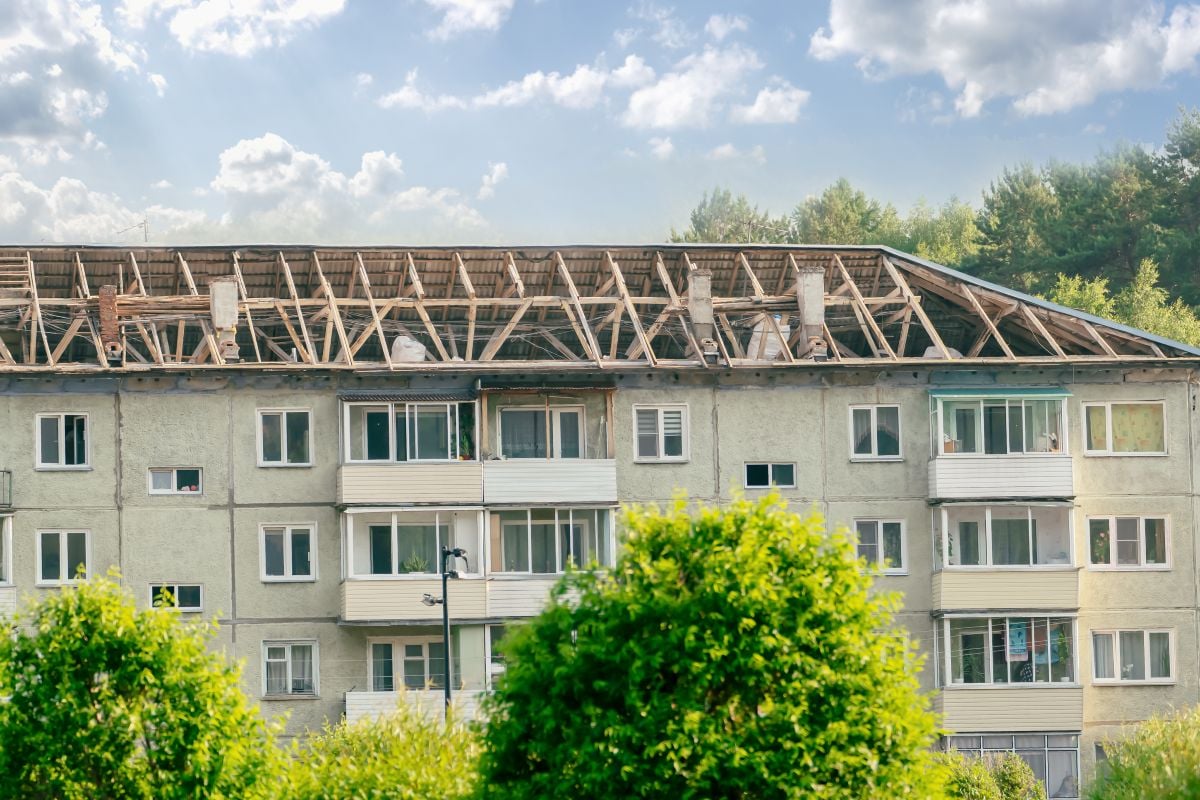
Replacing the roof on an apartment complex is one of the largest capital projects a property owner will ever take on. A well-planned multi family roof replacement protects every unit, keeps tenants comfortable, and prevents small leaks from turning into expensive water damage. The difference between a smooth project and a stressful one usually comes down to preparation, clear communication, and choosing the right system for your building. With the right plan in place, you can make an informed decision and start protecting your building and residents for decades to come.
Key takeaways from this guide:
- How a timely replacement protects your property and budget
- The seven steps of a successful project
- Warning signs that your roof is nearing the end of its life
- When to repair, recover, or fully replace
- Answers to common owner and manager questions
What a Timely Replacement Means for Your Property
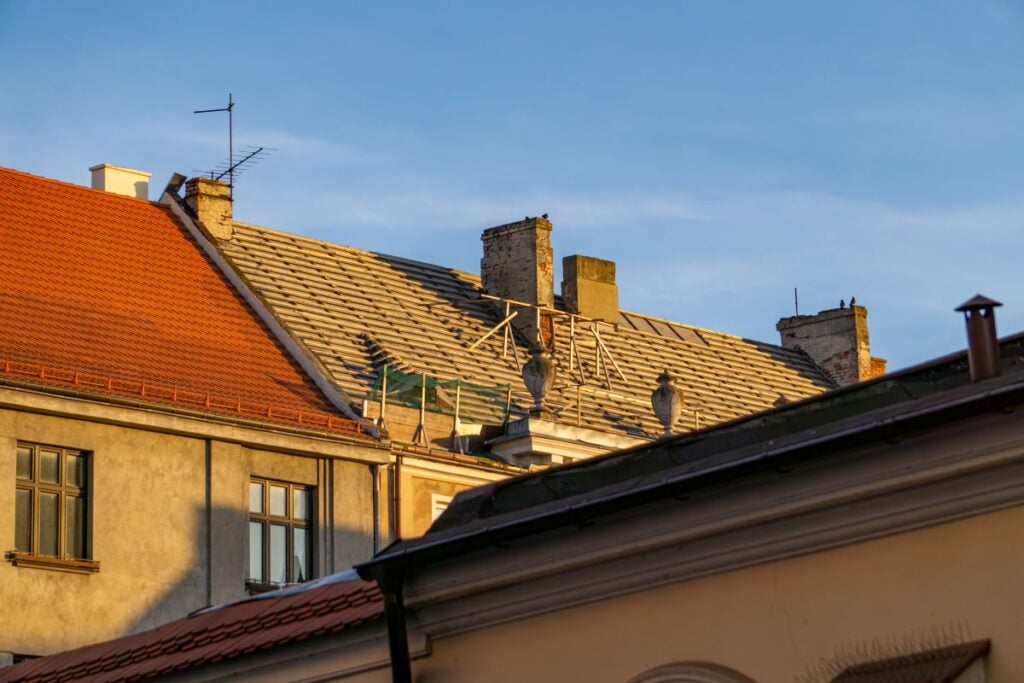
Waiting too long to replace an aging roof rarely saves money on multi unit properties. Once the membrane or shingles begin to fail, water can spread through insulation, framing, and ceilings across several units before anyone notices a problem. Replacing the roof at the right time turns an unpredictable emergency into a planned investment you can budget for.
A timely project delivers value in several ways:
- Predictable budgeting: Planning ahead lets you build capital reserves, explore financing options, gather competitive bids, and schedule work during the best season instead of paying premium rates for emergency service.
- Happier tenants: Residents who never deal with drips, water spots, or musty smells are more likely to renew their leases, which protects your occupancy rate.
- Lower energy use: New insulation and reflective roofing materials can reduce heating and cooling costs throughout the entire building.
- Stronger resale and refinancing position: Lenders, appraisers, and buyers view a newer, warrantied roof as a major asset rather than a looming liability.
Cost is naturally one of the first questions owners ask, and reviewing typical roof replacement pricing is a helpful way to set realistic expectations before requesting quotes. Keep in mind that multi-family buildings bring unique challenges, including larger surface areas, more rooftop equipment, and stricter code requirements than a single-family house. Pricing is usually calculated per square foot, so roof size, building height, and site access all affect the final number. For property owners in Rochester and surrounding areas, long winters and frequent freeze-thaw cycles also put extra stress on aging roofs, making proactive planning even more valuable.
7 Steps in a Successful Multi Family Roof Replacement
Every building is unique, but most successful projects follow a similar path from first inspection to final walkthrough. Understanding each step helps you know what to expect and what questions to ask along the way.
1. Schedule a Professional Roof Assessment
The roof replacement process starts with a thorough inspection of the roof surface, flashing, drainage, and decking. On low-slope roofs, a moisture scan can reveal wet insulation hidden beneath the membrane.
- Document existing damage with photos and notes
- Identify areas of ponding water or poor drainage
- Check the condition of rooftop equipment curbs and penetrations
- Look for rotted decking or signs of structural damage
2. Define Your Goals and Budget
Before selecting materials, decide what matters most for the property. Some owners prioritize the lowest upfront cost, while others focus on energy savings, longer warranties, or improved curb appeal. Clarifying these goals early keeps the rest of the project on track.
3. Choose the Right Roofing System
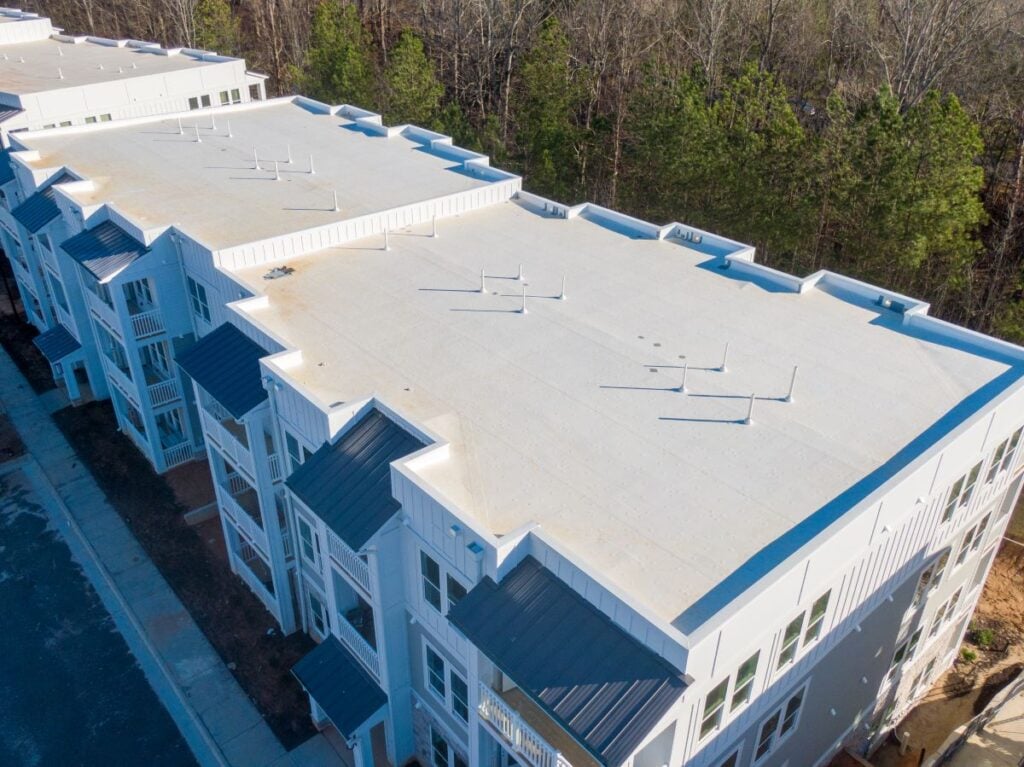
Flat and low-slope buildings typically use TPO, EPDM, PVC, or modified bitumen, while pitched roofs on townhomes and smaller complexes often use architectural shingles or metal. Your roofing contractor should explain how each durable option handles local weather conditions, foot traffic, and long-term maintenance.
- TPO is a popular choice for its reflective surface and heat-welded seams
- EPDM stays flexible in extreme cold
- Metal roofing offers exceptional longevity on pitched structures
4. Gather Bids and Review the Written Scope
Multi family projects often require formal bids and approval from owners, property managers, condo associations, or HOA boards. A detailed written scope ensures every bid covers the same work, making it easier to compare offers fairly and choose the right contractor.
- Confirm tear-off, disposal, and deck repair allowances
- Review manufacturer and workmanship warranty terms
- Verify licenses, insurance, and experience with large roofing projects
5. Secure Permits and Confirm Code Requirements
Apartment buildings are often held to commercial-grade standards, including stricter fire ratings, insulation requirements, and structural guidelines. A qualified contractor will handle permits and make sure the new system complies with local building codes.
6. Prepare Tenants and the Property
Clear resident communication makes a major difference. Send written notice with project dates, working hours, and parking changes, and provide a contact person for questions.
- Protect landscaping, walkways, and entrances on the ground
- Mark safety zones around work and staging areas
- Plan dumpster placement and material delivery on site in advance
7. Complete Installation and Final Inspection
Crews typically work in sections so the building stays watertight at the end of each day. Once installation is complete, a final walkthrough confirms that flashings, drains, and edge details meet the highest standards, the agreed scope, and warranty requirements.
Following these steps in order reduces surprises, keeps costs under control, and helps the project finish on schedule. It also gives you clear documentation of the work, which is valuable for future maintenance, insurance claims, and eventual resale.
Warning Signs Your Building Is Ready for a New Roof
Many roofs give clear signals long before major roofing failures occur. Recognizing these signs early gives you time to plan a replacement on your terms rather than reacting to an emergency during a storm.
Watch for these common indicators:
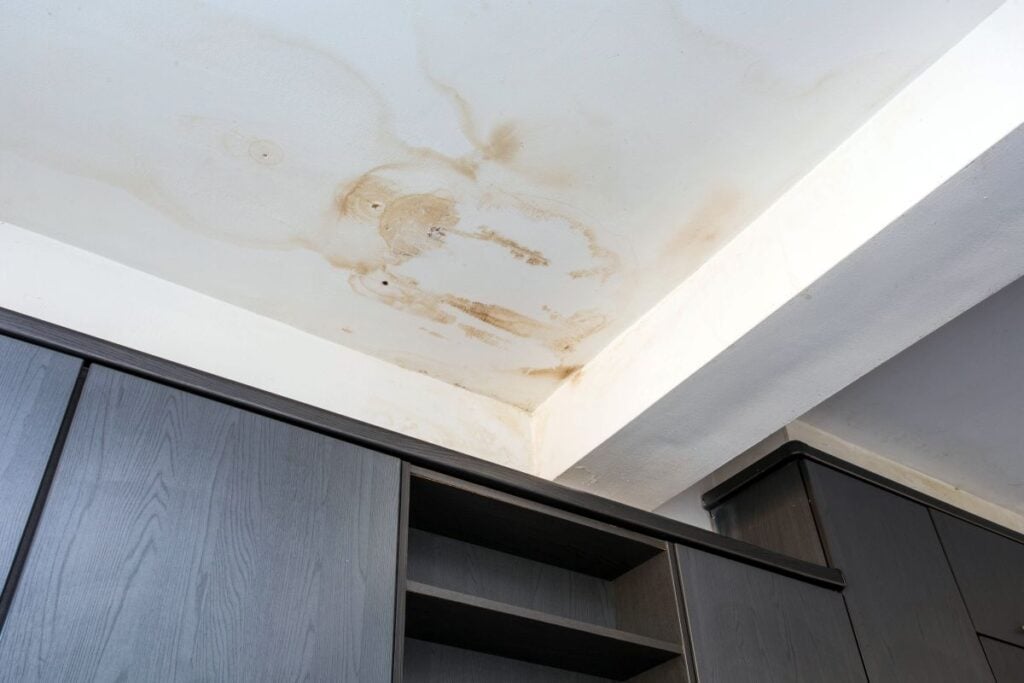
- Recurring leaks: If the same areas keep leaking after repairs, the underlying system is likely breaking down rather than suffering from isolated damage.
- Widespread membrane damage: Cracks, blisters, open seams, and shrinking membranes pulling away from edges often point to widespread deterioration and mean the roof has reached the end of its service life.
- Persistent ponding water: Water that stays on a low-slope roof for more than 48 hours after rain accelerates deterioration and signals drainage or structural issues.
- Missing or old shingles: On pitched buildings, missing shingles, granule loss, and curling tabs indicate the roof can no longer shed water effectively.
- Rising energy bills: Wet or compressed insulation loses its effectiveness, which can drive up heating and cooling costs across the building.
- Roof age: Most asphalt shingle roofs last 20 to 25 years, and many single-ply membranes last 20 to 30 years with proper care.
Severe weather can also speed up the timeline. Hail, high winds, and heavy snow loads common in Rochester and surrounding areas can cause storm damage that shortens a roof’s lifespan, so an inspection after any major weather event or visible damage is always a smart move.
Repair, Recover, or Replace: Choosing the Right Path
Not every roofing problem requires a full tear-off. Depending on the roof’s condition, targeted roof repairs or a roof recover may be the more cost-effective option, while other situations clearly call for complete replacement.
| Option | Best For | Typical Scope | Advantages | Limitations |
| Targeted repair | Isolated leaks or minor storm damage | Patching seams, flashing, or small sections | Lowest cost, fast turnaround | Does not extend overall roof life much |
| Roof recover | One existing layer with a dry, sound deck | New membrane installed over existing roof | Less tear-off, lower disposal cost | Not allowed if moisture or multiple layers exist |
| Full replacement | Aging, saturated, or widely damaged roofs | Complete tear-off down to the deck | Fresh warranty, chance to upgrade insulation | Highest upfront investment |
How to Decide
A moisture survey is one of the most useful tools for making this decision. If a significant portion of the insulation is wet, a recover will trap moisture and lead to early failure, making full replacement the better investment. The same is true when rotted decking or structural damage appears across large areas of the roof. Your contractor should also consider the building’s long-term plans, since an owner planning to hold the property for many years may benefit most from a complete replacement with upgraded insulation.
Choosing the right path saves money in both the short and long term. An honest roofing partner will explain the pros and cons of each option instead of pushing the most expensive solution by default.
Frequently Asked Questions About Multi Family Roof Replacement
Property owners and managers often share similar concerns as they plan a roofing project. Here are clear answers to some of the questions we hear most often.
How long does a multi family roof replacement take?
Timelines depend on square footage, roof complexity, and weather. A smaller building may take one to two weeks, while larger complexes completed in phases can take several weeks.
Can tenants stay in their units during the project?
Yes. Residents almost always remain in their homes during roofing work. Crews focus on safe entrances, controlled debris, and reasonable working hours to minimize disruption.
What is the best time of year to replace a roof?
Late spring through early fall usually offers the best conditions, especially for membrane systems that require moderate temperatures. In Rochester and surrounding areas, booking early helps secure a spot before the busy season.
Will insurance help pay for a new roof?
Insurance may cover replacement if the damage results from a sudden event such as hail or wind. Normal wear and age are typically not covered, so maintenance records and prompt inspections after storms are important. For planned replacements, many owners use capital reserves or financing to spread out the cost.
How can I extend the life of a new roof?
Schedule professional inspections twice a year, keep drains and gutters clear of debris, and repair small issues promptly. Limiting unnecessary foot traffic and protecting service paths also helps.
Every property has its own history, so these answers are a helpful starting point rather than a final recommendation. A professional assessment will give you guidance tailored to your specific building.
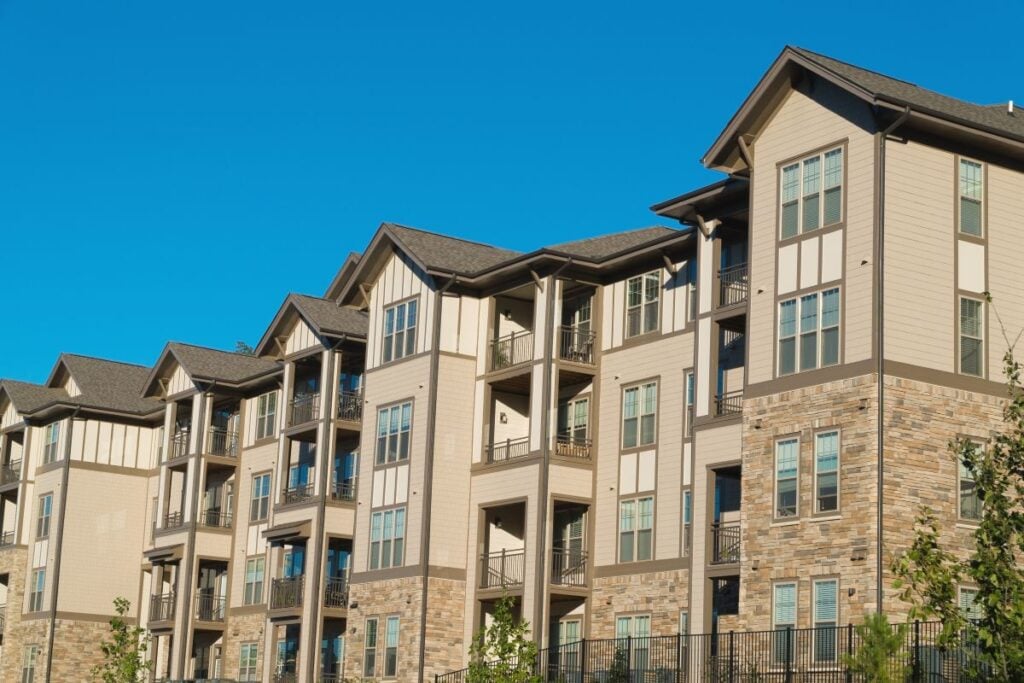
Plan Your Next Roof With Confidence
A new roof is a major investment, but it is also one of the most effective ways to protect your property, your tenants, and your long-term returns. With careful planning and the right materials, your building can enjoy decades of reliable performance. As a trusted roofing company, Classic Construction & Consulting helps property owners and managers of multifamily properties evaluate their options, prepare for every stage of the project, and complete replacements with clear communication and quality workmanship. If you own or manage multi family properties in Rochester and surrounding areas, contact us today to schedule an inspection and start planning your next project.


